
How The Subconscious Mind Influences Your Daily Life More Than You Realise

Have you ever reacted to something before consciously thinking about it? Or made a decision that “just felt right”? That’s your subconscious mind at work. It operates silently in the background, processing millions of signals, shaping your behaviour, and storing your core beliefs. According to psychologists and neuroscientists, your subconscious has far more influence over your life than you might realise. By learning how to recognise and align with this inner force, you can unlock deeper focus, emotional resilience, and personal growth. Here’s how your subconscious truly works—and how to start tapping into its remarkable potential.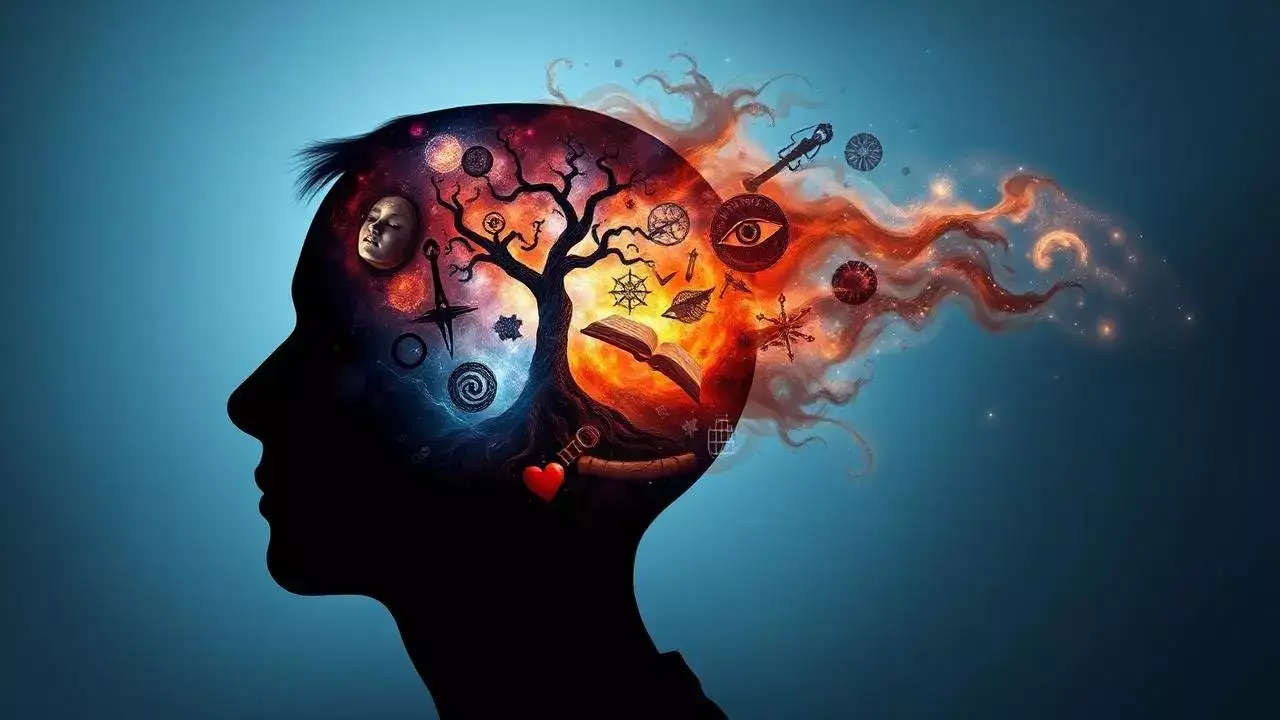
Experts explain that the subconscious governs up to 95% of your brain activity. This means most of your reactions, decisions, and patterns are driven by thoughts you aren’t even aware of in the moment.
Similarly, you might instinctively avoid certain opportunities or people based on deeply embedded emotional memories. This automatic filtering helps your brain handle information overload—but it also means that limiting beliefs can quietly steer your actions unless brought to light.
By recognising and processing these subconscious triggers, you can gain better emotional control. Techniques like journaling, therapy, or mindfulness can help uncover the root cause of these reactions and lead to greater self-awareness.
The same principle applies in reverse. By repeating positive affirmations and surrounding yourself with empowering influences, you can reshape long-standing beliefs and adopt a more confident, growth-oriented mindset. This is the foundation of practices like visualisation, self-hypnosis, and mindset coaching.
Many artists, inventors, and entrepreneurs credit their subconscious for moments of inspiration. Keeping a notebook by your bed to jot down morning insights is one way to capture this hidden creativity.
With regular practice, mindfulness allows you to:
Gain clarity on unresolved emotions
Develop greater self-compassion
Shift unhelpful beliefs into empowering ones
According to mental health professionals, even 10 minutes of daily mindfulness can lead to measurable emotional and cognitive improvements over time.
Your subconscious mind is a vast, quiet force that influences nearly every area of your life—from relationships and confidence to creativity and decision-making. Understanding how it works is the first step. Tapping into its powers with awareness, consistency, and intentional practices can lead to a deeper, more fulfilling life.
As experts often say, your mind is your most powerful tool. When you learn how to use all of it—not just the visible tip of the iceberg—you open the door to greater self-mastery and possibility.
What Is the Subconscious Mind?
The subconscious mind refers to the part of your mental activity that happens below the surface of conscious awareness. It stores memories, habits, learned behaviours, emotional responses, and deeply held beliefs. While the conscious mind is analytical and logical, the subconscious is intuitive, automatic, and often emotional.Experts explain that the subconscious governs up to 95% of your brain activity. This means most of your reactions, decisions, and patterns are driven by thoughts you aren’t even aware of in the moment.
How It Shapes Your Everyday Decisions
Your subconscious acts as a filter, shaping your experiences based on past conditioning. For example, if you grew up hearing that money is hard to earn, your subconscious may form a belief system that limits financial risk-taking or ambition.Similarly, you might instinctively avoid certain opportunities or people based on deeply embedded emotional memories. This automatic filtering helps your brain handle information overload—but it also means that limiting beliefs can quietly steer your actions unless brought to light.
Emotional Triggers and Automatic Responses
Have you ever had an outsized emotional reaction to a seemingly minor situation? That’s often the result of a subconscious trigger. Emotional memories stored beneath awareness can suddenly activate, making you feel anxious, defensive, or angry without fully understanding why.By recognising and processing these subconscious triggers, you can gain better emotional control. Techniques like journaling, therapy, or mindfulness can help uncover the root cause of these reactions and lead to greater self-awareness.
The Power of Repetition and Belief Formation
The subconscious mind learns through repetition. This is why repeated thoughts—positive or negative—eventually become beliefs. If you frequently think “I’m not good enough,” your subconscious accepts it as truth, even without evidence.The same principle applies in reverse. By repeating positive affirmations and surrounding yourself with empowering influences, you can reshape long-standing beliefs and adopt a more confident, growth-oriented mindset. This is the foundation of practices like visualisation, self-hypnosis, and mindset coaching.
Creativity and Problem Solving While You Sleep
Another fascinating aspect of the subconscious is how active it remains during rest. Ever woken up with a solution to a problem or a creative idea? That’s your subconscious processing information while your conscious mind sleeps.Many artists, inventors, and entrepreneurs credit their subconscious for moments of inspiration. Keeping a notebook by your bed to jot down morning insights is one way to capture this hidden creativity.
Tapping Into Subconscious Power Through Mindfulness
Mindfulness meditation is one of the most effective ways to access the subconscious. By quieting the constant chatter of your conscious thoughts, you create space to observe deeper mental patterns.With regular practice, mindfulness allows you to:
- Notice and interrupt negative thought loops
Reprogramming Through Intentional Practices
Just like a computer, your subconscious mind can be reprogrammed—but it takes time and consistent effort. Some widely used techniques include:- Positive affirmations repeated daily with intention
- Creative visualisation, imagining your ideal outcomes in detail
- Hypnotherapy to bypass conscious resistance
- Guided meditations focused on healing and transformation
Your subconscious mind is a vast, quiet force that influences nearly every area of your life—from relationships and confidence to creativity and decision-making. Understanding how it works is the first step. Tapping into its powers with awareness, consistency, and intentional practices can lead to a deeper, more fulfilling life.
As experts often say, your mind is your most powerful tool. When you learn how to use all of it—not just the visible tip of the iceberg—you open the door to greater self-mastery and possibility.
Next Story