What Happens When Traditional Recipes Meet Air Fryers: Culinary Magic

For generations, family kitchens relied on time-honoured techniques passed down through handwritten notebooks and oral instruction. Preparing classic Sunday roasts, deep-frying festive pastries, or slow-roasting spiced meats required patient supervision, generous amounts of cooking oil, and a hot, bustling kitchen. However, the rapid rise of the countertop air fryer has completely transformed how modern home cooks approach heritage cooking. This compact appliance uses rapid hot-air circulation to mimic deep-frying and convection roasting in a fraction of the time. Examining what happens when traditional recipes meet air fryers reveals an exciting culinary revolution in which classic comfort foods become lighter, faster, and remarkably accessible to a brand-new generation of cooks.
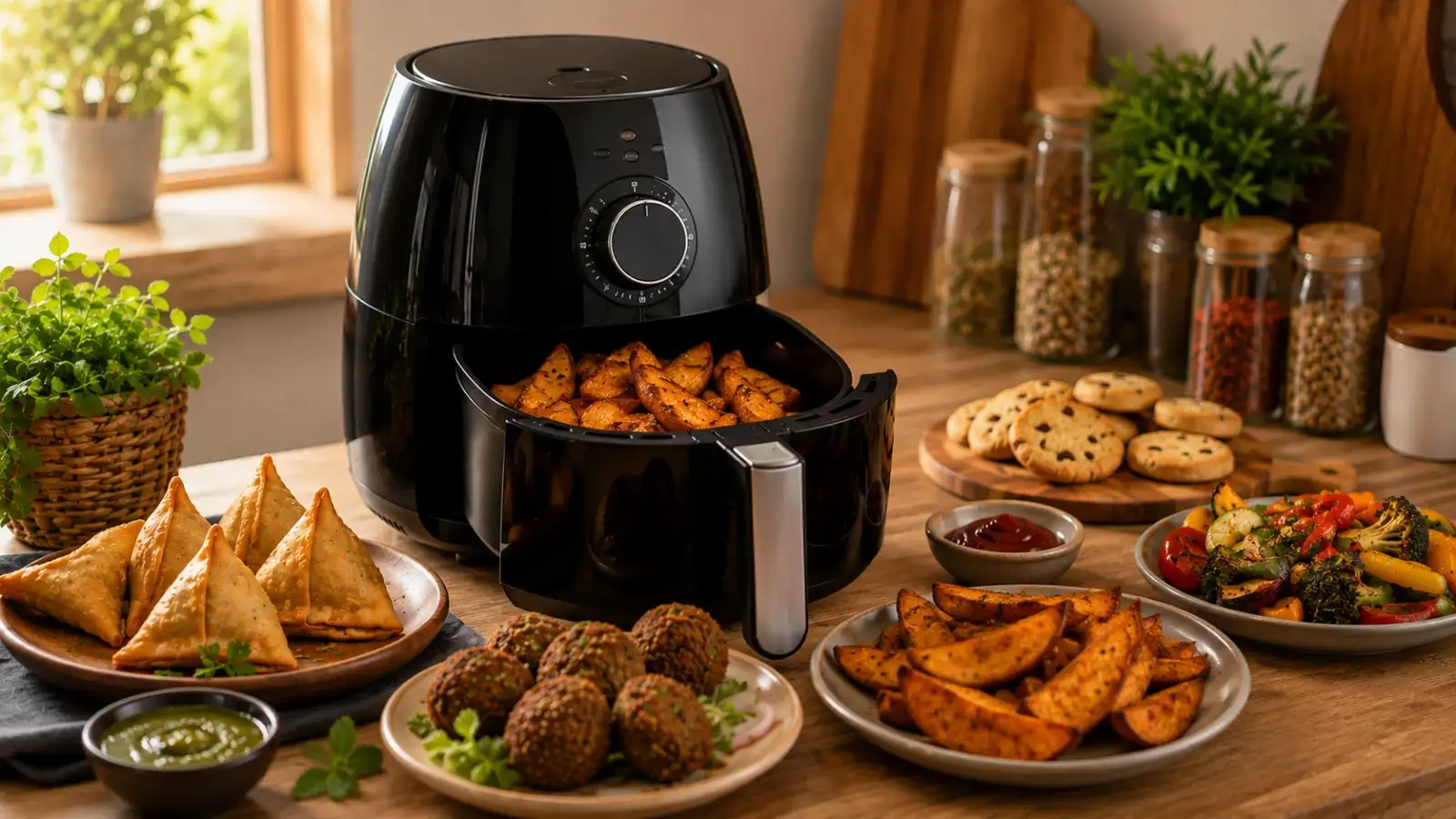
Hero Image


Transforming heavy deep-frying into crisp, guilt-free enjoyment

The most dramatic shift occurs with beloved fried classics like crispy pakoras, spiced samosas, falafels, and breaded cutlets. Traditionally, these treats required deep-frying in bubbling pots of oil, leaving kitchen counters splattered and heavy aromas lingering for hours. Air fryers deliver that coveted crunch using significantly less oil. Brushing a light layer of oil over hand-shaped samosa pastries or seasoned vegetable fritters allows intense convective heat to crisp the outer layer while keeping the interior tender and moist. This modification gives health-conscious food lovers the freedom to enjoy traditional comfort snacks on a regular weekday without worrying about excessive oil or heavy cleanup.

Drastically reducing cooking time for slow-roasted heritage meats

Classic roasts and braised dishes are famous for requiring hours of low-and-slow cooking in standard ovens. Air fryers concentrate intense heat inside a smaller chamber, potentially accelerating the cooking process. Tandoori chicken pieces, crackling pork belly, and marinated lamb chops can benefit from this rapid airflow. The intense heat quickly develops caramelized, charred edges while helping retain moisture, creating results that can resemble high-heat cooking in traditional tandoors and professional grills. What used to be a long, weekend-only cooking project can become a relatively quick weeknight dinner.


Adapting liquid batters and delicate traditional doughs

The marriage of classic recipes and air fryers is not completely without minor challenges. Wet, liquid-heavy batters used in traditional fish fritters or tempuras can easily drip through the ventilated basket before setting. To overcome this hurdle, inventive home cooks are adapting traditional recipes. Thickening batters, adding breadcrumb coatings, using perforated baking paper, or utilising small silicone moulds can help delicate batters set under hot air. Similarly, traditional baked shortbreads, biscuits, and festive pastries may require slight temperature reductions to ensure that the outer crust does not brown before the centre cooks completely.

Preserving family culture while simplifying daily kitchen work

Purists occasionally argue that changing traditional cooking methods risks losing authentic taste. However, the reality can be quite the opposite. Air fryers can help preserve family culinary heritage by fitting classic dishes into fast-paced modern lives. Younger generations who lack the time or confidence to manage deep-frying pans or large ovens may be more willing to experiment with simple air-fryer adaptations. Making heritage recipes faster, cleaner, and less oil-intensive can help ensure that beloved family flavours remain alive and regularly enjoyed at modern dining tables.


A permanent shift in daily home cooking habits

Ultimately, combining old-world recipes with clever kitchen technology represents a win-win evolution for home dining. What happens when traditional recipes meet air fryers is not necessarily the loss of authentic tradition, but rather a celebration of culinary adaptability. By retaining rich, authentic flavours while reducing preparation time and oil usage, this modern kitchen pairing can help ensure that time-tested comfort foods continue to thrive in contemporary households.