
How to Create a Pollinator-Friendly Balcony Garden at Home

A balcony does not need to be large to support small forms of urban biodiversity. A thoughtful selection of flowering plants, a little shelter and a clean water source can make the space more welcoming to visiting bees, butterflies and other pollinators.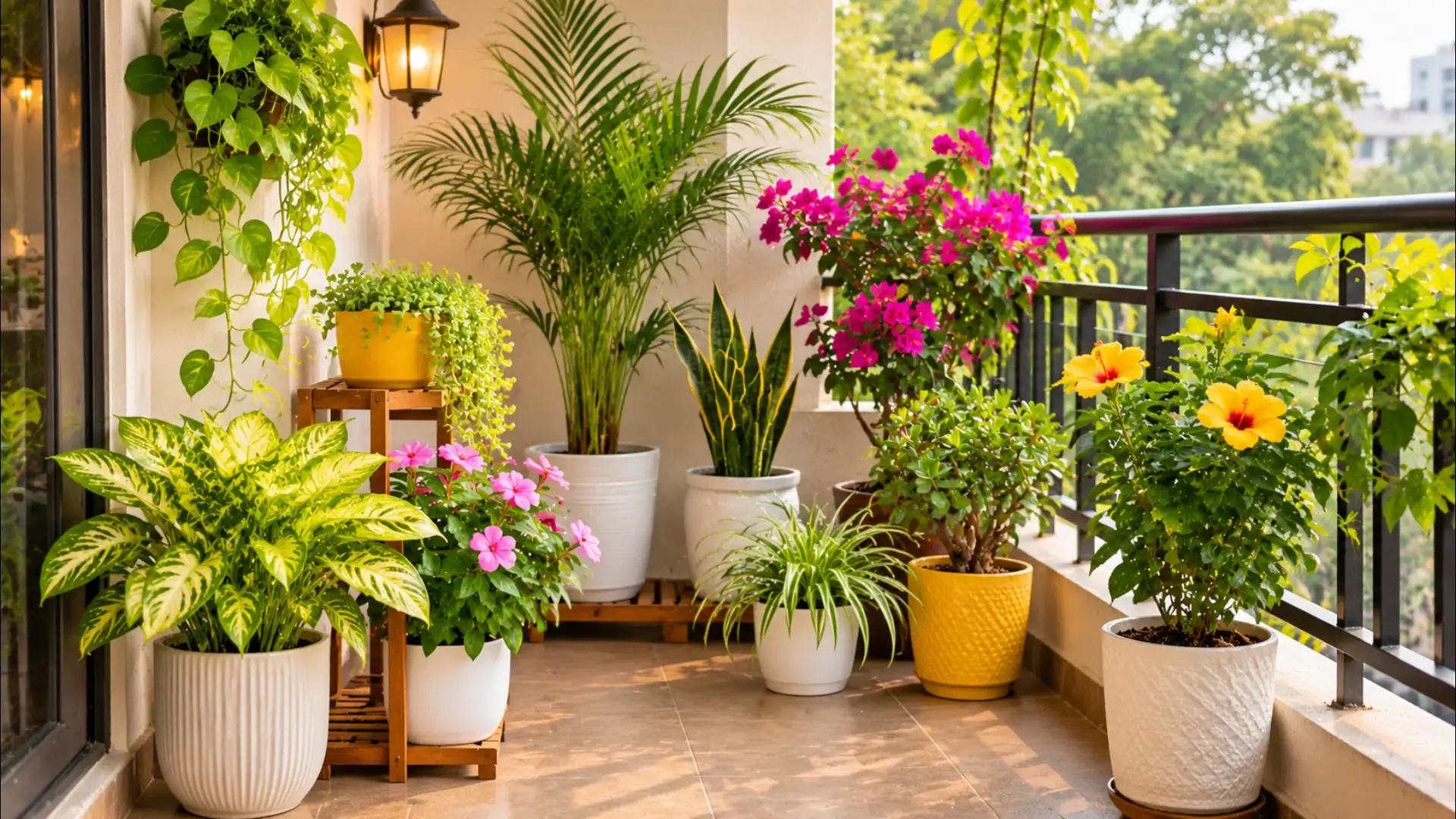
The most important step is choosing plants that suit the local climate and naturally occur in the surrounding region. A garden filled with suitable plants can offer food and resting places while adding colour to an apartment balcony.
Tulsi, curry leaf and Indian borage are examples of familiar plants that may support visiting pollinators when allowed to flower. Hibiscus can also be considered where there is enough sunlight and space. The best selection will depend on the region, balcony conditions and flowering season.
This can help provide a more consistent source of nectar and pollen. Grouping a few plants of the same species together can also make flowers easier for visiting insects to locate.
Choose plants according to the available light rather than expecting every flowering plant to grow in the same conditions. Check the nursery label for sunlight requirements and avoid placing shade-loving plants in harsh afternoon sun.
Lightweight containers can be useful on balconies, but make sure they are stable and placed safely. Avoid overcrowding the space, as plants need room for healthy growth and airflow.
Change the water regularly and keep the container clean. Avoid deep bowls or stagnant water that can create an unsuitable environment.
If a plant develops a problem, first identify the cause and seek advice on a suitable low-impact approach. Avoid spraying flowering plants when pollinators are active.
Avoid collecting wild insects or bringing unfamiliar plants into the space. The aim is to support the local ecosystem rather than create an artificial habitat.
An urban biodiversity initiative by ATREE also highlights the value of pollinator-friendly planting and avoiding invasive species in city gardens.
The most important step is choosing plants that suit the local climate and naturally occur in the surrounding region. A garden filled with suitable plants can offer food and resting places while adding colour to an apartment balcony.
1. Choose plants suited to your region
Start by finding out which flowering plants are native or well suited to your part of India. Local nurseries, botanical gardens and gardening groups can help identify suitable options.Tulsi, curry leaf and Indian borage are examples of familiar plants that may support visiting pollinators when allowed to flower. Hibiscus can also be considered where there is enough sunlight and space. The best selection will depend on the region, balcony conditions and flowering season.
2. Plan for flowers across different seasons
A balcony with only one flowering period may offer food for a short time. Instead, choose a mix of plants that flower at different points during the year.This can help provide a more consistent source of nectar and pollen. Grouping a few plants of the same species together can also make flowers easier for visiting insects to locate.
3. Check the amount of sunlight
Observe your balcony before buying plants. Some spaces receive direct sunlight for several hours, while others remain shaded by neighbouring buildings.Choose plants according to the available light rather than expecting every flowering plant to grow in the same conditions. Check the nursery label for sunlight requirements and avoid placing shade-loving plants in harsh afternoon sun.
4. Use suitable pots and soil
Select pots with drainage holes to prevent water from collecting at the bottom. The size should suit the plant's root system, while the growing medium should allow excess water to drain.You may also like
- PPF Nominee Rule: Is a Minor Your PPF Nominee? Find Out Who Can File a Claim, Who Receives the Funds, and Which Forms Are Required
- EPFO Rule Change: 12-Month Unemployment Condition Scrapped, Full PF Withdrawal After 2 Months, Retirement SWP Approved
- Sukanya Samriddhi Yojana: How is interest calculated, and why does depositing before or after the 5th matter? Understand the calculation.
- Pakistani scientists develop new patented nasal sprays for epilepsy, stroke patients
- Your PF funds could get stuck! Here's how to update your 'Date of Exit' after leaving a job.
Lightweight containers can be useful on balconies, but make sure they are stable and placed safely. Avoid overcrowding the space, as plants need room for healthy growth and airflow.
5. Provide a shallow water source
A shallow dish with clean water and a few stones can provide a landing point for small insects. The stones should remain partly above the water so visiting creatures have a place to rest.Change the water regularly and keep the container clean. Avoid deep bowls or stagnant water that can create an unsuitable environment.
6. Avoid routine pesticide use
Chemical sprays can affect beneficial insects as well as unwanted visitors. A pollinator-friendly balcony should prioritise prevention, plant diversity and careful observation.If a plant develops a problem, first identify the cause and seek advice on a suitable low-impact approach. Avoid spraying flowering plants when pollinators are active.
7. Leave a little natural shelter
Not every part of the balcony needs to look perfectly arranged. A few undisturbed plant stems, leafy corners and natural materials can provide resting places for insects.Avoid collecting wild insects or bringing unfamiliar plants into the space. The aim is to support the local ecosystem rather than create an artificial habitat.
8. Observe what visits your garden
Spend a few minutes watching the plants at different times of the day. You may notice butterflies, bees and other visitors using different flowers.An urban biodiversity initiative by ATREE also highlights the value of pollinator-friendly planting and avoiding invasive species in city gardens.
A small space with a useful purpose
A pollinator-friendly balcony does not require expensive planters or a large collection of flowers. A few locally suitable plants, regular care and thoughtful gardening choices can turn an ordinary balcony into a more welcoming green space.





Loving Newspoint? Download the app now
