
How to Build a Balanced Indian Diet Without Following Extreme Food Rules

Healthy eating is often presented as a complicated exercise involving expensive ingredients, strict meal plans and conflicting rules. In reality, a balanced diet is built around a few practical principles: variety, moderation, adequate nutrition and appropriate portions.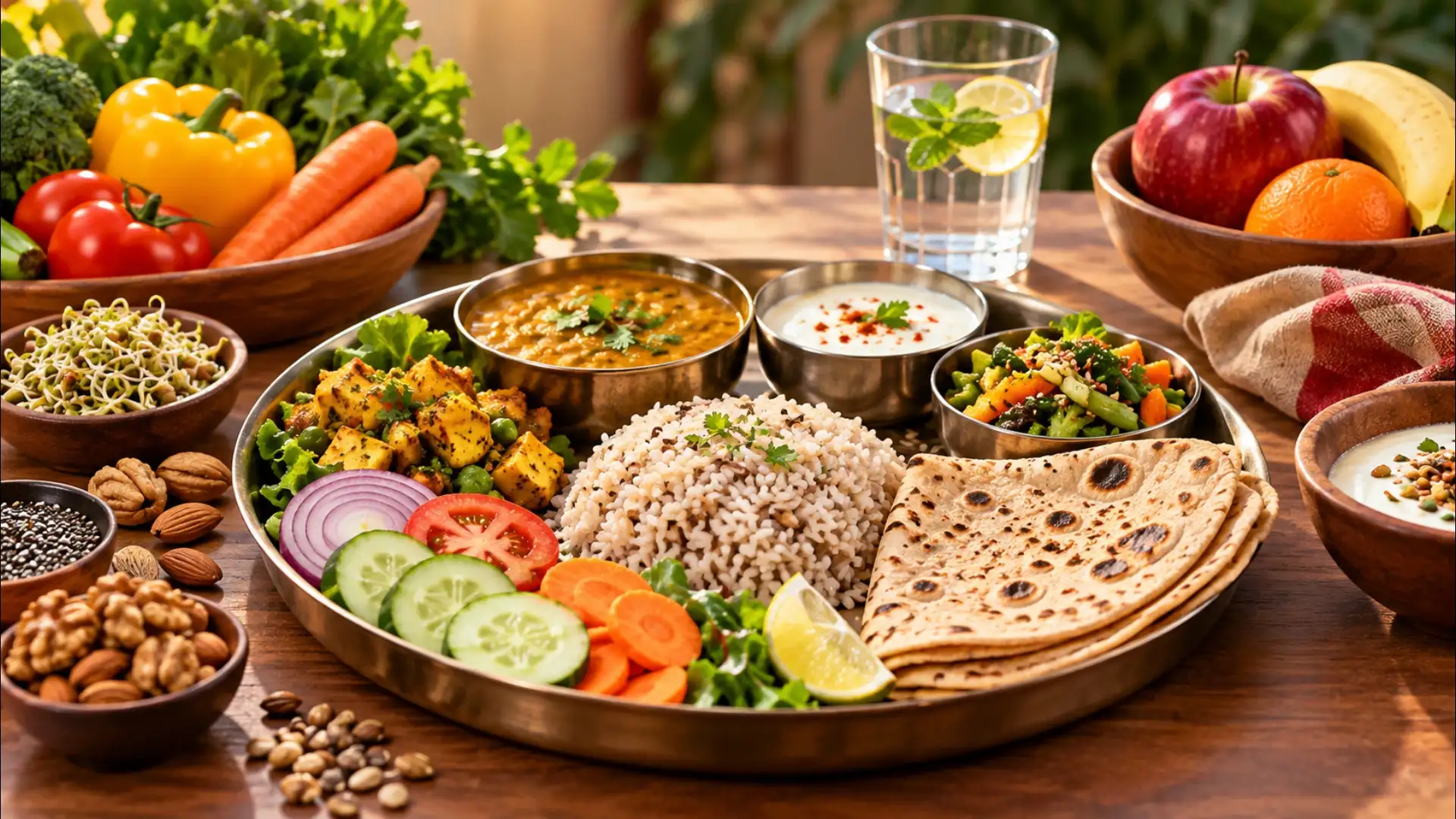
The World Health Organization recommends diets that include a wide range of nutritious foods while limiting components that can harm health when consumed excessively. For Indian households, this can mean making better use of familiar ingredients such as dal, vegetables, whole grains, fruit and beans rather than searching for specialised products or following restrictive online trends.
Eating a variety of foods can help reduce the risk of relying too heavily on a narrow selection of nutrients.
Indian meals already offer many options. A plate might include roti made from whole wheat, dal, seasonal vegetables and curd, with fruit served separately. Other combinations can include brown rice, chickpeas, beans, millets and vegetable-rich dishes.
No single food can provide everything the body needs. Overall eating patterns matter more than individual ingredients promoted as superfoods.
These are useful general targets, not a personalised prescription for every individual.
One practical approach is to include vegetables in main meals and choose whole fruit as a snack or dessert. Frozen or canned produce can also be useful when fresh options are expensive or unavailable, provided added sugar and excess sodium are considered.
Whole fruit generally offers more fibre than fruit juice.
Small changes are often more sustainable than eliminating entire food groups without a medical reason.
Try comparing product labels, adjusting the amount of sugar added to tea or coffee, and preparing more meals at home when practical.
People with diabetes, kidney disease, food allergies or other medical needs may require individual dietary advice.
A healthy diet is not about perfection. It is about consistently choosing varied, nutritious foods and building habits that fit your health needs, budget and daily routine.
The World Health Organization recommends diets that include a wide range of nutritious foods while limiting components that can harm health when consumed excessively. For Indian households, this can mean making better use of familiar ingredients such as dal, vegetables, whole grains, fruit and beans rather than searching for specialised products or following restrictive online trends.
Why Does Dietary Variety Matter?
Different foods provide different nutrients. Whole grains contribute carbohydrates and fibre, pulses supply protein and other nutrients, and fruit and vegetables provide vitamins, minerals and fibre.Eating a variety of foods can help reduce the risk of relying too heavily on a narrow selection of nutrients.
Indian meals already offer many options. A plate might include roti made from whole wheat, dal, seasonal vegetables and curd, with fruit served separately. Other combinations can include brown rice, chickpeas, beans, millets and vegetable-rich dishes.
No single food can provide everything the body needs. Overall eating patterns matter more than individual ingredients promoted as superfoods.
How Much Fruit and Vegetables Should You Eat?
The WHO advises people older than 10 years to consume at least 400 grams of fruit and vegetables daily. It also recommends at least 25 grams of naturally occurring dietary fibre each day for this age group.These are useful general targets, not a personalised prescription for every individual.
One practical approach is to include vegetables in main meals and choose whole fruit as a snack or dessert. Frozen or canned produce can also be useful when fresh options are expensive or unavailable, provided added sugar and excess sodium are considered.
Whole fruit generally offers more fibre than fruit juice.
What About Sugar, Salt and Highly Processed Foods?
Reducing excessive free sugar and salt can support a healthier dietary pattern. Frequent consumption of heavily salted snacks, sugary drinks and foods high in unhealthy fats can make it harder to maintain balanced nutrition.Small changes are often more sustainable than eliminating entire food groups without a medical reason.
Try comparing product labels, adjusting the amount of sugar added to tea or coffee, and preparing more meals at home when practical.
How Can You Make Healthy Eating Sustainable?
Plan meals around affordable foods that are available locally. Prepare pulses in batches, use seasonal vegetables and avoid buying ingredients that are likely to go unused.People with diabetes, kidney disease, food allergies or other medical needs may require individual dietary advice.
A healthy diet is not about perfection. It is about consistently choosing varied, nutritious foods and building habits that fit your health needs, budget and daily routine.
Next Story