
How To Build A Minimalist Wardrobe Without Sacrificing Personal Style

Minimalist Wardrobe Guide: Smart Fashion Choices For Everyday Simplicity
Simple And Practical Steps To Create A Stylish Minimalist Wardrobe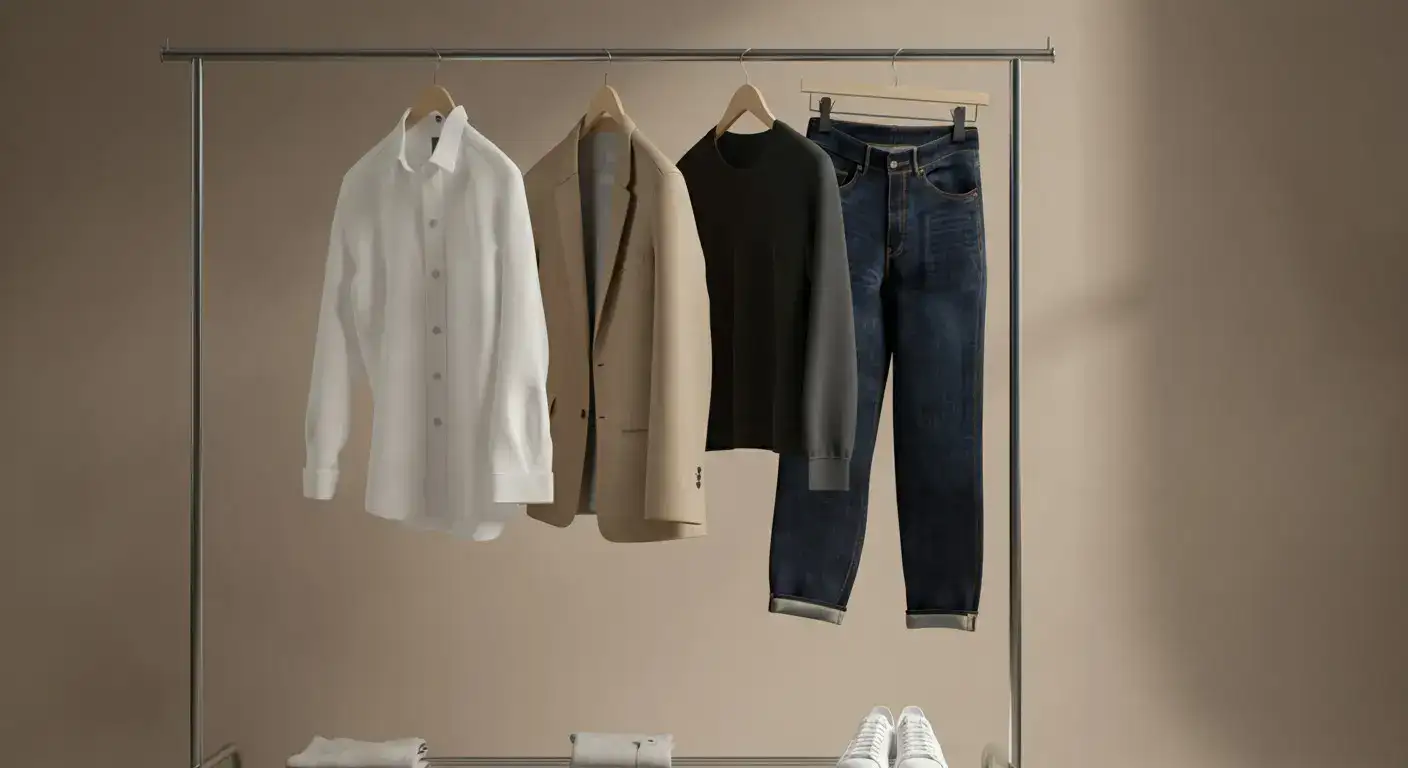
SEO Keywords
minimalist wardrobe, capsule wardrobe ideas , sustainable fashion tips , minimalist fashion guide , wardrobe essentials , smart clothing choices
Meta Description
Learn how to build a minimalist wardrobe with timeless clothing essentials, smart fashion habits and clutter-free style tips.
Synopsis
How To Build A Minimalist Wardrobe
Fashion trends change rapidly, but many people are now shifting towards simpler and more practical approaches to personal style. A minimalist wardrobe has become increasingly popular among individuals looking to reduce clutter, save money and make everyday dressing less stressful. Instead of owning excessive clothing that rarely gets used, minimalist fashion focuses on versatility, quality and thoughtful choices.
Building a minimalist wardrobe does not mean wearing boring clothes or giving up personal style. It simply involves creating a collection of clothing pieces that work well together, remain useful across different occasions and reflect individual comfort and preferences.
For many people, simplifying their wardrobe also supports better organisation, conscious shopping habits and a more sustainable approach to fashion consumption.
In reality, a minimalist wardrobe is about intentional choices rather than strict limitations. The idea is to keep clothing that is practical, comfortable, versatile and genuinely useful in daily life.
Instead of filling wardrobes with impulse purchases or fast-changing trends, minimalist dressing encourages long-lasting pieces that can be mixed and matched easily.
The goal is simplicity and functionality without losing individuality.
Many wardrobes contain clothes that are rarely worn, no longer fit properly or were bought impulsively for occasional use.
Sorting clothes into categories such as frequently used, seasonal, repairable or unnecessary can help create clarity about what is actually needed.
Items that no longer serve practical use may be donated, recycled or responsibly discarded.
Decluttering also helps identify gaps in wardrobe essentials before purchasing new items.
Basic shirts, comfortable trousers, neutral jackets, classic denim, simple footwear and adaptable layering pieces often become the foundation of a functional wardrobe.
Clothing that can transition easily between casual, work and semi-formal settings generally offers better value and usability.
Choosing timeless styles instead of trend-driven designs may also increase long-term wearability.
Neutral shades such as black, white, grey, beige, navy and earthy tones are commonly preferred because they combine easily with multiple outfits.
This does not mean colourful clothing must be avoided completely. Instead, selecting colours thoughtfully helps create more outfit combinations with fewer pieces.
A coordinated colour palette often simplifies daily styling decisions while maintaining a polished appearance.
High-quality clothing may initially appear more expensive, but durable fabrics and better stitching often result in longer-lasting wear.
Frequent purchases of cheap, low-quality clothing may eventually cost more because of repeated replacements.
Checking fabric quality, comfort, fit and maintenance requirements before purchasing can help improve long-term wardrobe value.
Discount sales, fast fashion trends and social media influence often encourage unnecessary purchases that are rarely used regularly.
Before buying new clothes, it is helpful to consider whether the item matches existing wardrobe pieces and serves a genuine purpose.
Some people follow a waiting period before making purchases to avoid unnecessary spending.
Mindful shopping habits support both financial savings and wardrobe simplicity.
A capsule wardrobe typically includes a limited number of interchangeable clothing pieces suitable for everyday use across different seasons and occasions.
The exact number of items varies according to lifestyle, profession and personal preferences.
The focus remains on practicality, comfort and ease of styling rather than strict fashion rules.
A well-planned capsule wardrobe can reduce decision fatigue and simplify travel packing as well.
A corporate professional, fitness enthusiast, student or frequent traveller may all require different clothing priorities.
Climate conditions, workplace requirements and daily routines should also influence wardrobe choices.
The most successful minimalist wardrobes are flexible and realistic rather than overly restrictive.
Comfort and practicality should remain central to the process.
Reducing unnecessary purchases, reusing clothing longer and buying durable garments may help lower textile waste and excessive consumption.
Fast fashion production contributes significantly to environmental concerns because of high resource usage and short clothing lifespans.
Choosing quality over quantity encourages more responsible and environmentally conscious fashion habits.
With fewer but more functional clothing choices, dressing becomes quicker and more efficient without sacrificing style or comfort.
Minimalism also encourages people to focus more on personal confidence and practicality rather than constant trend chasing.
Building a minimalist wardrobe is not about perfection or strict limitations. It is about creating a balanced collection of clothing that supports daily life, reflects personal style and reduces unnecessary clutter. Through thoughtful shopping, versatile essentials and better organisation, minimalist fashion can help individuals enjoy greater simplicity, financial control and long-term wardrobe satisfaction.
Simple And Practical Steps To Create A Stylish Minimalist Wardrobe
SEO Keywords
minimalist wardrobe, capsule wardrobe ideas , sustainable fashion tips , minimalist fashion guide , wardrobe essentials , smart clothing choices
Meta Description
Learn how to build a minimalist wardrobe with timeless clothing essentials, smart fashion habits and clutter-free style tips.
Synopsis
How To Build A Minimalist Wardrobe
Fashion trends change rapidly, but many people are now shifting towards simpler and more practical approaches to personal style. A minimalist wardrobe has become increasingly popular among individuals looking to reduce clutter, save money and make everyday dressing less stressful. Instead of owning excessive clothing that rarely gets used, minimalist fashion focuses on versatility, quality and thoughtful choices.
Building a minimalist wardrobe does not mean wearing boring clothes or giving up personal style. It simply involves creating a collection of clothing pieces that work well together, remain useful across different occasions and reflect individual comfort and preferences.
For many people, simplifying their wardrobe also supports better organisation, conscious shopping habits and a more sustainable approach to fashion consumption.
Understand What Minimalism Means In Fashion
Minimalist fashion is often misunderstood as owning very few clothes or dressing only in plain colours.In reality, a minimalist wardrobe is about intentional choices rather than strict limitations. The idea is to keep clothing that is practical, comfortable, versatile and genuinely useful in daily life.
Instead of filling wardrobes with impulse purchases or fast-changing trends, minimalist dressing encourages long-lasting pieces that can be mixed and matched easily.
The goal is simplicity and functionality without losing individuality.
Start By Decluttering Your Wardrobe
The first step towards building a minimalist wardrobe is reviewing existing clothing carefully.Many wardrobes contain clothes that are rarely worn, no longer fit properly or were bought impulsively for occasional use.
Sorting clothes into categories such as frequently used, seasonal, repairable or unnecessary can help create clarity about what is actually needed.
Items that no longer serve practical use may be donated, recycled or responsibly discarded.
Decluttering also helps identify gaps in wardrobe essentials before purchasing new items.
Focus On Versatile Clothing Essentials
Minimalist wardrobes usually rely on versatile clothing that works across multiple situations.Basic shirts, comfortable trousers, neutral jackets, classic denim, simple footwear and adaptable layering pieces often become the foundation of a functional wardrobe.
Clothing that can transition easily between casual, work and semi-formal settings generally offers better value and usability.
Choosing timeless styles instead of trend-driven designs may also increase long-term wearability.
Choose Neutral And Coordinated Colours
Colour coordination plays an important role in minimalist dressing.Neutral shades such as black, white, grey, beige, navy and earthy tones are commonly preferred because they combine easily with multiple outfits.
This does not mean colourful clothing must be avoided completely. Instead, selecting colours thoughtfully helps create more outfit combinations with fewer pieces.
A coordinated colour palette often simplifies daily styling decisions while maintaining a polished appearance.
Prioritise Quality Over Quantity
One of the key principles of minimalist fashion is buying fewer but better-quality items.High-quality clothing may initially appear more expensive, but durable fabrics and better stitching often result in longer-lasting wear.
Frequent purchases of cheap, low-quality clothing may eventually cost more because of repeated replacements.
Checking fabric quality, comfort, fit and maintenance requirements before purchasing can help improve long-term wardrobe value.
Avoid Impulse Fashion Shopping
Impulse shopping is one of the biggest reasons wardrobes become overcrowded.Discount sales, fast fashion trends and social media influence often encourage unnecessary purchases that are rarely used regularly.
Before buying new clothes, it is helpful to consider whether the item matches existing wardrobe pieces and serves a genuine purpose.
Some people follow a waiting period before making purchases to avoid unnecessary spending.
Mindful shopping habits support both financial savings and wardrobe simplicity.
Build A Functional Capsule Collection
Many minimalist wardrobes are built around the concept of a capsule wardrobe.A capsule wardrobe typically includes a limited number of interchangeable clothing pieces suitable for everyday use across different seasons and occasions.
The exact number of items varies according to lifestyle, profession and personal preferences.
The focus remains on practicality, comfort and ease of styling rather than strict fashion rules.
A well-planned capsule wardrobe can reduce decision fatigue and simplify travel packing as well.
Adapt Minimalism To Your Lifestyle
Minimalist wardrobes should reflect individual lifestyles rather than follow rigid templates.A corporate professional, fitness enthusiast, student or frequent traveller may all require different clothing priorities.
Climate conditions, workplace requirements and daily routines should also influence wardrobe choices.
The most successful minimalist wardrobes are flexible and realistic rather than overly restrictive.
Comfort and practicality should remain central to the process.
Sustainable Fashion Benefits Of Minimalism
Minimalist dressing often aligns naturally with sustainable fashion practices.Reducing unnecessary purchases, reusing clothing longer and buying durable garments may help lower textile waste and excessive consumption.
Fast fashion production contributes significantly to environmental concerns because of high resource usage and short clothing lifespans.
Choosing quality over quantity encourages more responsible and environmentally conscious fashion habits.
Simplicity Can Improve Daily Life
A well-organised minimalist wardrobe often makes everyday routines simpler and less stressful.With fewer but more functional clothing choices, dressing becomes quicker and more efficient without sacrificing style or comfort.
Minimalism also encourages people to focus more on personal confidence and practicality rather than constant trend chasing.
Building a minimalist wardrobe is not about perfection or strict limitations. It is about creating a balanced collection of clothing that supports daily life, reflects personal style and reduces unnecessary clutter. Through thoughtful shopping, versatile essentials and better organisation, minimalist fashion can help individuals enjoy greater simplicity, financial control and long-term wardrobe satisfaction.
Next Story