
How to Build Muscle on a Vegetarian Diet With the Right Foods, Protein and Strength Training

Building muscle on a vegetarian diet is entirely possible, but it requires more than simply eating extra food. The key is to provide your body with enough protein, calories and nutrients while following a consistent strength-training routine. Foods such as lentils, beans, dairy products, tofu, tempeh, paneer, nuts and seeds can all contribute to a muscle-building diet. According to nutrition experts, vegetarians may need to pay closer attention to protein variety and meal planning because some plant foods contain less protein per serving than animal-based options. With sensible choices, however, a vegetarian diet can support steady muscle growth and recovery.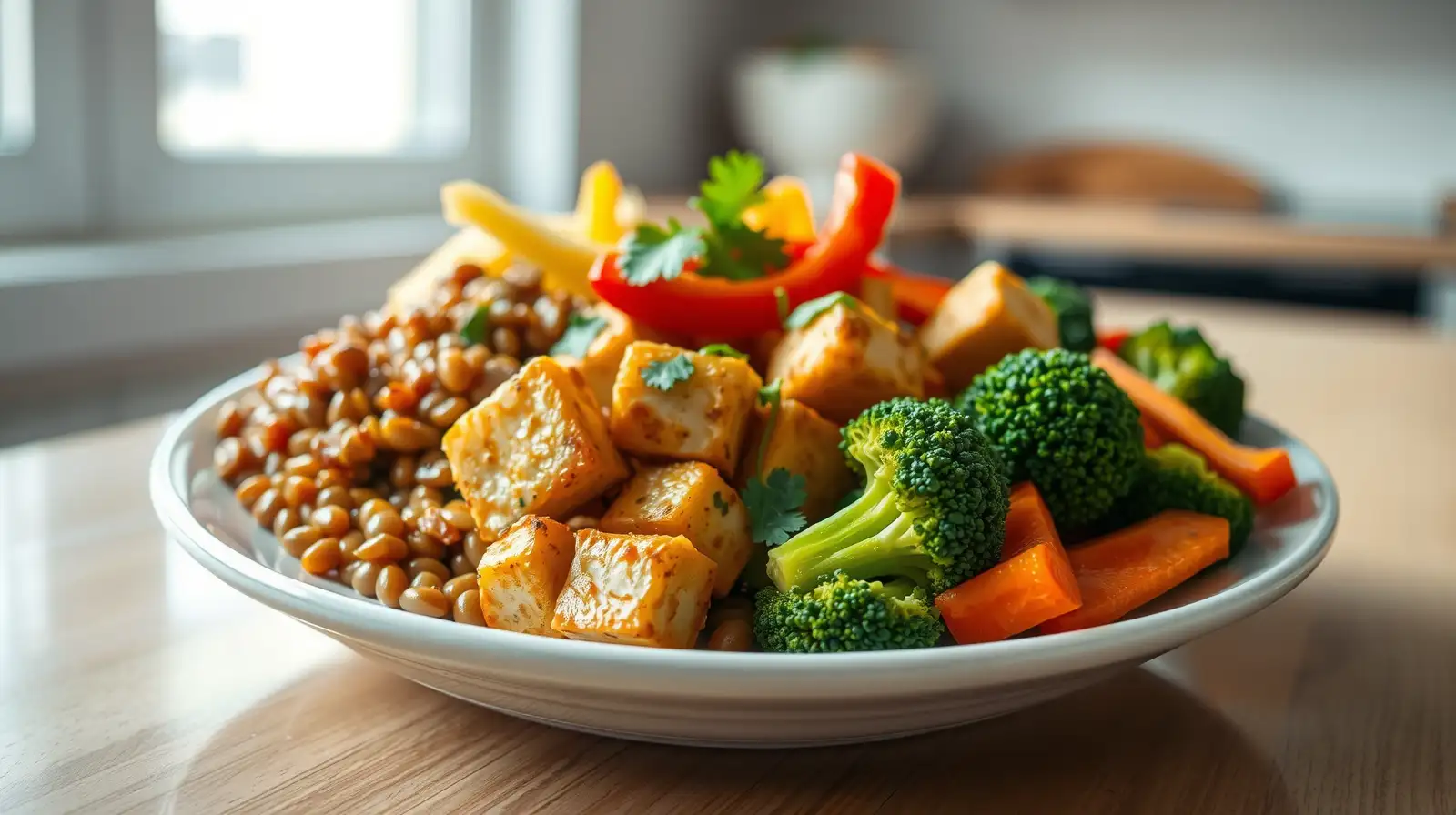
Plant proteins can complement one another, so eating a varied diet is important. If meeting protein needs through food feels difficult, a suitable protein powder can also be considered, although it should complement meals rather than replace a balanced diet.
Carbohydrates matter too. Rice, oats, potatoes, wholemeal bread and other grains provide fuel for resistance training. Pairing carbohydrates with protein can make meals more satisfying while supporting regular workouts.
Sleep also deserves attention. During recovery, the body repairs tissues stressed by exercise. Industry watchers note that poor sleep and inconsistent training can undermine otherwise good nutrition habits.
For people with specific dietary restrictions or health concerns, a registered dietitian can help create a plan suited to individual protein, calorie and nutrient requirements.
Prioritise protein at every meal
Protein supplies amino acids needed for muscle repair and growth. Instead of relying on one food, include several protein-rich vegetarian foods across the day. Lentils, chickpeas, kidney beans, soy foods, paneer, Greek yoghurt, milk and cottage cheese are useful options.Plant proteins can complement one another, so eating a varied diet is important. If meeting protein needs through food feels difficult, a suitable protein powder can also be considered, although it should complement meals rather than replace a balanced diet.
You may also like
- Fifth Disease and Pregnancy: What You Need to Know
- No more worrying about money during emergencies! Instantly withdraw advance funds from your PF account with thesec rules..
- Kashmir: The Fading Scars
- “Today I got late by an hour because I got stuck in the traffic from Worli to this hotel”: Nitin Gadkari explains why Mumbai needs a new traffic solution
- From Paytm to PB Fintech: Jefferies sets ambitious targets for 5 financial stocks; find out where the prices could head..
Don’t overlook calories and carbohydrates
Muscle gain also depends on having enough energy. Eating too little can make it harder to support training and recovery, even when protein intake is adequate. According to fitness experts, adding calorie-dense foods such as nuts, nut butters, seeds, dairy and whole grains can help increase energy intake without making meals excessively large.Carbohydrates matter too. Rice, oats, potatoes, wholemeal bread and other grains provide fuel for resistance training. Pairing carbohydrates with protein can make meals more satisfying while supporting regular workouts.
Strength training remains essential
Diet alone will not build substantial muscle. Progressive resistance training, which gradually increases the challenge placed on muscles, is central to muscle development. A consistent routine covering major muscle groups can be combined with adequate rest between demanding sessions.Sleep also deserves attention. During recovery, the body repairs tissues stressed by exercise. Industry watchers note that poor sleep and inconsistent training can undermine otherwise good nutrition habits.
Make your vegetarian diet work
A practical muscle-building vegetarian diet does not need to be complicated. Build meals around a protein source, add a carbohydrate-rich food, include vegetables or fruit, and use healthy fats where needed. Track your progress over time and adjust food portions or training when results stall.For people with specific dietary restrictions or health concerns, a registered dietitian can help create a plan suited to individual protein, calorie and nutrient requirements.






Loving Newspoint? Download the app now
