
Indoor Gardening: Common Plant Care Mistakes to Avoid

Indoor plants can bring greenery into a home, but keeping them healthy requires more than watering them on a fixed schedule. Different plants have different requirements for light, moisture and temperature.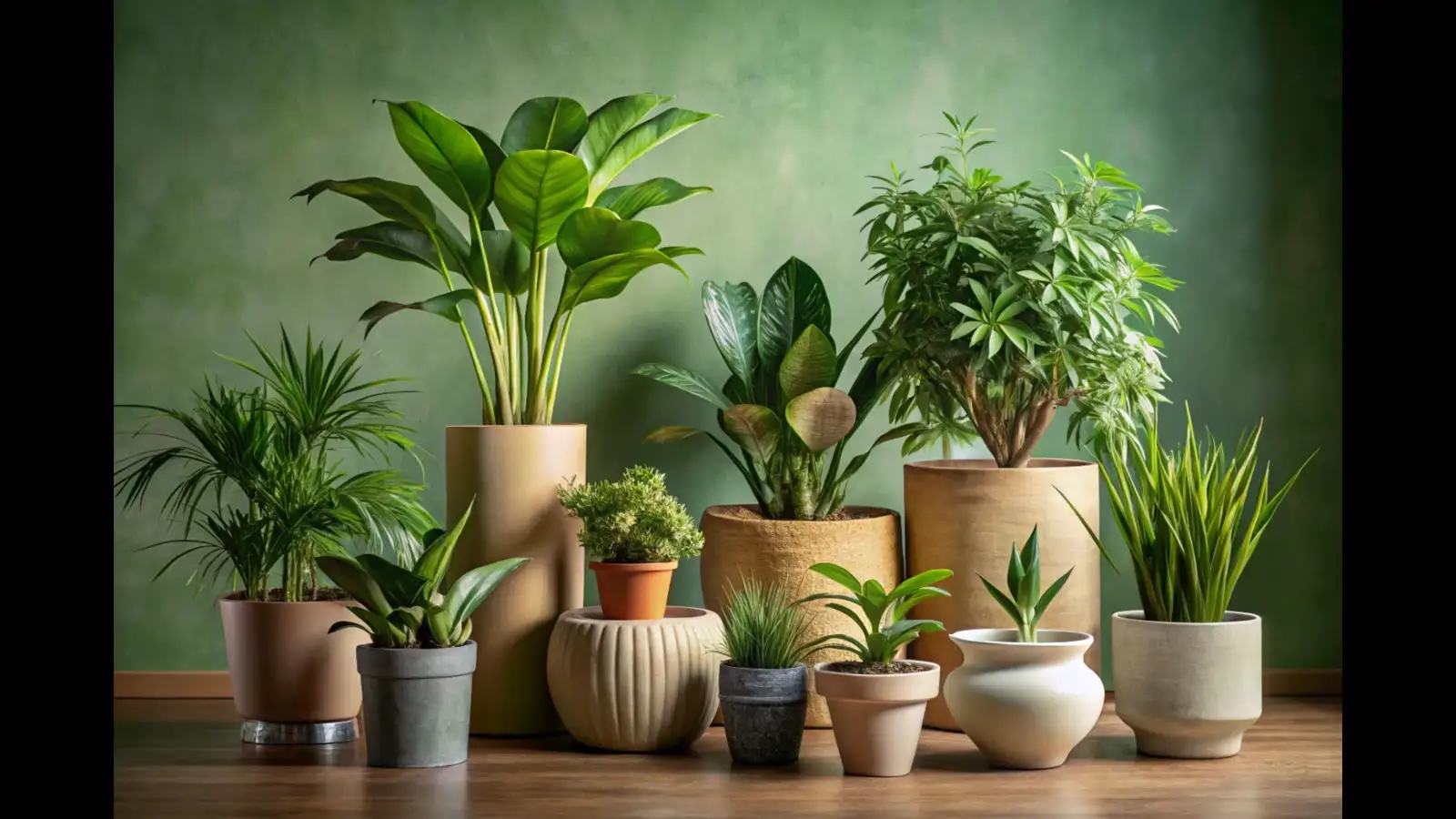
In humid conditions, potting soil may take longer to dry. Watering too frequently can deprive roots of oxygen and contribute to root rot. Understanding the needs of individual plants can help prevent common problems and make indoor gardening easier.
Instead, check the soil before adding water. For many common foliage plants, the top layer should be allowed to dry to an appropriate depth before watering again. The correct interval depends on the species, pot size, soil mixture, temperature and available light.
Plants such as succulents generally need the soil to dry more thoroughly between waterings than plants that prefer consistently moist conditions.
Use a potting mix suitable for the plant and make sure the container has drainage holes. Empty excess water from the saucer or outer decorative pot rather than allowing the plant to sit in standing water.
Adding stones at the bottom of a pot does not solve poor drainage. A suitable container and growing medium are more important.
Observe how much natural light reaches the intended spot throughout the day. A plant placed too far from a window may develop weak, stretched growth or lose leaves.
On the other hand, strong direct sunlight through glass can scorch leaves of plants that are not adapted to it.
Research the specific species before deciding where to place it.
Leave enough space between pots for air to circulate. Remove dead leaves, keep the foliage reasonably clean and avoid repeatedly wetting the leaves when ventilation is poor.
Do not assume that misting is necessary for every indoor plant. It often provides only a temporary increase in humidity and may leave foliage wet without solving the plant's actual needs.
Dry, crispy leaf edges can have several causes, including underwatering, heat or unsuitable humidity. Brown patches may also result from sun damage, pests or disease.
Avoid treating every symptom with extra water or fertiliser. Check the soil, light conditions and the plant itself before making changes.
Use a suitable fertiliser according to its label and the plant's growth stage. Applying more than recommended can damage roots and leaves.
Avoid fertilising a plant that is already stressed until you understand the underlying problem.
If a plant is struggling, make one or two careful adjustments and observe the response rather than changing everything at once.
Consistent observation, suitable drainage and appropriate light are more reliable foundations for indoor plant care than following a rigid watering calendar.
In humid conditions, potting soil may take longer to dry. Watering too frequently can deprive roots of oxygen and contribute to root rot. Understanding the needs of individual plants can help prevent common problems and make indoor gardening easier.
1. Check Soil Before Watering
One of the most common houseplant mistakes is watering every plant on the same day regardless of its needs.Instead, check the soil before adding water. For many common foliage plants, the top layer should be allowed to dry to an appropriate depth before watering again. The correct interval depends on the species, pot size, soil mixture, temperature and available light.
Plants such as succulents generally need the soil to dry more thoroughly between waterings than plants that prefer consistently moist conditions.
2. Choose Pots With Drainage Holes
A pot needs a way for excess water to escape. Without adequate drainage, water can collect around the roots and increase the risk of root problems.Use a potting mix suitable for the plant and make sure the container has drainage holes. Empty excess water from the saucer or outer decorative pot rather than allowing the plant to sit in standing water.
Adding stones at the bottom of a pot does not solve poor drainage. A suitable container and growing medium are more important.
3. Understand the Plant's Light Needs
Not every indoor plant thrives in a dark corner. Some tolerate lower light, while others require bright, indirect sunlight or several hours of direct light.Observe how much natural light reaches the intended spot throughout the day. A plant placed too far from a window may develop weak, stretched growth or lose leaves.
On the other hand, strong direct sunlight through glass can scorch leaves of plants that are not adapted to it.
Research the specific species before deciding where to place it.
4. Improve Airflow in Humid Weather
High humidity can be helpful for some tropical plants, but stagnant, damp conditions may encourage fungal problems.Leave enough space between pots for air to circulate. Remove dead leaves, keep the foliage reasonably clean and avoid repeatedly wetting the leaves when ventilation is poor.
You may also like
- Essential Skincare Tips for Winter: Keep Your Skin Healthy
- Why 333 is called a growth number: How to know its importance in yourlife if its message resonates with you
- Building Stronger Parent-Child Relationships Through Apologies
- "If we apologize, the child will walk all over us!" It is this stubbornness on the part of parents that hollows out relationships..
- Gen-Z Embraces IV Drips for Energy Boost During Navratri Festivities
Do not assume that misting is necessary for every indoor plant. It often provides only a temporary increase in humidity and may leave foliage wet without solving the plant's actual needs.
5. Look for Early Warning Signs
Yellowing leaves, soft stems, persistent wet soil and an unpleasant smell from the potting mix may indicate excessive moisture or root problems.Dry, crispy leaf edges can have several causes, including underwatering, heat or unsuitable humidity. Brown patches may also result from sun damage, pests or disease.
Avoid treating every symptom with extra water or fertiliser. Check the soil, light conditions and the plant itself before making changes.
6. Use Fertiliser Carefully
Plants growing in containers may eventually need additional nutrients, depending on the potting mix and growing conditions.Use a suitable fertiliser according to its label and the plant's growth stage. Applying more than recommended can damage roots and leaves.
Avoid fertilising a plant that is already stressed until you understand the underlying problem.
Create a Simple Care Routine
Check soil moisture, inspect leaves and remove dead material regularly. Group plants according to similar light and watering needs where practical, but avoid treating every species identically.If a plant is struggling, make one or two careful adjustments and observe the response rather than changing everything at once.
Consistent observation, suitable drainage and appropriate light are more reliable foundations for indoor plant care than following a rigid watering calendar.






Loving Newspoint? Download the app now
