
Silk Saree Care Guide: Simple Ways to Preserve Your Traditional Wardrobe

Silk sarees are often among the most valued pieces in an Indian wardrobe. Some are purchased for weddings and festivals, while others are passed down through families as treasured garments.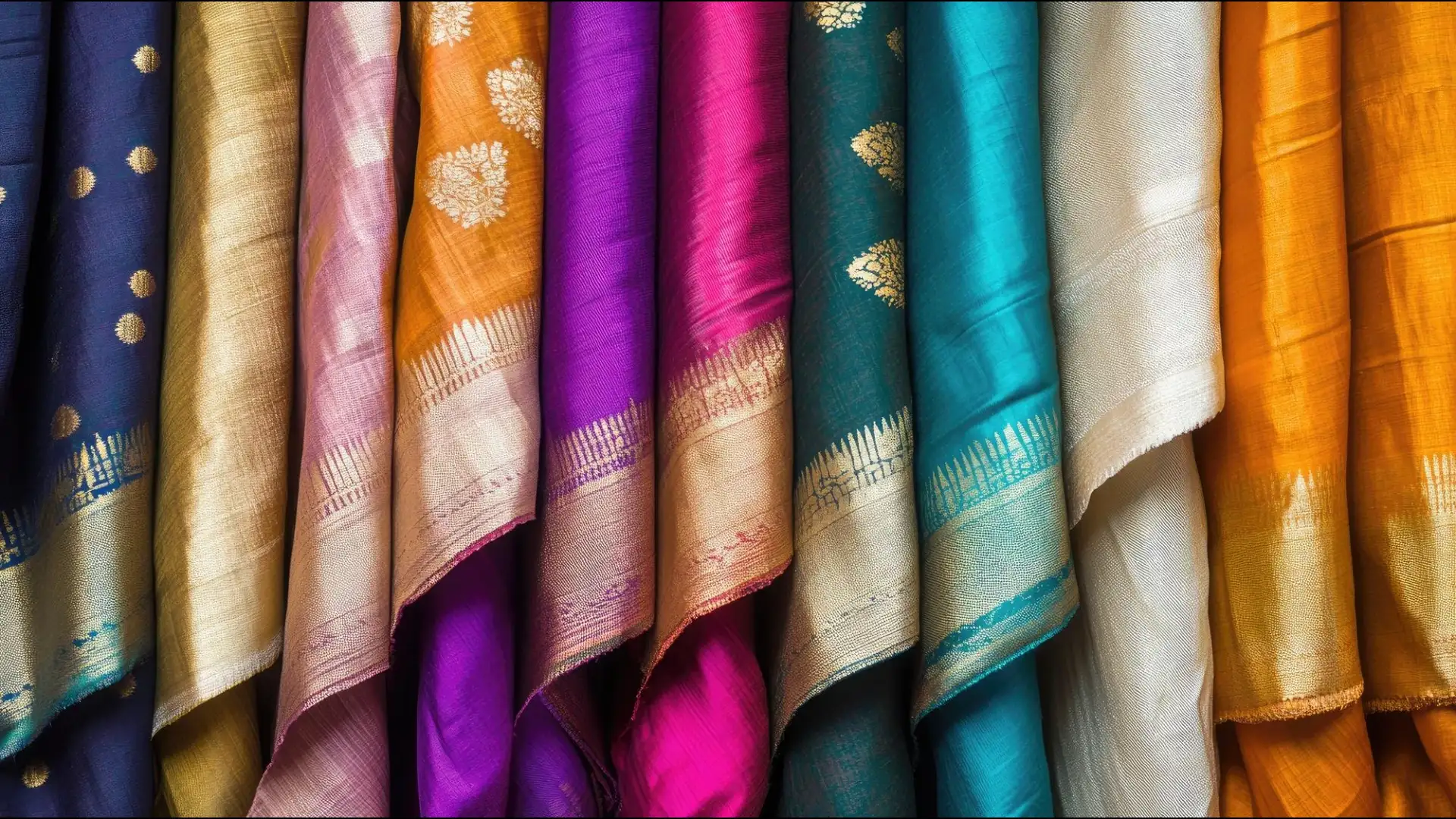
Their fabric, borders and decorative work need thoughtful care, particularly when a saree remains stored for long periods between occasions.
A few simple habits can help keep the wardrobe organised and reduce unnecessary handling. The most important rule is to follow the care instructions for the particular saree, as different silk varieties and finishes may require different treatment.
Open it carefully and allow it to air in a shaded, well-ventilated room. This gives any moisture from normal wear time to disperse.
Keep it away from direct sunlight, which may affect the colour over time.
Check the pallu, border and lower portion for visible stains or loose threads. Remove safety pins and other accessories before storing the garment.
If the saree has visible stains, avoid experimenting with household cleaning methods. A specialist cleaner familiar with silk and zari is a safer option.
Wrap each saree separately rather than placing several delicate pieces together in one tight bundle.
Avoid long-term storage in sealed plastic covers, as trapped moisture can become a concern in humid cupboards.
Before placing a saree inside its cover, make sure the fabric is completely dry.
When taking a saree out for seasonal use, open it fully and allow the fabric to relax before folding it again.
Change the position of the folds periodically. For heavily decorated pieces, place soft, clean tissue between sections where the fabric or zari may rub against itself.
Avoid pressing down heavily on a stack of sarees. Keep the heaviest garments at the bottom and do not overcrowd the shelf.
Avoid spraying perfume or deodorant directly onto the saree. Apply such products before getting dressed and allow them to dry.
Do not place sharp jewellery, pins or accessories directly against the fabric during storage.
If ironing is permitted by the garment's care instructions, use a low silk-appropriate setting and place a clean cotton cloth between the iron and the saree. Work on the reverse side and avoid direct heat on decorative metallic work.
For valuable or heavily embellished pieces, professional finishing may be preferable.
Do not store a saree that feels damp after use or cleaning.
Inspect stored garments every few months. Open the covers, check for unusual odours or visible changes and refold them along different lines.
If you use wardrobe fresheners or insect-repellent products, keep them separate from the fabric and follow their instructions. Do not allow strongly scented products to touch the sarees.
You can also label covers with the saree's name, colour or occasion to avoid repeatedly opening every package.
A small inventory can be useful if you have a large collection. Note which pieces need professional cleaning or minor repairs before the next occasion.
Check the original care label, ask the seller for instructions or consult a cleaner experienced in traditional Indian textiles.
With gentle handling, clean storage and periodic inspection, silk sarees can remain a valued part of the family wardrobe for a long time.
Their fabric, borders and decorative work need thoughtful care, particularly when a saree remains stored for long periods between occasions.
A few simple habits can help keep the wardrobe organised and reduce unnecessary handling. The most important rule is to follow the care instructions for the particular saree, as different silk varieties and finishes may require different treatment.
Air the saree after wearing
After wearing a silk saree, do not fold it and place it directly into the wardrobe.Open it carefully and allow it to air in a shaded, well-ventilated room. This gives any moisture from normal wear time to disperse.
Keep it away from direct sunlight, which may affect the colour over time.
Check the pallu, border and lower portion for visible stains or loose threads. Remove safety pins and other accessories before storing the garment.
If the saree has visible stains, avoid experimenting with household cleaning methods. A specialist cleaner familiar with silk and zari is a safer option.
Choose breathable storage material
A clean cotton or muslin cover is a practical choice for storing silk sarees.Wrap each saree separately rather than placing several delicate pieces together in one tight bundle.
Avoid long-term storage in sealed plastic covers, as trapped moisture can become a concern in humid cupboards.
Before placing a saree inside its cover, make sure the fabric is completely dry.
Fold with care
Silk sarees are generally stored folded, but repeatedly folding them along exactly the same lines can place stress on particular sections.When taking a saree out for seasonal use, open it fully and allow the fabric to relax before folding it again.
Change the position of the folds periodically. For heavily decorated pieces, place soft, clean tissue between sections where the fabric or zari may rub against itself.
Avoid pressing down heavily on a stack of sarees. Keep the heaviest garments at the bottom and do not overcrowd the shelf.
Give zari special attention
Zari borders and decorative threads need gentle handling.Avoid spraying perfume or deodorant directly onto the saree. Apply such products before getting dressed and allow them to dry.
Do not place sharp jewellery, pins or accessories directly against the fabric during storage.
If ironing is permitted by the garment's care instructions, use a low silk-appropriate setting and place a clean cotton cloth between the iron and the saree. Work on the reverse side and avoid direct heat on decorative metallic work.
For valuable or heavily embellished pieces, professional finishing may be preferable.
Keep the wardrobe clean and dry
Choose a clean cupboard away from direct sunlight, damp walls and areas where water may collect.Do not store a saree that feels damp after use or cleaning.
Inspect stored garments every few months. Open the covers, check for unusual odours or visible changes and refold them along different lines.
If you use wardrobe fresheners or insect-repellent products, keep them separate from the fabric and follow their instructions. Do not allow strongly scented products to touch the sarees.
Organise the collection
Keep frequently worn sarees in an accessible section and heirloom pieces in separate breathable covers.You can also label covers with the saree's name, colour or occasion to avoid repeatedly opening every package.
A small inventory can be useful if you have a large collection. Note which pieces need professional cleaning or minor repairs before the next occasion.
Know when to ask for professional help
Pure silk, elaborate zari and heavily embellished sarees should not automatically be treated like ordinary washable clothing.Check the original care label, ask the seller for instructions or consult a cleaner experienced in traditional Indian textiles.
With gentle handling, clean storage and periodic inspection, silk sarees can remain a valued part of the family wardrobe for a long time.
Next Story