
How to Check Your Dog's Paws and Spot Problems Before They Get Worse

A dog's paws meet hot pavements, wet grass, grit, mud and rough paths on everyday walks. Most healthy dogs manage familiar surfaces well, but checking their feet can help owners notice irritation, small cuts or debris caught between the pads. A quick look after outdoor exercise is a useful habit.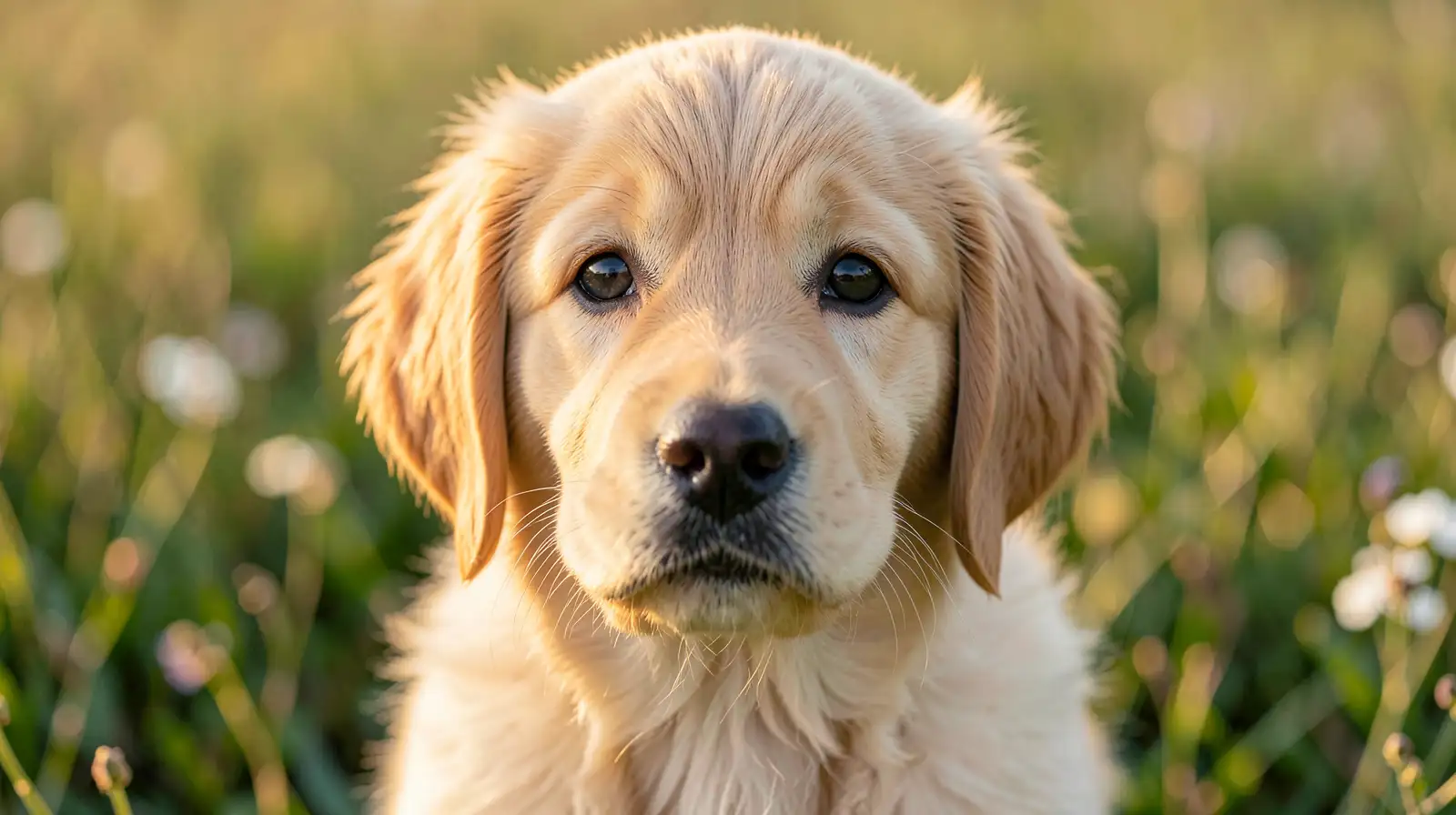
Paw care depends on the weather, route and individual dog. Sensitive dogs may react to unfamiliar surfaces or seasonal irritants. Do not assume every lick signals a serious problem, but pay attention when licking becomes persistent, one paw looks swollen or walking suddenly changes. Ask your vet when signs persist.
Keep the check brief and reward your dog for cooperating. If handling is difficult, build tolerance gradually by touching a leg and paw for a moment, then offering praise or a treat. Never force a painful foot inspection. A dog that growls, snaps or tries to escape may be frightened or uncomfortable, so pause and seek professional guidance if needed.
In cold or wet conditions, grit and road salt can irritate paws. Rinse feet after walks where these substances may be present, then dry them well. Do not apply human creams or essential oils unless your vet confirms they are safe for your dog. Products can be licked off, and some ingredients are unsuitable for pets.
Dog paw care does not need an elaborate kit. Clean water, a towel and a patient check are enough for routine maintenance. Keep nails trimmed appropriately and ask a groomer or vet for help if you are unsure. Small, regular checks help you spot changes early and keep walks comfortable.
Paw care depends on the weather, route and individual dog. Sensitive dogs may react to unfamiliar surfaces or seasonal irritants. Do not assume every lick signals a serious problem, but pay attention when licking becomes persistent, one paw looks swollen or walking suddenly changes. Ask your vet when signs persist.
Check paws after walks
Choose a calm place and gently inspect each paw, including between the toes and around the pads. Look for thorns, small stones, cracks, redness, swelling or broken nails. If mud is caked on, rinse it away with lukewarm water and dry the feet carefully, especially between the toes. Avoid pulling at an object that is deeply embedded or causes obvious pain.You may also like
- Honey bee hives have 'living immune systems' which defend against disease
- It's fine for your child to get bored. Resist the urge to fix it.
- Gold and Silver Prices: Gold Crosses ₹1.5 Lakh; Silver Also Strains Budgets—Will Prices Rise Further After Dussehra?
- What are the rules for carrying alcohol on trains, and when can it lead to imprisonment?
- What is the price of a gas cylinder on October 20? Check the latest rates from Delhi to Patna
Keep the check brief and reward your dog for cooperating. If handling is difficult, build tolerance gradually by touching a leg and paw for a moment, then offering praise or a treat. Never force a painful foot inspection. A dog that growls, snaps or tries to escape may be frightened or uncomfortable, so pause and seek professional guidance if needed.
Adjust care to the weather
Hot pavement can burn paw pads. During warm weather, walk in cooler parts of the day and choose shaded routes where possible. If the ground feels too hot for your hand to rest on comfortably, choose another surface rather than testing your dog's tolerance. Boots may help some dogs, but they need to fit properly and should be introduced gradually.In cold or wet conditions, grit and road salt can irritate paws. Rinse feet after walks where these substances may be present, then dry them well. Do not apply human creams or essential oils unless your vet confirms they are safe for your dog. Products can be licked off, and some ingredients are unsuitable for pets.
Know when a vet is needed
Contact a vet if your dog is limping, refuses to put weight on a foot, has significant bleeding, a deep cut, marked swelling or a damaged nail that will not stop bleeding. Persistent licking, a bad smell or recurring redness also deserves assessment. These signs may have several causes, and home cleaning cannot diagnose the underlying problem.Dog paw care does not need an elaborate kit. Clean water, a towel and a patient check are enough for routine maintenance. Keep nails trimmed appropriately and ask a groomer or vet for help if you are unsure. Small, regular checks help you spot changes early and keep walks comfortable.






Loving Newspoint? Download the app now
