
How To Choose A Doormat That Keeps Dust And Dirt Outside Your Home

The entrance is one of the busiest parts of a home, and outdoor dirt can easily travel from shoes to floors, carpets and rugs. A suitable doormat provides a simple first barrier by collecting loose dust, soil and moisture before people step indoors.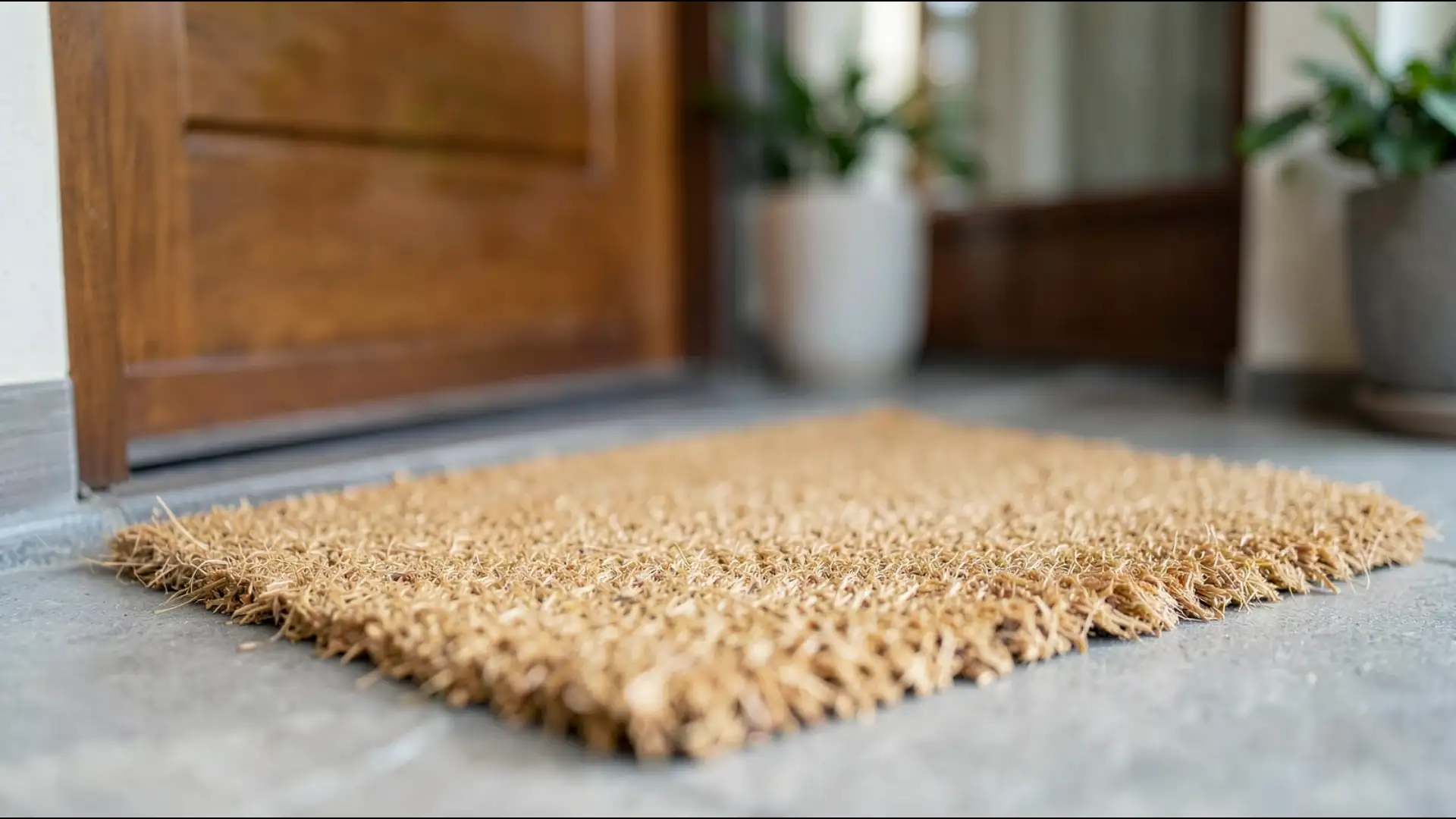
Not every mat performs the same function. Some are designed to scrape mud from footwear, while others absorb water or collect finer particles. Choosing one depends on the entrance layout, weather conditions, household traffic and the amount of cleaning you are prepared to do.
Rubber mats are durable and can be useful in outdoor areas. Their textured surfaces help scrape away dirt, while drainage holes in some designs allow water to pass through. Microfibre and absorbent fabric mats are often better suited to indoor use, where they can collect moisture from wet shoes.
For a wider entrance, a longer mat can provide more coverage. In homes where outdoor shoes are removed at the door, a second indoor mat may help collect remaining moisture and dust.
Place an outdoor scraping mat where it is protected from excessive rain if its material is not designed for continuous wet conditions. Keep the indoor mat on a dry, level surface and make sure its edges remain flat.
Check for frayed edges, damaged backing and persistent dampness. Replace a mat when it becomes difficult to clean or no longer stays securely in place.
A practical doormat does not need an elaborate design. Focus on its material, size, grip and cleaning requirements. Using separate mats for scraping outdoor dirt and absorbing indoor moisture can make the entrance easier to maintain and help reduce the amount of debris carried into the rest of the home.
Not every mat performs the same function. Some are designed to scrape mud from footwear, while others absorb water or collect finer particles. Choosing one depends on the entrance layout, weather conditions, household traffic and the amount of cleaning you are prepared to do.
Understand the different materials
Coir mats are made from natural coconut fibres and have a rough surface that helps remove loose dirt from footwear. They are commonly used outside covered entrances, although prolonged exposure to moisture may affect their condition.Rubber mats are durable and can be useful in outdoor areas. Their textured surfaces help scrape away dirt, while drainage holes in some designs allow water to pass through. Microfibre and absorbent fabric mats are often better suited to indoor use, where they can collect moisture from wet shoes.
Select the right size
A very small mat may not provide enough space for someone to wipe both feet comfortably. Measure the entrance before buying and consider how the door opens. The mat should not block the doorway, curl upwards or create a tripping hazard.You may also like
- Career Options After 12th: Which courses offer the highest salaries, and which path should you choose for your career?
- Rally Casts a Shadow on Diwali Shopping; Delhi Sees a Loss of ₹10,000 Crore
- Who is Dave Obelkevich? Meet the 83-year-old runner, set to complete his 50th NYC Marathon on the race's 50th anniversary
- LPG Demand in the Country Drops by 12%, While Demand for Petrol and Diesel Rise
- SBI's excellent FD schemes: Invest once and receive a fixed monthly income..
For a wider entrance, a longer mat can provide more coverage. In homes where outdoor shoes are removed at the door, a second indoor mat may help collect remaining moisture and dust.
Check the backing and placement
A non-slip backing helps prevent the mat from shifting when someone steps on it. This is particularly important on smooth tiles, polished stone and other slippery surfaces. Check that the backing is suitable for your floor type and does not leave marks.Place an outdoor scraping mat where it is protected from excessive rain if its material is not designed for continuous wet conditions. Keep the indoor mat on a dry, level surface and make sure its edges remain flat.
Clean it regularly
A doormat cannot collect dirt effectively if it is already covered in debris. Shake or vacuum it regularly, following the care instructions for its material. Washable mats should be cleaned and dried thoroughly before being returned to the entrance.Check for frayed edges, damaged backing and persistent dampness. Replace a mat when it becomes difficult to clean or no longer stays securely in place.
A practical doormat does not need an elaborate design. Focus on its material, size, grip and cleaning requirements. Using separate mats for scraping outdoor dirt and absorbing indoor moisture can make the entrance easier to maintain and help reduce the amount of debris carried into the rest of the home.






Loving Newspoint? Download the app now
