
How to Choose the Right Helmet for Your Motorcycle or Scooter

A helmet is one of the most important pieces of protective equipment for anyone travelling on a motorcycle or scooter. However, choosing one should involve more than comparing colours, designs and prices.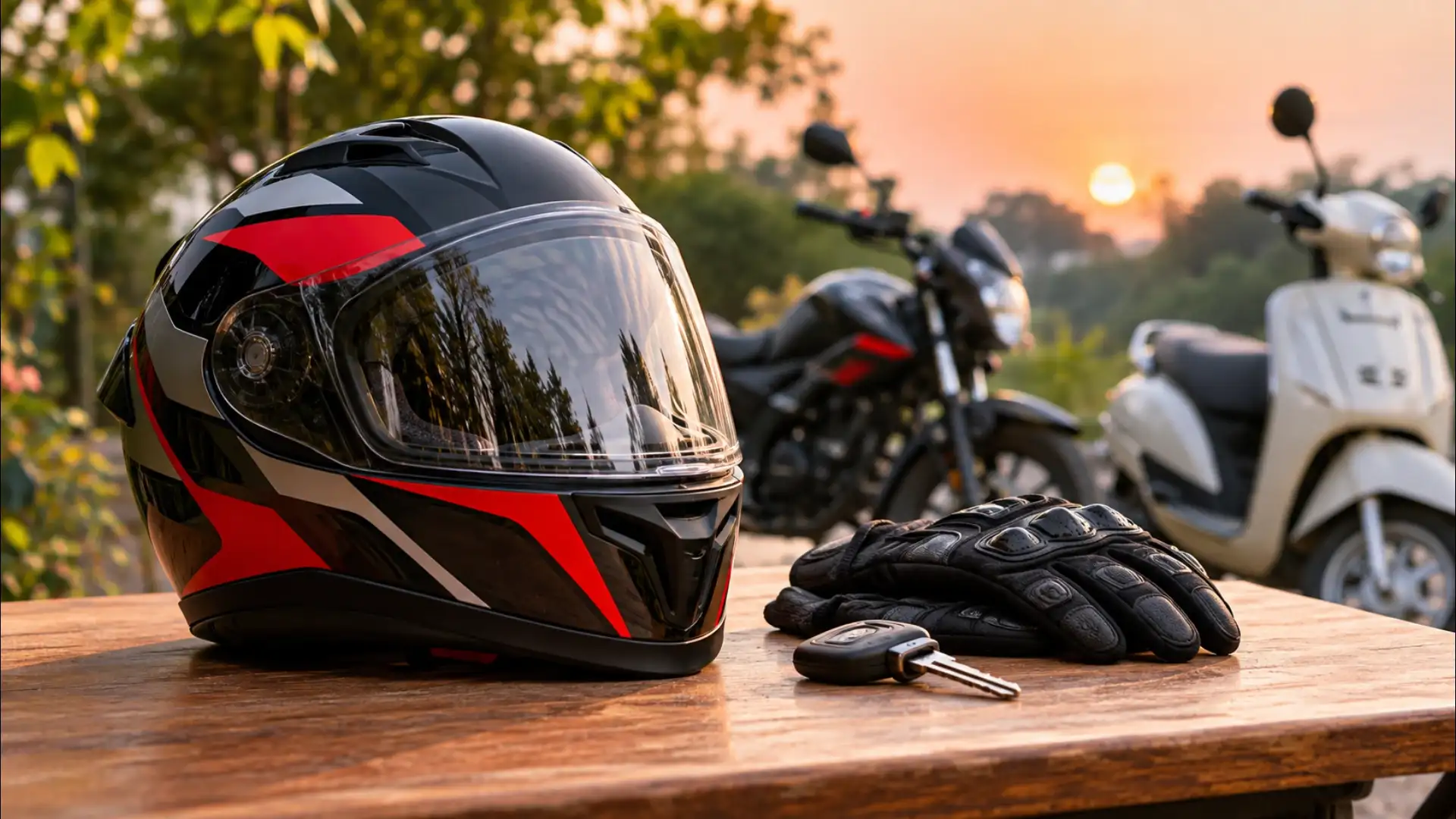
The helmet must meet the relevant Indian safety standard and fit the rider properly. A certified product that is too loose, uncomfortable or incorrectly fastened may not provide the intended level of protection.
The standard addresses requirements relating to materials, construction, workmanship, finish and performance testing. It also covers aspects such as impact absorption and the retention system used to keep the helmet in place.
Bureau of Indian Standards+1
When buying a helmet for motorcycle or scooter use, check for the genuine ISI Standard Mark and the relevant standard number. A certification label should also carry the manufacturer's licence details.
Do not rely only on a printed logo or a seller's verbal assurance. If the licence information is available, it can be checked through the BIS verification services.
Try the helmet on before buying it whenever possible. It should sit level on the head and feel comfortably snug around the forehead and sides.
A helmet that moves excessively when the head is turned may be too loose. At the same time, it should not create painful pressure points.
The cheek padding should hold the helmet securely without making it difficult to put on or remove. If the helmet feels unstable, try another size or model.
Fasten the strap before testing the fit. It should remain secure without causing unnecessary discomfort.
A helmet that is worn without fastening the strap cannot be relied upon to stay in position during an impact. Make it a habit to check the buckle every time before riding.
Check that the lining is comfortable and that removable components, if provided, are attached correctly.
The visor should move smoothly and provide a clear view. Avoid using a helmet with a damaged, loose or badly scratched visor that interferes with visibility.
Buying a used helmet can also be difficult because its previous impact history may not be known. A helmet that appears undamaged may still have experienced an incident that affected its protective structure.
Follow the manufacturer's instructions for inspection, cleaning and replacement. Replace a helmet that has sustained a significant impact or shows signs of damage.
Taking time to verify the standard, check the fit and inspect the strap can help buyers make a more informed choice.
The helmet must meet the relevant Indian safety standard and fit the rider properly. A certified product that is too loose, uncomfortable or incorrectly fastened may not provide the intended level of protection.
Check the certification mark
The Bureau of Indian Standards has published IS 4151 :2015, which covers protective helmets for two-wheeler riders.The standard addresses requirements relating to materials, construction, workmanship, finish and performance testing. It also covers aspects such as impact absorption and the retention system used to keep the helmet in place.
Bureau of Indian Standards+1
When buying a helmet for motorcycle or scooter use, check for the genuine ISI Standard Mark and the relevant standard number. A certification label should also carry the manufacturer's licence details.
Do not rely only on a printed logo or a seller's verbal assurance. If the licence information is available, it can be checked through the BIS verification services.
Get the right fit
Helmet size is not the same for every person. A product labelled medium by one manufacturer may feel different from a medium-sized model made by another.Try the helmet on before buying it whenever possible. It should sit level on the head and feel comfortably snug around the forehead and sides.
A helmet that moves excessively when the head is turned may be too loose. At the same time, it should not create painful pressure points.
The cheek padding should hold the helmet securely without making it difficult to put on or remove. If the helmet feels unstable, try another size or model.
Examine the chin strap
The retention system helps keep the helmet in place. Check that the strap is attached properly, the buckle works and the material does not show signs of damage.Fasten the strap before testing the fit. It should remain secure without causing unnecessary discomfort.
A helmet that is worn without fastening the strap cannot be relied upon to stay in position during an impact. Make it a habit to check the buckle every time before riding.
Inspect the shell and padding
Look for cracks, dents, loose parts or signs of poor construction. The outer shell should not have visible damage, and the inner protective padding should sit properly.Check that the lining is comfortable and that removable components, if provided, are attached correctly.
The visor should move smoothly and provide a clear view. Avoid using a helmet with a damaged, loose or badly scratched visor that interferes with visibility.
Avoid choosing only by appearance
Bright colours, graphics and decorative features may influence a purchase, but they should not take priority over certification and fit.Buying a used helmet can also be difficult because its previous impact history may not be known. A helmet that appears undamaged may still have experienced an incident that affected its protective structure.
Follow the manufacturer's instructions for inspection, cleaning and replacement. Replace a helmet that has sustained a significant impact or shows signs of damage.
Make safety part of every ride
A properly selected helmet should be worn and fastened on every journey, including short trips. Riders should also ensure that the helmet is suitable for the intended two-wheeler use.Taking time to verify the standard, check the fit and inspect the strap can help buyers make a more informed choice.
Next Story