
How to Find Shoes That Feel Better During Long Working Hours

Standing for much of the working day can place repeated pressure on the feet and lower limbs. Retail staff, teachers, healthcare workers and people in hospitality may spend hours moving between tasks with few opportunities to sit down. Footwear cannot remove every source of discomfort, but an appropriate fit and suitable construction can make a difference.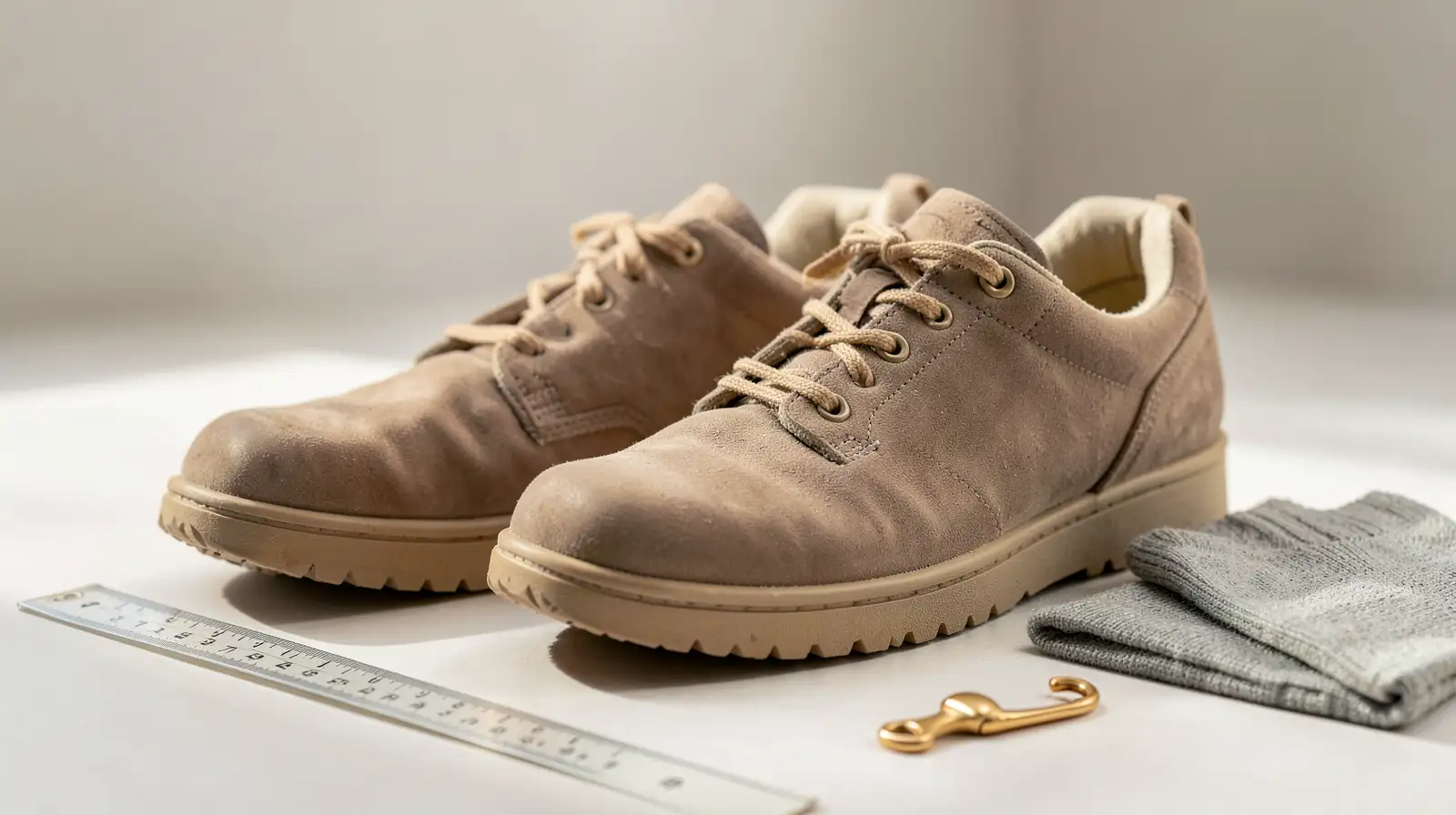
The best choice depends on the individual's feet, workplace and daily movements. A shoe that feels comfortable during a short shop visit may not remain comfortable throughout a full shift. Trying footwear carefully and considering the conditions in which it will be used is more useful than choosing a pair based on appearance or a single feature.
The heel should feel secure without rubbing. Avoid footwear that pinches across the widest part of the foot or presses against the toes. Do not assume that a tight pair will stretch enough to become comfortable.
If your feet differ in size, choose a fit that accommodates the larger foot. Walk around the shop for several minutes and pay attention to pressure points, slipping and any unusual sensation.
Look for a sole that bends where your foot naturally bends and provides a stable platform for standing and walking. The shoe should not feel excessively loose or unstable when you turn or change direction.
If your workplace involves wet floors, oil or other slippery surfaces, check the footwear requirements and choose an appropriate slip-resistant design. In environments requiring protective footwear, follow the employer's safety rules rather than prioritising ordinary trainers.
If you use prescribed orthotics, take them along when trying shoes and check that they fit properly. Do not assume that every shoe will accommodate them.
People with persistent foot pain, numbness, swelling or recurring skin problems should seek advice from a qualified healthcare professional. A different shoe may help, but ongoing symptoms can have causes that require assessment.
Where the job allows it, change position, take scheduled breaks and use opportunities to sit briefly. Footwear is one part of managing long periods of standing; movement, rest and a suitable work setup also matter.
The best choice depends on the individual's feet, workplace and daily movements. A shoe that feels comfortable during a short shop visit may not remain comfortable throughout a full shift. Trying footwear carefully and considering the conditions in which it will be used is more useful than choosing a pair based on appearance or a single feature.
Get the fit right
Try shoes later in the day if your feet tend to swell as the hours pass. Wear the type of socks you normally use at work, and check that your toes have enough room to move without the foot sliding excessively inside the shoe.The heel should feel secure without rubbing. Avoid footwear that pinches across the widest part of the foot or presses against the toes. Do not assume that a tight pair will stretch enough to become comfortable.
If your feet differ in size, choose a fit that accommodates the larger foot. Walk around the shop for several minutes and pay attention to pressure points, slipping and any unusual sensation.
Consider cushioning and stability
Soft cushioning may feel pleasant initially, but the most suitable level varies from person to person. Some workers prefer a more cushioned sole, while others feel steadier in footwear with a firmer base.Look for a sole that bends where your foot naturally bends and provides a stable platform for standing and walking. The shoe should not feel excessively loose or unstable when you turn or change direction.
If your workplace involves wet floors, oil or other slippery surfaces, check the footwear requirements and choose an appropriate slip-resistant design. In environments requiring protective footwear, follow the employer's safety rules rather than prioritising ordinary trainers.
Match shoes to the working environment
A breathable upper may be useful in warm conditions, while a durable material can suit jobs involving frequent movement. Fastenings should keep the foot secure without creating uncomfortable pressure.If you use prescribed orthotics, take them along when trying shoes and check that they fit properly. Do not assume that every shoe will accommodate them.
People with persistent foot pain, numbness, swelling or recurring skin problems should seek advice from a qualified healthcare professional. A different shoe may help, but ongoing symptoms can have causes that require assessment.
Maintain comfort during long shifts
Alternate between suitable pairs when practical, and replace footwear when the sole becomes uneven, damaged or noticeably less supportive. Keep shoes clean and dry according to the manufacturer's care guidance.Where the job allows it, change position, take scheduled breaks and use opportunities to sit briefly. Footwear is one part of managing long periods of standing; movement, rest and a suitable work setup also matter.
Next Story