
How to Choose, Eat and Store Fresh Custard Apples at Home

Custard apple is known for its creamy pulp and naturally sweet flavour, making it a popular choice when the fruit comes into season. Its soft texture can be enjoyed on its own, while the flesh can also be used in simple desserts and homemade fruit preparations. Choosing a ripe fruit makes a noticeable difference to both taste and texture.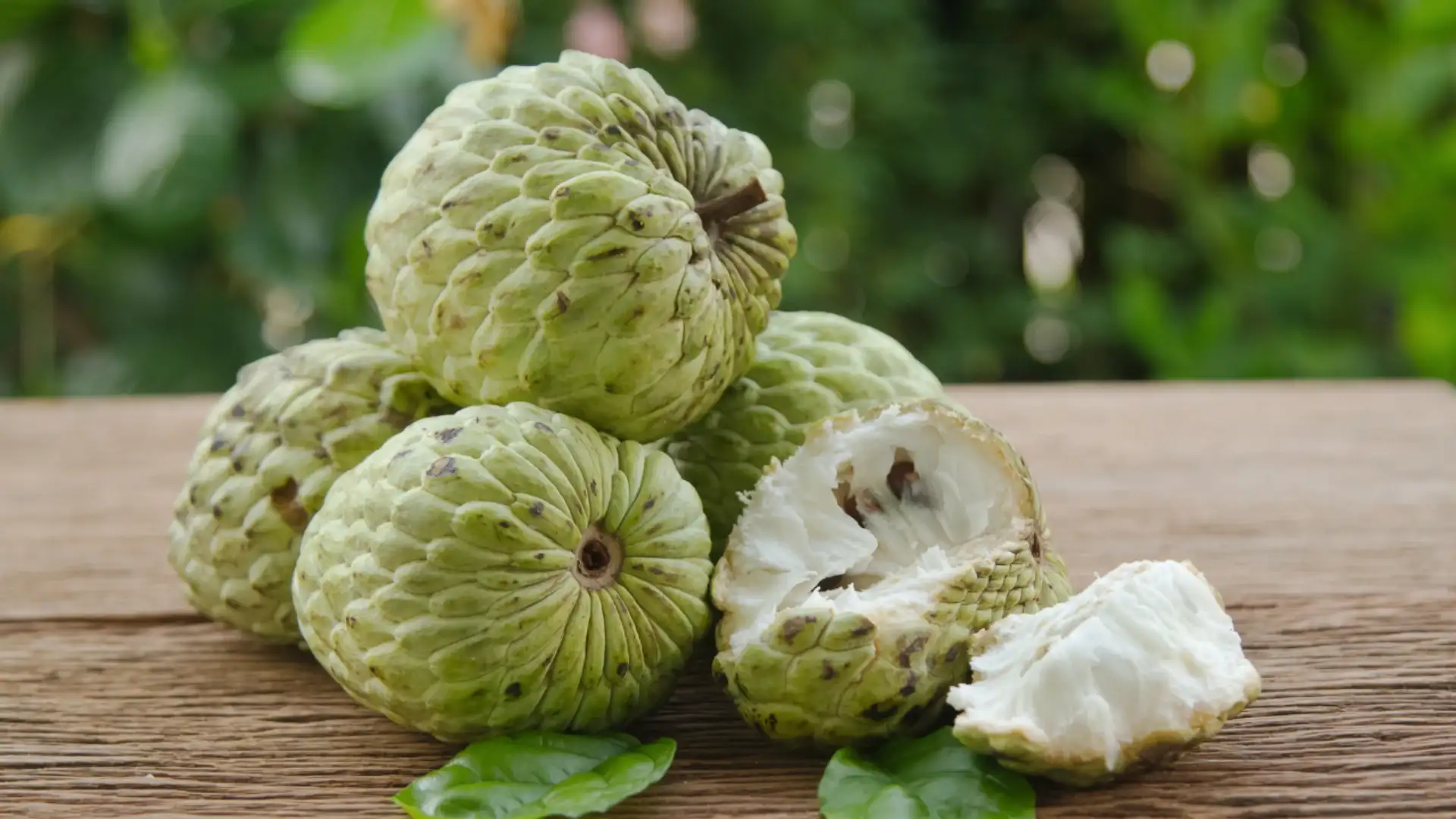
Although custard apple supplies nutrients, it is best treated as one part of a varied diet rather than a food that delivers every nutritional benefit by itself. A few simple checks can help you select good fruit, prepare it safely and avoid wasting any that ripens before you are ready to eat it.
The exact nutrient content depends on the variety, size and amount of flesh eaten. No single fruit can replace a balanced eating pattern that includes different fruits, vegetables, pulses, whole grains and other nourishing foods.
If the fruit is firm but otherwise sound, leave it at room temperature and check it periodically. Ripening time varies, so there is no need to squeeze it repeatedly or press hard enough to damage the skin.
For a simple snack, serve the pulp chilled. It can also be mixed with plain yoghurt or added to a homemade fruit bowl. Avoid adding large quantities of sugar, which can make an already sweet preparation unnecessarily sugary.
Discard fruit that develops mould, an unusual odour or a fermented taste. With careful selection and handling, custard apple can be an enjoyable seasonal addition to everyday meals.
Although custard apple supplies nutrients, it is best treated as one part of a varied diet rather than a food that delivers every nutritional benefit by itself. A few simple checks can help you select good fruit, prepare it safely and avoid wasting any that ripens before you are ready to eat it.
What custard apple offers nutritionally
Custard apple contains carbohydrates that provide energy, along with dietary fibre and small amounts of vitamins and minerals. Its natural sweetness makes it an option for people who enjoy fruit as a snack, but portion size still matters, particularly for anyone managing blood glucose levels.The exact nutrient content depends on the variety, size and amount of flesh eaten. No single fruit can replace a balanced eating pattern that includes different fruits, vegetables, pulses, whole grains and other nourishing foods.
How to identify a ripe fruit
Examine the outer skin for signs of freshness. A custard apple that yields slightly to gentle pressure is generally closer to being ready to eat than one that feels completely hard. Avoid fruit with extensive mould, leaking areas or a strong fermented smell.You may also like
- She bought a ₹200 coupon at a Garba event and wrote her 6-year-old grandson's name on it; a year later, grandmother Kiran Raikwar's family received the ₹50 lakh SUV they had dreamed of owning for years
- In 2018, Andhra Pradesh's Singampalli Parwathi borrowed Rs 20,000 to trade raw cashews; today she processes 11 grades of cashew kernels and reports annual business turnover near Rs 50 lakh
- Peter Marino named CFDA's 2026 'Fashion Icon' for his bold influence on luxury fashion
If the fruit is firm but otherwise sound, leave it at room temperature and check it periodically. Ripening time varies, so there is no need to squeeze it repeatedly or press hard enough to damage the skin.
Prepare and serve it properly
Wash the fruit's exterior before cutting or opening it. Separate the flesh with a clean spoon and remove every seed carefully before serving. The seeds are not edible, so children should be supervised while eating the fruit to reduce the risk of accidental swallowing.For a simple snack, serve the pulp chilled. It can also be mixed with plain yoghurt or added to a homemade fruit bowl. Avoid adding large quantities of sugar, which can make an already sweet preparation unnecessarily sugary.
Storage tips to reduce waste
Keep unripe fruit in a dry place at room temperature until it softens. Once ripe, refrigerate it if you are not planning to eat it immediately. Place leftover pulp in a clean, covered container and refrigerate promptly.Discard fruit that develops mould, an unusual odour or a fermented taste. With careful selection and handling, custard apple can be an enjoyable seasonal addition to everyday meals.






Loving Newspoint? Download the app now
