
Powder, Cream or Liquid? How Beginners Can Choose the Right Eyeshadow Formula

Choosing eyeshadow can feel confusing when beauty counters offer powder palettes, cream pots, liquid colours and stick formulas. Each type has a different texture, finish and application method, so the best option depends on your comfort level and the look you want to create. Beginners do not need a large collection or professional tools to get started. A suitable formula should be easy to apply, blend without too much effort and fit naturally into your everyday routine. By understanding how different eyeshadow types behave on the eyelids, you can make a more informed choice and build confidence with simple eye makeup.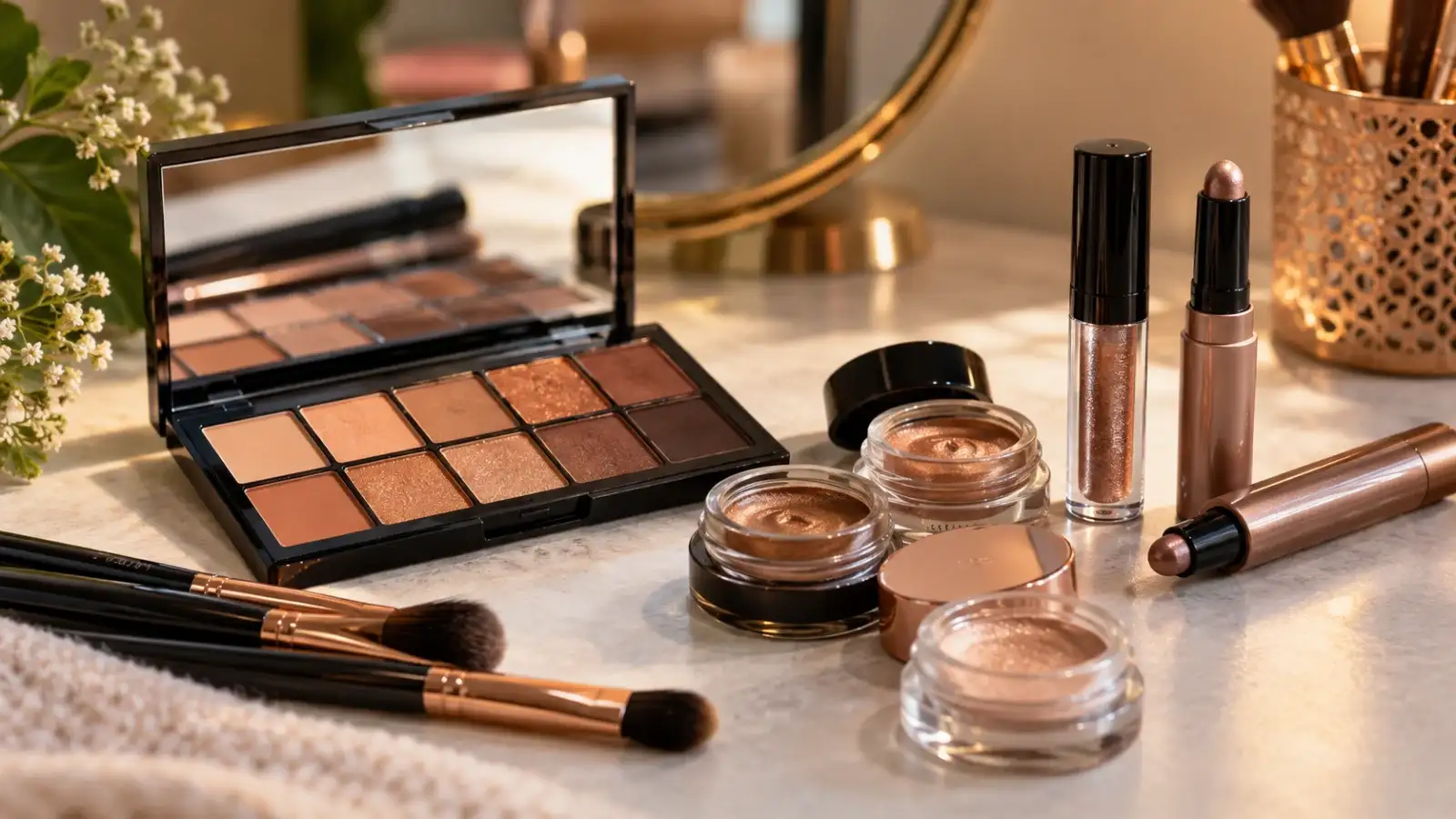
Its main advantage is that you can build colour gradually. Start with a small amount, blend it across the eyelid and add more pigment if needed. This makes powder particularly useful when you are learning how to create soft, natural looks.
Matte shades are generally easier to use for subtle definition, while shimmer shades can add brightness to the centre of the eyelid. A fluffy blending brush helps soften harsh edges, although some powder formulas can also be applied with clean fingertips.
If you are buying your first palette, choose a small selection of wearable shades rather than a large collection with colours you may rarely use.
Cream eyeshadows are useful for quick, one-colour looks. You can spread a small amount over the eyelid and blend the edges with your finger before the product sets.
However, some cream formulas remain slightly tacky, crease easily or move around on oily eyelids. Others are designed to set into a longer-lasting finish. Check the product description and, if possible, test how it feels before purchasing.
Beginners may find a neutral cream shade easier to manage than a highly pigmented formula that dries quickly.
Its main appeal is convenience. Some liquid eyeshadows can be applied directly from the applicator and blended with a fingertip or brush.
The challenge is that certain formulas dry quickly, leaving less time to correct mistakes. Others may require a thin application to prevent patchiness or discomfort.
If you are new to liquid eyeshadow, begin with a small amount and work on one eyelid at a time. Choose a formula that allows enough blending time, particularly if you prefer soft, everyday makeup.
A neutral brown, champagne or soft bronze stick can create a simple look without requiring a full palette. Some sticks are creamy and easy to blend, while others set quickly and offer stronger staying power.
Avoid drawing a thick layer across the entire eyelid straight away. Apply a small amount, blend it gently and build the colour gradually. Keep the cap closed between uses to prevent the product from drying out.
If your eyelids are oily, powder formulas or cream-to-powder products that set well may be easier to manage. An eyeshadow primer can also help reduce creasing, although the result depends on the product and your skin.
If your eyelids are dry, a comfortable cream formula may work well, provided it does not settle into fine lines or feel tight. Avoid rubbing the delicate skin around the eyes when applying or removing makeup.
For sensitive eyes, consider fragrance-free products designed for the eye area and check the ingredient list. No formula is guaranteed to suit everyone. Stop using a product if it causes persistent irritation, redness or watering.
Matte finishes are useful for creating depth and soft definition, while shimmer can add a highlight to the eyelid. You do not need to match eyeshadow precisely to your eye colour or clothing. Choose shades you enjoy wearing and feel comfortable applying.
A compact palette with a light shade, a medium transition colour and a deeper shade is often enough to practise several simple looks.
For an all-round beginner option, a small powder palette offers flexibility and room to practise blending. Cream eyeshadow sticks are convenient for quick application, while liquid formulas may suit those who prefer metallic or more noticeable finishes.
Check the packaging, expiry guidance and instructions for use. Use products specifically intended for the eye area, avoid sharing eye makeup and remove it gently at the end of the day.
The best eyeshadow formula for a beginner is one that feels comfortable, suits your eyelids and is easy to control. Powder eyeshadow offers flexibility for learning to blend, cream formulas can simplify quick looks, liquid products provide striking finishes and sticks are convenient for everyday use. Start with a few neutral shades and practise applying thin layers before experimenting with more complex styles. You do not need expensive products or professional techniques to create neat, attractive eye makeup.
1. Powder Eyeshadow: A Good Starting Point
Powder eyeshadow is one of the most common options for beginners. It comes in individual shades and palettes, with finishes ranging from matte and satin to shimmer and metallic.Its main advantage is that you can build colour gradually. Start with a small amount, blend it across the eyelid and add more pigment if needed. This makes powder particularly useful when you are learning how to create soft, natural looks.
Matte shades are generally easier to use for subtle definition, while shimmer shades can add brightness to the centre of the eyelid. A fluffy blending brush helps soften harsh edges, although some powder formulas can also be applied with clean fingertips.
If you are buying your first palette, choose a small selection of wearable shades rather than a large collection with colours you may rarely use.
2. Cream Eyeshadow: Convenient for Quick Makeup
Cream eyeshadow has a soft, creamy texture and is often sold in pots, tubes or small palettes. Many formulas can be applied with a fingertip, making them convenient for people who do not want to use several brushes.Cream eyeshadows are useful for quick, one-colour looks. You can spread a small amount over the eyelid and blend the edges with your finger before the product sets.
However, some cream formulas remain slightly tacky, crease easily or move around on oily eyelids. Others are designed to set into a longer-lasting finish. Check the product description and, if possible, test how it feels before purchasing.
Beginners may find a neutral cream shade easier to manage than a highly pigmented formula that dries quickly.
3. Liquid Eyeshadow: Best for Controlled Statement Looks
Liquid eyeshadow usually comes in a tube with an applicator. Depending on the formula, it may create a sheer wash of colour, a metallic finish or a more dramatic effect.Its main appeal is convenience. Some liquid eyeshadows can be applied directly from the applicator and blended with a fingertip or brush.
The challenge is that certain formulas dry quickly, leaving less time to correct mistakes. Others may require a thin application to prevent patchiness or discomfort.
If you are new to liquid eyeshadow, begin with a small amount and work on one eyelid at a time. Choose a formula that allows enough blending time, particularly if you prefer soft, everyday makeup.
4. Eyeshadow Sticks: Simple and Portable
Eyeshadow sticks are designed for direct application, which makes them a practical option for beginners and travellers. They usually glide across the eyelid and can be blended with a fingertip or brush.A neutral brown, champagne or soft bronze stick can create a simple look without requiring a full palette. Some sticks are creamy and easy to blend, while others set quickly and offer stronger staying power.
Avoid drawing a thick layer across the entire eyelid straight away. Apply a small amount, blend it gently and build the colour gradually. Keep the cap closed between uses to prevent the product from drying out.
5. Choose a Formula Based on Your Eyelids
Your eyelid condition can influence how eyeshadow looks and lasts.If your eyelids are oily, powder formulas or cream-to-powder products that set well may be easier to manage. An eyeshadow primer can also help reduce creasing, although the result depends on the product and your skin.
If your eyelids are dry, a comfortable cream formula may work well, provided it does not settle into fine lines or feel tight. Avoid rubbing the delicate skin around the eyes when applying or removing makeup.
You may also like
- Egyptian Sphinx: Fossils Near Reveal Ancient Gharial Crocodile
- Just 30 Minutes Every Morning Can Transform Your Health: 5 Simple Habits to Start Your Day Right
- Bengaluru cost of living: Techie earning Rs 1.5 lakh a month claims he saves just Rs 15,000; here's why
- Pollution Alert for Parents: 7 Warning Signs in Children You Should Never Ignore and How to Protect Them
- Meet the 13-year-old in Abu Dhabi balancing schoolwork and running his own café
For sensitive eyes, consider fragrance-free products designed for the eye area and check the ingredient list. No formula is guaranteed to suit everyone. Stop using a product if it causes persistent irritation, redness or watering.
6. Pick Colours and Finishes That Are Easy to Work With
Beginners often benefit from a small selection of neutral shades. Beige, taupe, soft brown and muted bronze can be used for everyday makeup without requiring complicated techniques.Matte finishes are useful for creating depth and soft definition, while shimmer can add a highlight to the eyelid. You do not need to match eyeshadow precisely to your eye colour or clothing. Choose shades you enjoy wearing and feel comfortable applying.
A compact palette with a light shade, a medium transition colour and a deeper shade is often enough to practise several simple looks.
7. Make Your First Eyeshadow Purchase Count
Before buying a product, think about how often you will use it, whether you prefer brushes or fingertips and how much time you want to spend on makeup.For an all-round beginner option, a small powder palette offers flexibility and room to practise blending. Cream eyeshadow sticks are convenient for quick application, while liquid formulas may suit those who prefer metallic or more noticeable finishes.
Check the packaging, expiry guidance and instructions for use. Use products specifically intended for the eye area, avoid sharing eye makeup and remove it gently at the end of the day.
The best eyeshadow formula for a beginner is one that feels comfortable, suits your eyelids and is easy to control. Powder eyeshadow offers flexibility for learning to blend, cream formulas can simplify quick looks, liquid products provide striking finishes and sticks are convenient for everyday use. Start with a few neutral shades and practise applying thin layers before experimenting with more complex styles. You do not need expensive products or professional techniques to create neat, attractive eye makeup.






Loving Newspoint? Download the app now
