
Which Flowering Plants Suit Your Home? A Beginner's Guide

A balcony filled with flowers can make a home feel more inviting, but choosing plants simply because they look attractive in a nursery may not always work. Different flowering plants need different amounts of sunlight, water and space.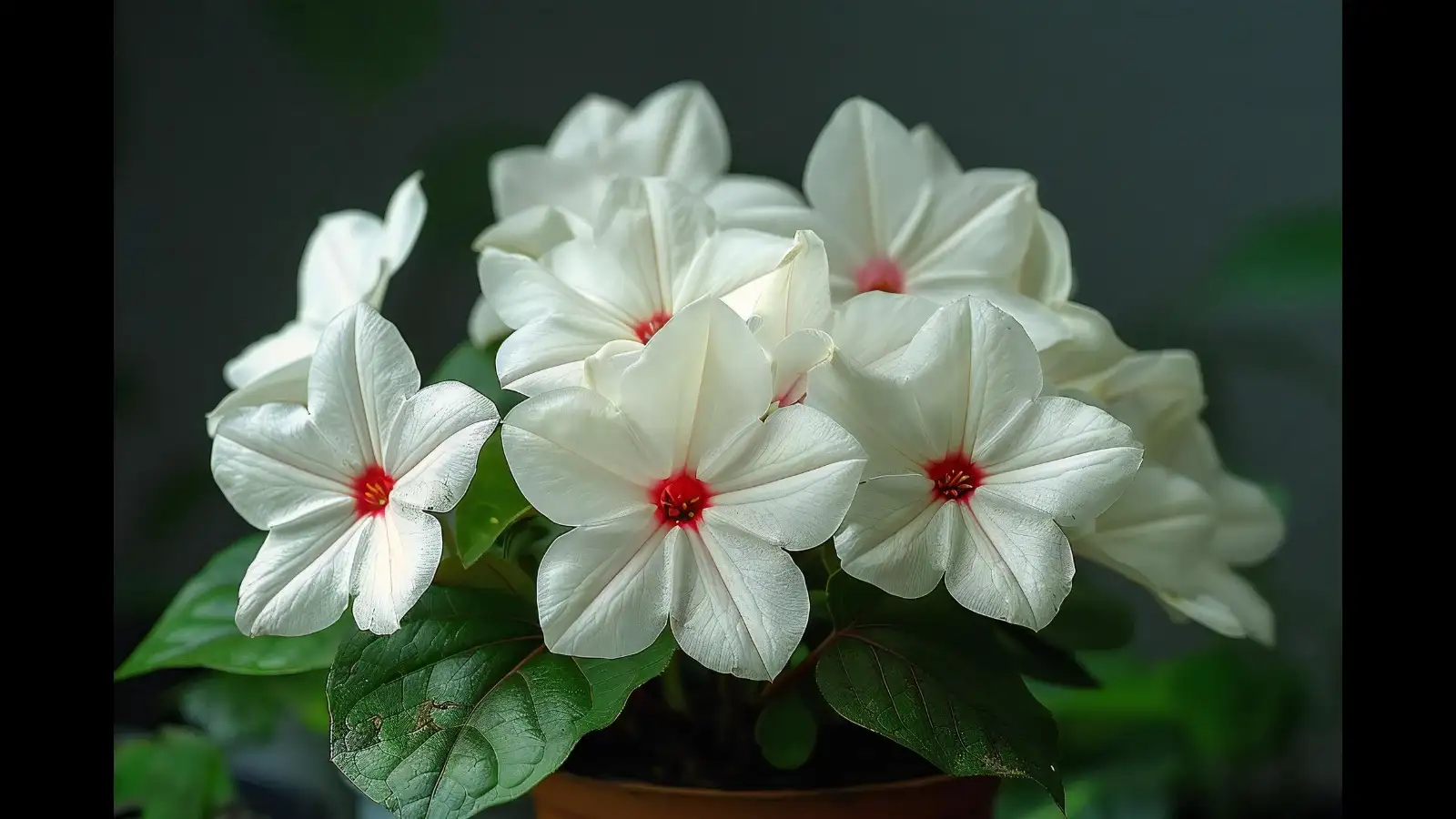
The easiest way to build a colourful garden is to understand your growing conditions first and select plants that can thrive in them.
Some flowering plants grow well in several hours of direct sunshine, while others prefer partial shade. A balcony that receives strong afternoon sunlight may need different plants from one that gets only gentle morning light.
Observe the space at different times of day. Buildings, neighbouring balconies and overhead coverings can significantly change the amount of light available.
When purchasing a plant, read its label or ask the nursery about its light requirements. This simple step can prevent many avoidable problems.
Check the mature size of a plant rather than judging it by the size of the nursery pot. Some varieties spread widely or develop extensive roots as they grow.
Hanging planters can help make use of vertical space, provided the fixtures are secure and the building permits them. Window boxes and tiered stands are other options, but leave enough room for comfortable movement and safe access.
Avoid overcrowding pots. Plants need adequate space for growth and airflow, and tightly packed containers can make watering and maintenance difficult.
Ask local nursery staff which flowering varieties suit your area and the time of year. Marigolds, petunias, vincas and zinnias are examples worth exploring, although their suitability depends on local conditions and the specific variety.
Choose a combination of plants with different flowering periods if you want colour across several months. Check seed packets or plant labels for sowing and flowering information.
Watering frequency depends on the species, pot size, growing medium, weather and sunlight. Instead of following a rigid daily schedule, check the soil and the plant's requirements.
Use a suitable potting mix rather than relying entirely on dense garden soil. Different plants may need different growing media, so follow reliable plant-specific guidance.
Remove faded flowers when appropriate for the variety, inspect leaves regularly and clean pots when needed. Keep gardening tools organised and label plants whose care requirements differ.
A beautiful home garden does not depend on having dozens of pots. A few well-chosen flowering plants, placed in suitable conditions and cared for consistently, can create an attractive space without making gardening feel like a daily burden.
The easiest way to build a colourful garden is to understand your growing conditions first and select plants that can thrive in them.
Observe the sunlight before buying plants
Start by checking how much direct sunlight reaches your balcony, windowsill or garden.Some flowering plants grow well in several hours of direct sunshine, while others prefer partial shade. A balcony that receives strong afternoon sunlight may need different plants from one that gets only gentle morning light.
Observe the space at different times of day. Buildings, neighbouring balconies and overhead coverings can significantly change the amount of light available.
When purchasing a plant, read its label or ask the nursery about its light requirements. This simple step can prevent many avoidable problems.
Match the plant to your available space
A large garden offers more freedom to grow shrubs and spreading plants. Smaller balconies generally benefit from compact varieties that can be maintained in pots.Check the mature size of a plant rather than judging it by the size of the nursery pot. Some varieties spread widely or develop extensive roots as they grow.
Hanging planters can help make use of vertical space, provided the fixtures are secure and the building permits them. Window boxes and tiered stands are other options, but leave enough room for comfortable movement and safe access.
You may also like
- Chennai gets bedazzled: A little glue, a lot of glam
- “Kim taught me multitasking, Kylie taught me…”: Kris Jenner reveals what each of her six children taught her
- 'Dubai became my second home': Turkish Consul General bids farewell with a taste of home
- Travel Guide: These 7 places in India look like they're abroad—you won't believe it whenyou see the photos..
- Karwa Chauth 2026: First Karwa Chauth after marriage? New brides must avoid these mistakes..
Avoid overcrowding pots. Plants need adequate space for growth and airflow, and tightly packed containers can make watering and maintenance difficult.
Consider the growing season
Flowering patterns depend on the plant variety, local climate and growing conditions. A plant that blooms well in one season may struggle during extreme heat or prolonged rain.Ask local nursery staff which flowering varieties suit your area and the time of year. Marigolds, petunias, vincas and zinnias are examples worth exploring, although their suitability depends on local conditions and the specific variety.
Choose a combination of plants with different flowering periods if you want colour across several months. Check seed packets or plant labels for sowing and flowering information.
Understand watering and drainage
Containers need drainage holes so excess water can escape. Without adequate drainage, water may collect around the roots and affect plant growth.Watering frequency depends on the species, pot size, growing medium, weather and sunlight. Instead of following a rigid daily schedule, check the soil and the plant's requirements.
Use a suitable potting mix rather than relying entirely on dense garden soil. Different plants may need different growing media, so follow reliable plant-specific guidance.
Keep maintenance manageable
If you are new to gardening, begin with a small number of plants. Learn how they respond to your balcony's conditions before expanding the collection.Remove faded flowers when appropriate for the variety, inspect leaves regularly and clean pots when needed. Keep gardening tools organised and label plants whose care requirements differ.
A beautiful home garden does not depend on having dozens of pots. A few well-chosen flowering plants, placed in suitable conditions and cared for consistently, can create an attractive space without making gardening feel like a daily burden.






Loving Newspoint? Download the app now
