
How To Choose Sweet Lime, Store It Properly And Make The Most Of Its Mild Flavour

Sweet lime, commonly called mosambi in India, is known for its mild taste and refreshing juice. Its gentle sweetness makes it appealing to people who find some citrus fruits too sharp. The fruit also supplies water and vitamin C, making it a useful addition to a varied daily fruit selection.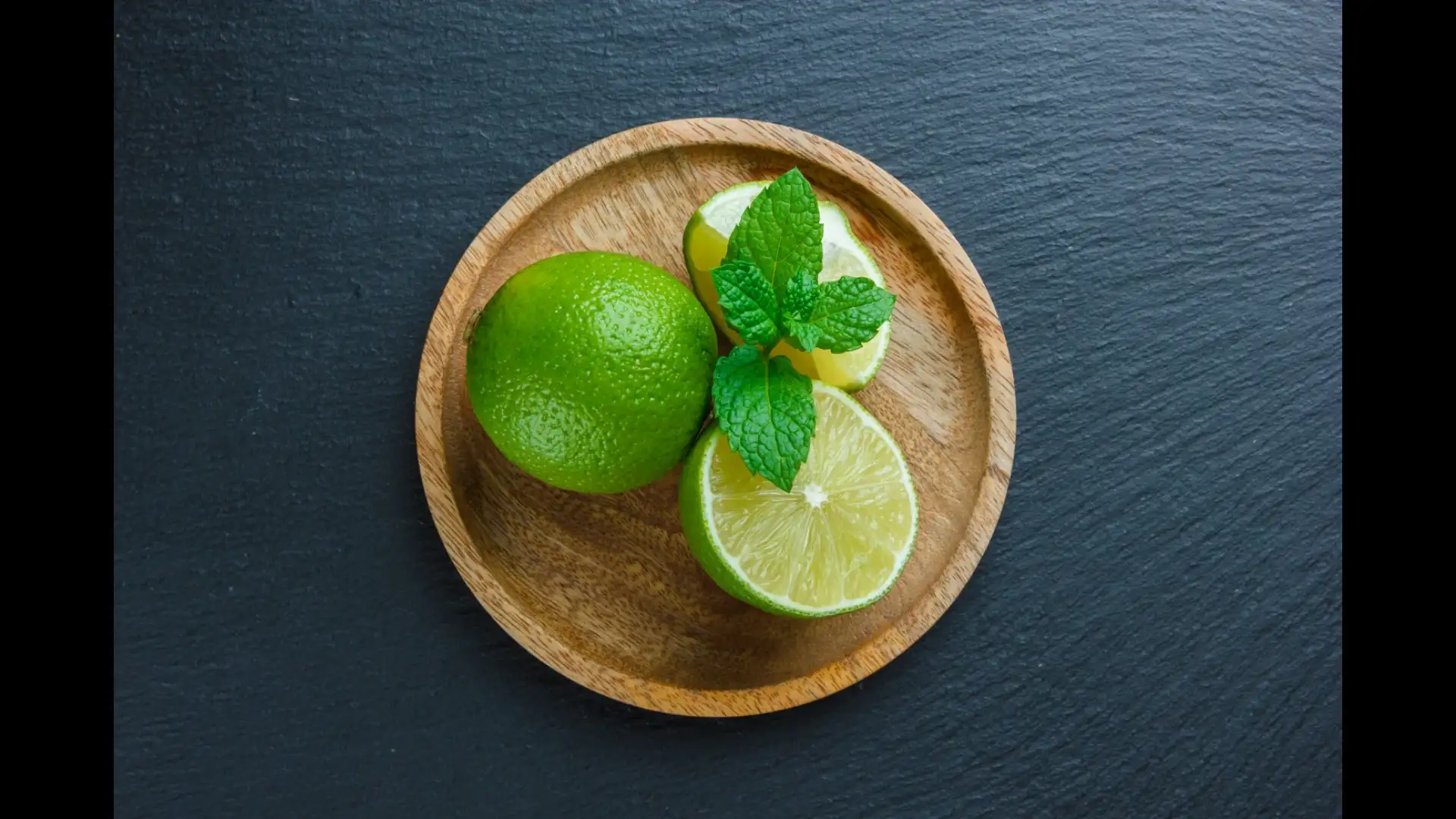
Although sweet lime is often served as juice, eating the whole fruit offers a different experience. The edible segments provide fibre that is reduced when the fruit is squeezed and strained. Understanding its nutritional value, choosing good-quality fruit and storing it correctly can help make better use of this familiar citrus variety.
One of the practical sweet lime benefits is its contribution to fluid intake. However, it should not replace plain water, particularly during hot weather or physical activity. Its natural sugar content also means that juice portions deserve attention, especially when several fruits are squeezed into one glass.
For a simple snack, peel the fruit and separate it into segments. Add a few pieces to a fruit bowl with papaya or pomegranate, or serve them alongside breakfast. The mild flavour also works in a citrus salad with cucumber and fresh mint.
Store whole fruit in a cool place for short-term use or refrigerate it to extend freshness. Once peeled or cut, keep the pieces covered and chilled, and consume them promptly. Wash the outside before cutting so that dirt on the skin does not transfer to the edible portion.
Sweet lime benefits are best understood as part of an overall balanced diet, not as a treatment for illness. Enjoy the fruit whole when possible, vary it with other seasonal produce and avoid adding sugar to its juice. Its refreshing flavour makes it an easy everyday option without requiring complicated preparation.
Although sweet lime is often served as juice, eating the whole fruit offers a different experience. The edible segments provide fibre that is reduced when the fruit is squeezed and strained. Understanding its nutritional value, choosing good-quality fruit and storing it correctly can help make better use of this familiar citrus variety.
What nutrients does sweet lime provide?
Sweet lime contains water, natural sugars and vitamin C. This vitamin supports normal immune function, collagen formation and the body's absorption of iron from plant-based foods. The fruit also contains small amounts of other vitamins and minerals, although the exact quantities vary with size and growing conditions.You may also like
- Men's skincare beyond the beard: Why healthy skin is the new grooming essential
- 'Cinema has always been a mirror and a window. At the 31st EU film festival, it's also a bridge'
- Place these items nearby when lighting lamps on Diwali; it will bring happiness and prosperity to your home..
- Is Diwali on November 8 or 9? Find out the date, the Amavasya Tithi, and the auspicious timings for the worship..
- In 1992, two people began collecting Auroville's waste using a cycle rickshaw; more than three decades later, an 11-member team says it diverts almost 80% of collected rubbish from landfills by sorting it
One of the practical sweet lime benefits is its contribution to fluid intake. However, it should not replace plain water, particularly during hot weather or physical activity. Its natural sugar content also means that juice portions deserve attention, especially when several fruits are squeezed into one glass.
Whole fruit or juice?
Eating peeled sweet lime provides the segments and their natural fibre. Fibre supports normal digestion and can help make a snack more satisfying. Juice is convenient, but squeezing removes much of the fruit's solid material, particularly when the pulp is strained.For a simple snack, peel the fruit and separate it into segments. Add a few pieces to a fruit bowl with papaya or pomegranate, or serve them alongside breakfast. The mild flavour also works in a citrus salad with cucumber and fresh mint.
Choosing and storing the fruit
Select sweet limes that feel heavy for their size and have firm skin without soft, damaged patches. A slightly green appearance does not necessarily mean the fruit is unripe, as colour varies between varieties. Avoid specimens with mould, leaking areas or an unpleasant smell.Store whole fruit in a cool place for short-term use or refrigerate it to extend freshness. Once peeled or cut, keep the pieces covered and chilled, and consume them promptly. Wash the outside before cutting so that dirt on the skin does not transfer to the edible portion.
Sweet lime benefits are best understood as part of an overall balanced diet, not as a treatment for illness. Enjoy the fruit whole when possible, vary it with other seasonal produce and avoid adding sugar to its juice. Its refreshing flavour makes it an easy everyday option without requiring complicated preparation.






Loving Newspoint? Download the app now
