
How to Choose the Right Travel Backpack for Your Packing Style and Trip Length

Choosing a travel backpack is not simply about picking the largest bag or the one with the most compartments. The right option depends on how long you travel, what you carry, how you move between destinations and whether you prefer travelling light. A backpack that works for a weekend city break may feel uncomfortable on a week-long hiking trip. Similarly, a large trekking bag can become inconvenient when navigating crowded streets or boarding public transport. Understanding your packing habits before buying helps you find a bag that offers enough space, useful organisation and comfortable support without adding unnecessary weight to your journey.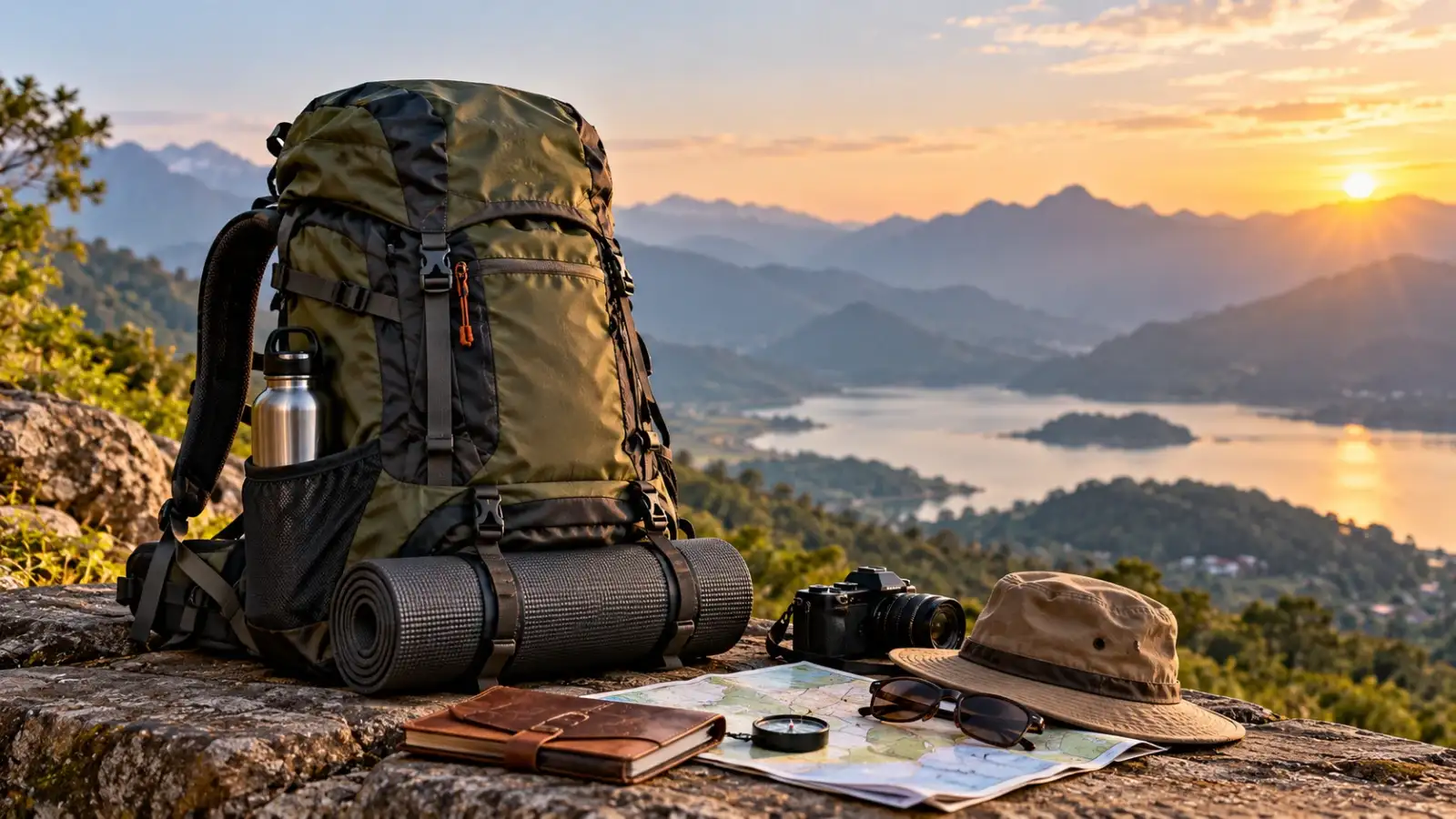
For weekend trips, a compact backpack with space for a few outfits, toiletries, a charger and travel documents may be sufficient. For longer holidays, you might need additional room for footwear, extra clothing, electronics and other essentials.
If you frequently move between trains, buses and flights, prioritise a bag that is easy to carry and access. Travellers who spend several hours walking outdoors may benefit from a backpack designed with better weight distribution and supportive straps.
Consider the type of clothing your destinations require. Lightweight summer outfits occupy less space than jackets, sweaters and waterproof layers. Travelling with a camera, laptop or sports equipment may also affect the bag size you need.
If possible, gather your usual travel items and place them together before shopping. This gives you a clearer idea of the space required and helps prevent you from choosing a bag based on imagined needs rather than your real packing habits.
For larger backpacks, a hip belt can help transfer some of the load from your shoulders to your hips. This becomes especially useful when carrying heavier belongings over longer distances.
Try the backpack with some weight inside before buying it. Adjust the straps and walk around for a few minutes. Check whether the bag sits comfortably against your back, whether the straps dig into your shoulders and whether you can move naturally.
Backpack fit matters because torso length and body proportions differ. If you are buying a large hiking backpack, check whether the model comes in different sizes or offers an adjustable torso system.
A separate laptop sleeve may be useful for business trips, while an easily accessible pocket can keep travel documents and tickets close at hand. Internal organisers help separate clean clothes from toiletries, and side pockets are convenient for water bottles.
A front-opening or clamshell design allows the bag to open more like a suitcase, making it easier to locate items without unpacking everything. A traditional top-loading backpack may be more suitable for some outdoor activities.
Packing cubes can also improve organisation, even if your backpack has a simple interior.
Remember that water-resistant does not necessarily mean waterproof. If you carry electronics, important documents or camera equipment, use separate waterproof pouches when heavy rain is possible.
Check the stitching, zip quality, buckles and strap attachments before purchasing. These areas experience regular stress, particularly when the bag is heavily packed. A durable backpack may cost more initially but can offer better value if it lasts through repeated trips.
A bag marketed as suitable for cabin travel is not automatically accepted by every airline. Check the current baggage allowance for your specific booking before leaving home.
Pay attention to the bag’s height, width and depth when fully packed. Overstuffed front pockets and bulging sides can make a backpack exceed the permitted dimensions.
For example, a detachable daypack can be helpful on longer trips, while a built-in laptop compartment may be unnecessary if you never carry a computer. Waterproof construction may be worth prioritising for outdoor travel, but it might not be essential for occasional city breaks in dry weather.
Set a budget and compare bags based on comfort, durability, storage and practical features rather than appearance alone.
Keep frequently needed items in accessible pockets. Store toiletries securely to prevent leaks, and avoid carrying multiple items that serve the same purpose.
Leave a little room for souvenirs or unexpected purchases if you expect to shop during your trip. A backpack packed to its absolute limit can become difficult to close and uncomfortable to carry.
The best travel backpack is the one that fits your actual packing habits, trip length and preferred way of travelling. Start with a realistic packing list, choose an appropriate capacity and pay attention to comfort, material quality and useful compartments. Check airline restrictions if you fly regularly, and avoid paying extra for features you will rarely use. A carefully chosen backpack can make packing simpler and help you move between destinations with less effort.
1. Start by Understanding Your Travel Style
Before comparing brands and designs, think about the trips you usually take. A backpack for short city breaks has different requirements from one designed for trekking, camping or long-term travel.For weekend trips, a compact backpack with space for a few outfits, toiletries, a charger and travel documents may be sufficient. For longer holidays, you might need additional room for footwear, extra clothing, electronics and other essentials.
If you frequently move between trains, buses and flights, prioritise a bag that is easy to carry and access. Travellers who spend several hours walking outdoors may benefit from a backpack designed with better weight distribution and supportive straps.
2. Choose the Right Capacity for Your Packing Needs
Travel backpack capacity is generally measured in litres. Although the ideal size varies by traveller, the following ranges offer a useful starting point.- 15 to 25 litres: Suitable for day trips, short outings and carrying personal essentials.
- 25 to 35 litres: Often practical for overnight stays and minimalist weekend travel.
- 35 to 45 litres: A useful range for many travellers taking several days of clothing and essentials.
- 45 to 60 litres: Better suited to longer trips, bulkier packing or journeys requiring additional equipment.
- More than 60 litres: Usually more appropriate for extended outdoor trips, camping and trekking with specialised gear.
3. Make a Packing List Before Shopping
One of the simplest ways to avoid buying the wrong backpack is to list what you actually carry. Include clothing, footwear, toiletries, electronics, medicines, documents and any special equipment you need.Consider the type of clothing your destinations require. Lightweight summer outfits occupy less space than jackets, sweaters and waterproof layers. Travelling with a camera, laptop or sports equipment may also affect the bag size you need.
If possible, gather your usual travel items and place them together before shopping. This gives you a clearer idea of the space required and helps prevent you from choosing a bag based on imagined needs rather than your real packing habits.
4. Check Comfort, Fit and Weight Distribution
A backpack can have plenty of storage space and still be a poor choice if it is uncomfortable to carry. Look for padded shoulder straps, an adjustable chest strap and a supportive back panel.For larger backpacks, a hip belt can help transfer some of the load from your shoulders to your hips. This becomes especially useful when carrying heavier belongings over longer distances.
Try the backpack with some weight inside before buying it. Adjust the straps and walk around for a few minutes. Check whether the bag sits comfortably against your back, whether the straps dig into your shoulders and whether you can move naturally.
Backpack fit matters because torso length and body proportions differ. If you are buying a large hiking backpack, check whether the model comes in different sizes or offers an adjustable torso system.
5. Choose Compartments That Match Your Routine
Extra pockets can make packing easier, but more compartments do not automatically make a backpack better. Focus on the features you will use regularly.A separate laptop sleeve may be useful for business trips, while an easily accessible pocket can keep travel documents and tickets close at hand. Internal organisers help separate clean clothes from toiletries, and side pockets are convenient for water bottles.
A front-opening or clamshell design allows the bag to open more like a suitcase, making it easier to locate items without unpacking everything. A traditional top-loading backpack may be more suitable for some outdoor activities.
Packing cubes can also improve organisation, even if your backpack has a simple interior.
6. Consider Weather Protection and Material Quality
Your travel destination should influence the material you choose. Rainy locations and outdoor adventures call for water-resistant fabrics, covered zips or a backpack with a rain cover.Remember that water-resistant does not necessarily mean waterproof. If you carry electronics, important documents or camera equipment, use separate waterproof pouches when heavy rain is possible.
Check the stitching, zip quality, buckles and strap attachments before purchasing. These areas experience regular stress, particularly when the bag is heavily packed. A durable backpack may cost more initially but can offer better value if it lasts through repeated trips.
7. Check Airline Cabin Baggage Rules
If you frequently fly, the backpack’s external dimensions matter as much as its capacity. Airlines can have different limits for cabin baggage and personal items, and these requirements may vary by fare or route.A bag marketed as suitable for cabin travel is not automatically accepted by every airline. Check the current baggage allowance for your specific booking before leaving home.
Pay attention to the bag’s height, width and depth when fully packed. Overstuffed front pockets and bulging sides can make a backpack exceed the permitted dimensions.
8. Avoid Paying for Features You Do Not Need
Travel backpacks can include USB charging ports, anti-theft zips, detachable daypacks, hidden pockets and elaborate organisers. Some features are genuinely useful, but others may add weight, complexity or cost without improving your travel experience.For example, a detachable daypack can be helpful on longer trips, while a built-in laptop compartment may be unnecessary if you never carry a computer. Waterproof construction may be worth prioritising for outdoor travel, but it might not be essential for occasional city breaks in dry weather.
Set a budget and compare bags based on comfort, durability, storage and practical features rather than appearance alone.
9. Pack Strategically to Make Better Use of Space
Even the right backpack can feel too small if it is packed inefficiently. Roll or fold clothing according to the material, use packing cubes to group similar items and place heavier belongings close to your back.Keep frequently needed items in accessible pockets. Store toiletries securely to prevent leaks, and avoid carrying multiple items that serve the same purpose.
Leave a little room for souvenirs or unexpected purchases if you expect to shop during your trip. A backpack packed to its absolute limit can become difficult to close and uncomfortable to carry.
The best travel backpack is the one that fits your actual packing habits, trip length and preferred way of travelling. Start with a realistic packing list, choose an appropriate capacity and pay attention to comfort, material quality and useful compartments. Check airline restrictions if you fly regularly, and avoid paying extra for features you will rarely use. A carefully chosen backpack can make packing simpler and help you move between destinations with less effort.
Next Story