
How to Choose Travel Insurance for Domestic and Overseas Holidays

A trip can involve more than transport and accommodation costs. Unexpected illness, a cancelled journey, lost baggage or an emergency change of plans can create additional expenses. Travel insurance may help with some of these situations, depending on the policy, the reason for the claim and the documents available.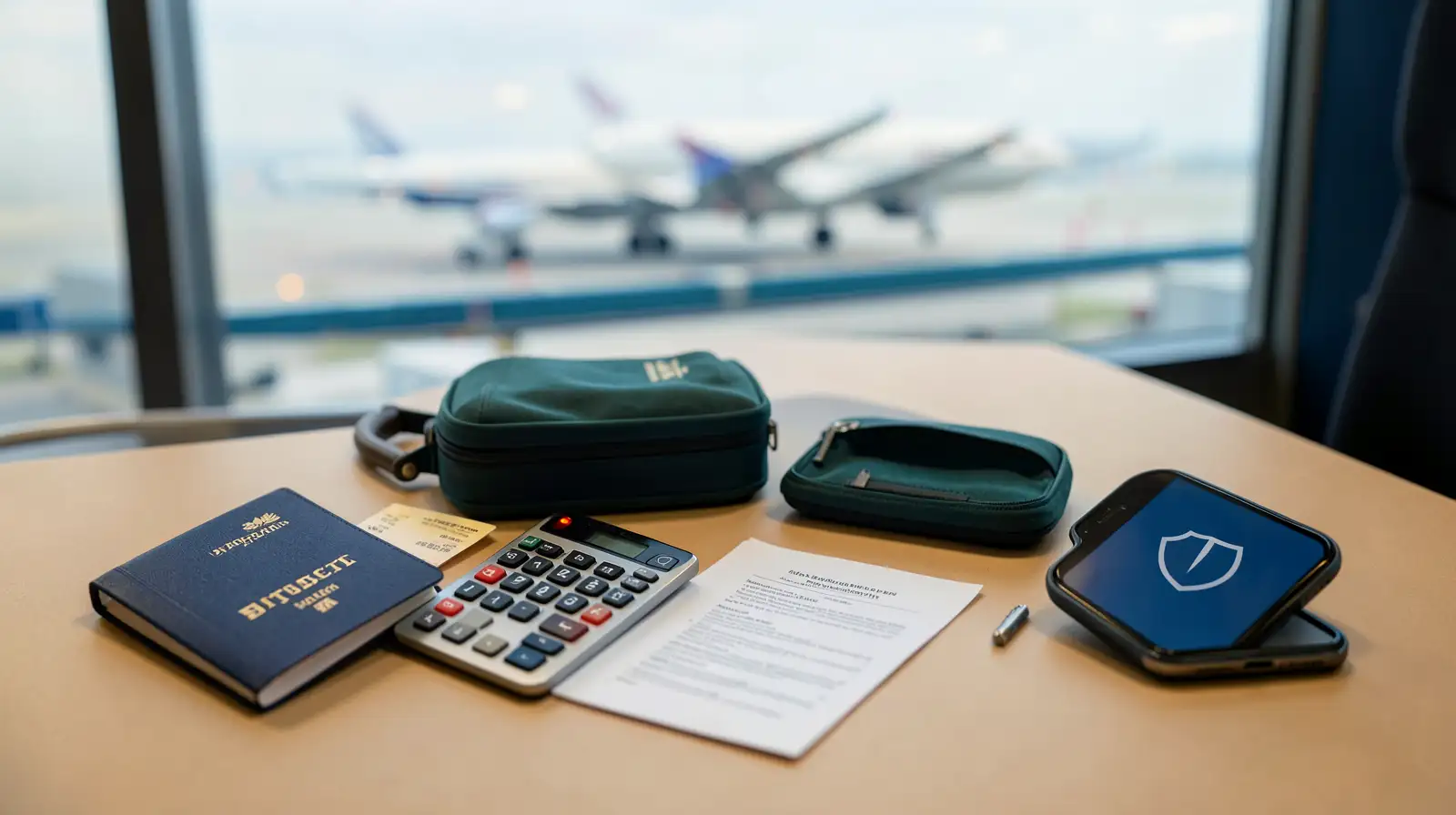
Buying the first policy offered during booking may not provide the right protection. Travellers should compare the benefits with their destination, planned activities, personal circumstances and total trip cost. Reading the conditions before payment is especially important because exclusions and limits can affect whether a claim is accepted.
Cancellation and interruption cover may also be useful, but the policy will specify which reasons qualify. A change of mind or an event excluded by the contract may not be reimbursed.
Baggage benefits can have individual item limits and may require evidence of ownership or a report from the airline or local authority. Review these limits if you plan to travel with expensive equipment, jewellery or other valuable belongings.
Answer medical and other eligibility questions honestly. Inaccurate declarations can complicate a claim or affect the validity of cover. If an activity such as skiing, trekking or scuba diving is part of the itinerary, check whether it is included or requires an additional benefit.
Also confirm the policy's geographical scope, start and end dates, age limits and any excess you must pay yourself when making a claim.
Keep copies of the policy, booking confirmations, receipts and relevant medical records. If an incident occurs, contact the insurer promptly and follow its instructions. For lost baggage, obtain the required report from the airline or other responsible organisation.
Do not assume that every expense will be reimbursed automatically. Claims are assessed against the policy conditions and supporting evidence.
Read the policy wording and ask the insurer to clarify anything you do not understand before buying. The right choice is the one whose terms match the trip and whose limitations you can accept.
Buying the first policy offered during booking may not provide the right protection. Travellers should compare the benefits with their destination, planned activities, personal circumstances and total trip cost. Reading the conditions before payment is especially important because exclusions and limits can affect whether a claim is accepted.
Start with the cover you actually need
Medical expenses are an important consideration, particularly for international travel, where treatment can be expensive. Check the policy's medical limit, emergency assistance provisions and rules for hospitalisation or medical evacuation.Cancellation and interruption cover may also be useful, but the policy will specify which reasons qualify. A change of mind or an event excluded by the contract may not be reimbursed.
Baggage benefits can have individual item limits and may require evidence of ownership or a report from the airline or local authority. Review these limits if you plan to travel with expensive equipment, jewellery or other valuable belongings.
Read exclusions and declarations carefully
Insurance policies commonly exclude certain situations or apply special conditions. Pre-existing medical conditions, high-risk activities, unattended belongings and travel against official advice may be treated differently across providers.Answer medical and other eligibility questions honestly. Inaccurate declarations can complicate a claim or affect the validity of cover. If an activity such as skiing, trekking or scuba diving is part of the itinerary, check whether it is included or requires an additional benefit.
Also confirm the policy's geographical scope, start and end dates, age limits and any excess you must pay yourself when making a claim.
Compare the claim process
A policy is easier to use when its claims process is clear. Check the emergency contact number, whether the insurer offers round-the-clock assistance and which documents are required for different claim types.Keep copies of the policy, booking confirmations, receipts and relevant medical records. If an incident occurs, contact the insurer promptly and follow its instructions. For lost baggage, obtain the required report from the airline or other responsible organisation.
Do not assume that every expense will be reimbursed automatically. Claims are assessed against the policy conditions and supporting evidence.
Choose on value, not price alone
Compare the overall benefits rather than selecting solely by the lowest premium. A cheaper policy may have lower limits, more exclusions or a higher excess.Read the policy wording and ask the insurer to clarify anything you do not understand before buying. The right choice is the one whose terms match the trip and whose limitations you can accept.
Next Story