
How to Choose Travel Shoes That Keep Your Feet Comfortable During Long Sightseeing Days

The right footwear can make a long day of sightseeing more comfortable, especially when an itinerary includes pavements, steps, public transport and uneven historic streets. A shoe that feels fine for a short walk may rub or cause fatigue after several hours, so choosing travel footwear deserves more thought than packing the newest pair.
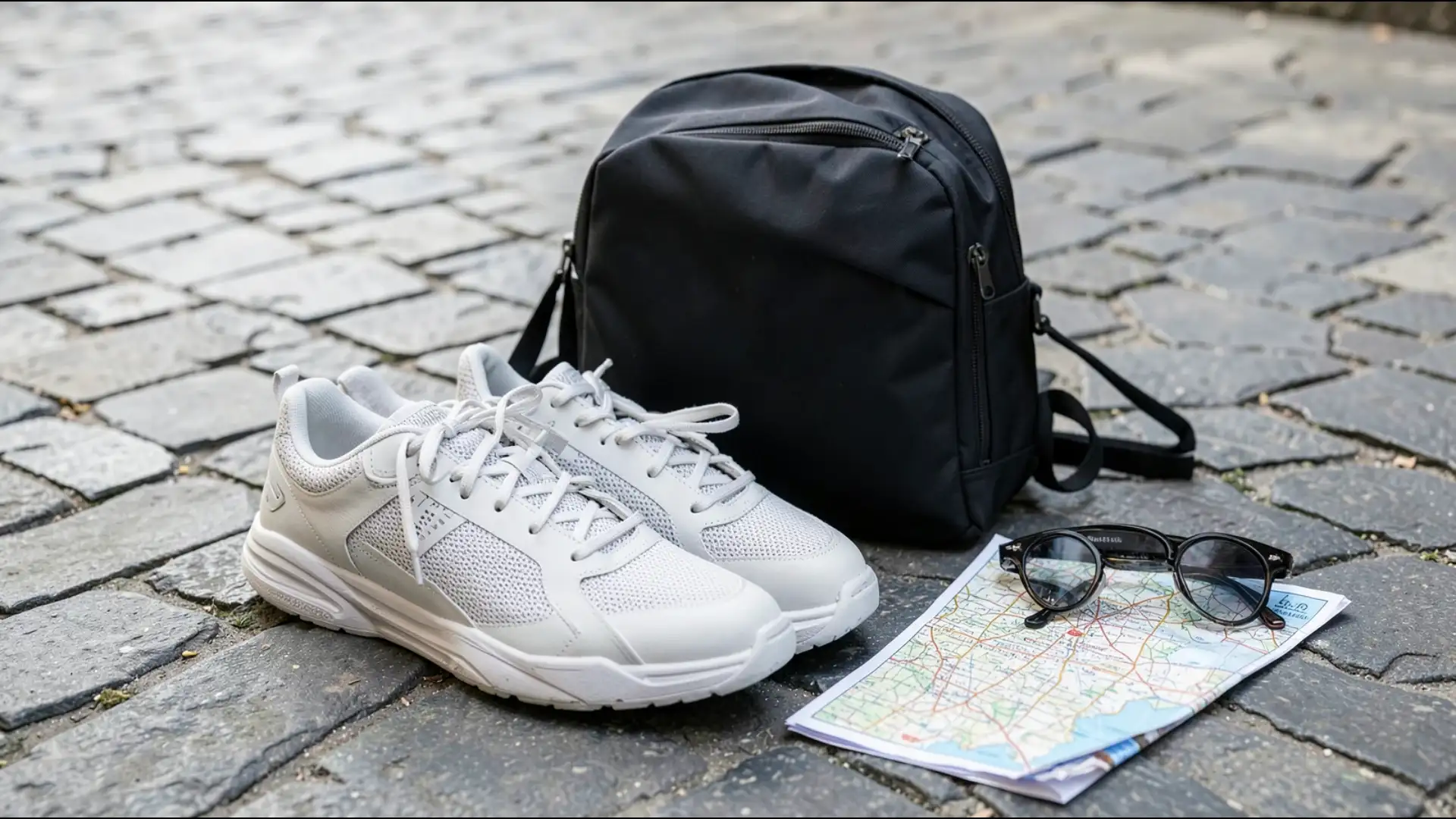
Comfort depends on fit, support, grip and the conditions expected at the destination. There is no single ideal shoe for every traveller. Trying footwear before departure and matching it to the planned activities can reduce avoidable discomfort and leave more energy for exploring comfortably for hours.
Start with the itinerary
Think about the surfaces and distances you expect to cover. A city break involving pavements, steps and public transport needs different footwear from a rocky walking trail. For everyday sightseeing, a lightweight walking shoe with a secure fastening, comfortable fit and supportive sole may be suitable. Trail shoes can offer better grip on uneven ground but may feel heavy on city streets.Consider the climate too. Breathable uppers can help in warm weather, while rain-prone destinations may call for water-resistant footwear. Waterproof designs can feel warmer, so weigh that benefit against ventilation.
Check the fit
Try shoes later in the day, when feet may be slightly larger after normal activity. Wear the socks you plan to pack and check that your toes can move without the heel slipping. A shoe should feel comfortable from the start; do not assume a painful pair will become suitable after a long holiday.You may also like
- Ruskin Bond's home, Ivy Cottage, is a cosy, book-filled hideaway in Landour: 5 decor inspirations to take away for your own space
- Understanding the 41-Day Sabarimala Pilgrimage and Its Spiritual Significance
- 10 Ways to Reduce the Risk of Birth Defects
- Why Are These 5 Days of Kartik Named After Bhishma?
- Psychology says people who watch the same movie repeatedly may seek emotional comfort in familiar scenes, predictable endings and beloved characters, finding reassurance in stories they already know rather than the uncertainty of a new film
Walk around the shop and try stairs if possible. Notice rubbing at the heel, pressure across the forefoot or any point where the foot slides. If you use orthotic inserts, take them along when testing footwear.
Break them in before departure
Wear a new pair for short periods before travelling, gradually increasing the time if they remain comfortable. This helps identify hot spots and shows whether your socks work well with the shoe. Do not wait until the first full day of sightseeing to discover a poor fit.Pack blister plasters and spare socks. If your itinerary includes formal occasions, take a second pair rather than expecting one shoe to suit every setting.
Look after them on the trip
Allow shoes to air between uses. Remove loose dirt with a soft brush or damp cloth, following the manufacturer's care advice. If they become wet, take out removable insoles and let everything dry naturally away from direct heat.The best travel footwear is not necessarily the most expensive or fashionable. A well-fitted pair tested in advance and suited to the route can make a long day of exploring much easier.






Loving Newspoint? Download the app now
