
How to Clean Glasses Properly Without Scratching the Lenses or Damaging Coatings

Glasses collect fingerprints, skin oils, dust and tiny particles throughout the day, even when lenses look clean. Wiping them on a sleeve or tissue may seem convenient, but trapped grit can scratch lens coatings. A careful cleaning routine takes only a minute or two and can improve comfort while helping preserve the lenses.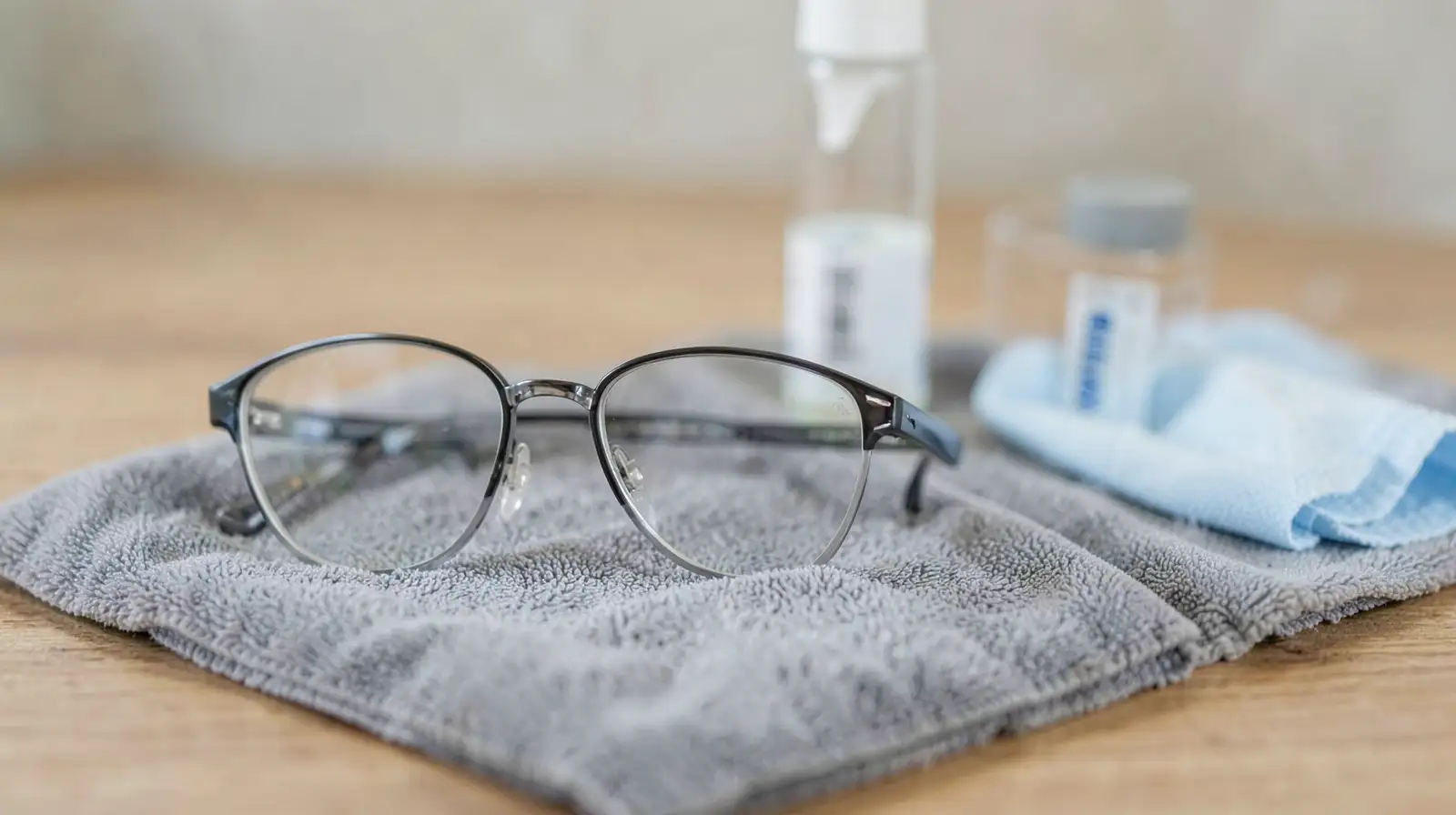
The best method depends partly on the lens coating and the optician’s care instructions. Generally, clean hands, lukewarm water and a suitable lens-cleaning product are safer choices than household cleaners. Small habits matter: store glasses in a case and avoid rough surfaces to prevent damage between cleanings.
Apply a small amount of lotion-free dishwashing liquid only if the lens maker or optician recommends it, then rinse thoroughly. A cleaner specifically made for spectacles is another option. Do not use window cleaner, bleach, vinegar, saliva or household disinfectant unless your optician explicitly confirms that a product is suitable.
Remember the nose pads, bridge and arms, where skin oils can accumulate. A clean cloth can remove grime, but avoid bending the frame while cleaning. If the glasses feel loose, sit unevenly or need frequent adjustment, ask an optician to check the fit instead of trying to reshape them yourself.
Clean lenses whenever they become smudged, but do not polish them aggressively in an attempt to remove a scratch. Scratches generally cannot be cleaned away, and abrasive products may make the damage worse. If vision remains hazy after proper cleaning, have the lenses checked. A consistent, gentle routine keeps glasses clearer and reduces the chance of avoidable wear. Follow any specific care advice provided for coated, high-index or specialist lenses.
The best method depends partly on the lens coating and the optician’s care instructions. Generally, clean hands, lukewarm water and a suitable lens-cleaning product are safer choices than household cleaners. Small habits matter: store glasses in a case and avoid rough surfaces to prevent damage between cleanings.
Start by removing loose dust
Wash hands before handling the glasses. If the lenses have visible dust or grit, rinse them under a gentle stream of lukewarm water before wiping. This helps remove particles that could otherwise be dragged across the surface. Avoid hot water, which may affect some lens coatings or frame materials.Apply a small amount of lotion-free dishwashing liquid only if the lens maker or optician recommends it, then rinse thoroughly. A cleaner specifically made for spectacles is another option. Do not use window cleaner, bleach, vinegar, saliva or household disinfectant unless your optician explicitly confirms that a product is suitable.
Dry with the right cloth
Use a clean microfibre cloth intended for lenses, moving gently rather than pressing hard. Paper towels, tissues and clothing can contain fibres or dirt that may scratch the surface. Wash the cloth regularly without fabric softener, because residue can transfer back onto the lenses. If the cloth itself looks dusty or greasy, clean it before using it again.Remember the nose pads, bridge and arms, where skin oils can accumulate. A clean cloth can remove grime, but avoid bending the frame while cleaning. If the glasses feel loose, sit unevenly or need frequent adjustment, ask an optician to check the fit instead of trying to reshape them yourself.
Protect them between cleanings
When you are not wearing your glasses, place them in a hard case rather than leaving them face-down on a table or pushing them into a bag. Avoid leaving them on a car dashboard, where heat can damage some frames or coatings. Keep them away from cosmetics, hairspray and cleaning sprays, which may leave residue or affect materials.Clean lenses whenever they become smudged, but do not polish them aggressively in an attempt to remove a scratch. Scratches generally cannot be cleaned away, and abrasive products may make the damage worse. If vision remains hazy after proper cleaning, have the lenses checked. A consistent, gentle routine keeps glasses clearer and reduces the chance of avoidable wear. Follow any specific care advice provided for coated, high-index or specialist lenses.
Next Story