
How to Clean Grapes Properly: 5 Easy Methods to Remove Pesticides and Germs

Grapes are a delicious and nutritious fruit, loaded with vitamins, antioxidants, and fibre. But did you know that simply washing grapes with water isn’t enough to make them safe? Market-bought grapes often carry pesticide residues that plain rinsing can’t remove. Proper cleaning is essential to enjoy grapes without risking your health.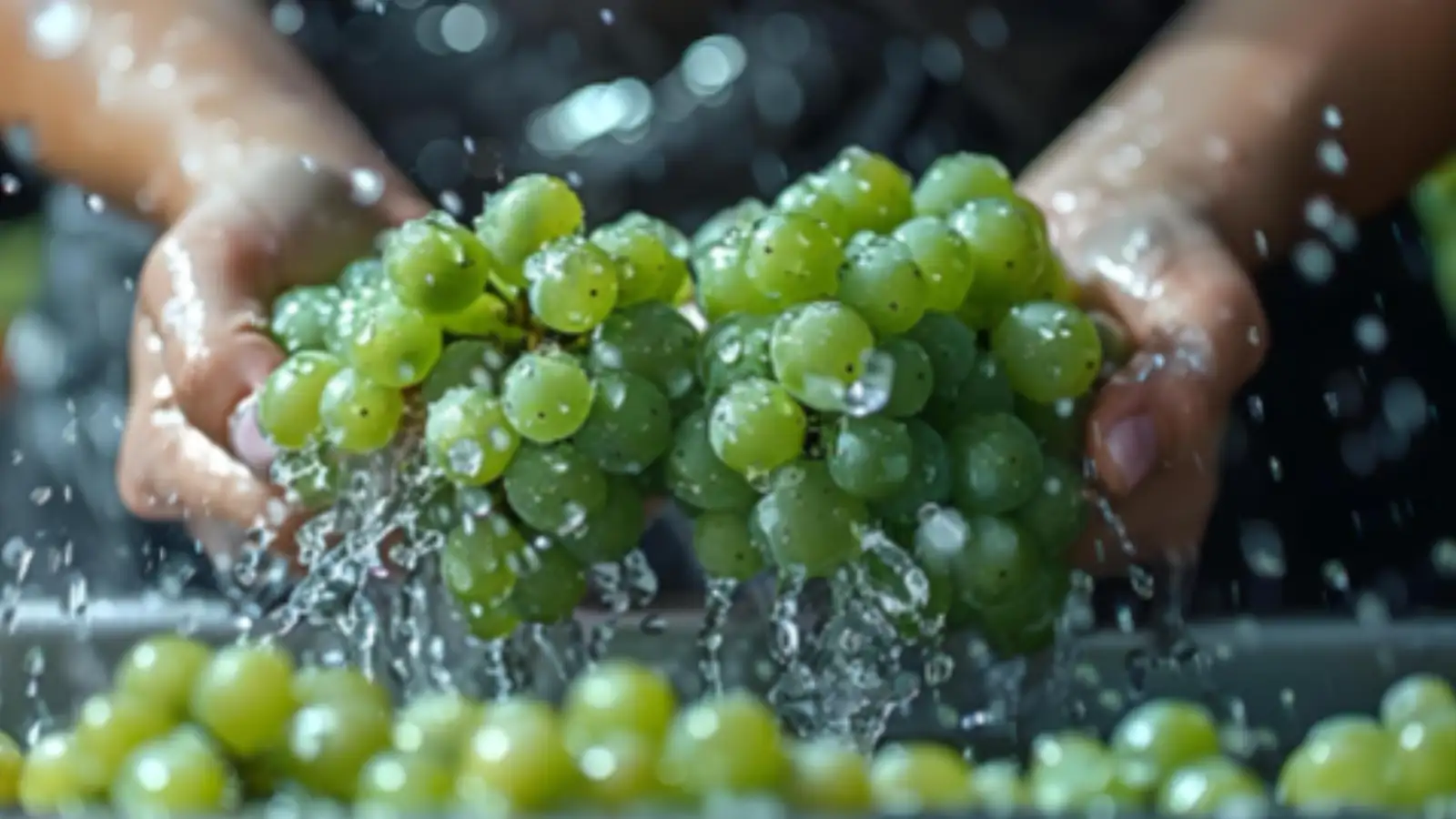
Why Properly Washing Grapes Matters
Pesticides are commonly used in grape farming to protect crops from insects and diseases. Unfortunately, residues of these chemicals can remain on the fruit even after harvest. Consuming grapes with leftover pesticides may trigger allergies, digestive issues, or long-term health concerns. That’s why experts recommend using more effective cleaning methods than just water.
1. Salt Water Soak
One of the easiest ways to clean grapes is with salt water. Mix one tablespoon of salt into a large bowl of water and soak the grapes for 15–20 minutes. Salt water helps eliminate bacteria and germs while loosening chemical residues. After soaking, rinse grapes thoroughly with clean water to remove any remaining salt.
2. Baking Soda Bath
Baking soda is a powerful tool against pesticide residues. Dissolve half a teaspoon of baking soda in one litre of water and soak the grapes for 15 minutes. Research shows that baking soda can effectively reduce chemical residues on fruit surfaces. Rinse the grapes well with fresh water afterward to remove all traces.
3. Vinegar Solution
White vinegar is another reliable method to clean grapes safely. Mix one part vinegar with three parts water and soak the grapes for 10–15 minutes. Vinegar kills germs and helps loosen stubborn residues. Make sure to rinse grapes thoroughly with water to remove the vinegar taste.
4. Running Water Rinse
Even after soaking, washing grapes under running water is essential. Gently rub the grapes for 1–2 minutes while keeping them attached to the stem. This ensures that any remaining chemicals or cleaning solutions are fully removed.
5. Drying Before Storage
After cleaning, spread grapes on a clean cotton cloth or tissue to dry completely. Storing wet grapes in the refrigerator can promote fungal growth. Only refrigerate once dry to keep them fresh longer and enhance their natural sweetness.
Eating clean grapes isn’t just about taste - it’s about safety and health. By using salt water, baking soda, or vinegar and following proper rinsing and drying techniques, you can enjoy fresh, pesticide-free grapes every time. Don’t rely on plain water alone; a little extra effort keeps your fruit and your body safe.
Why Properly Washing Grapes Matters
Pesticides are commonly used in grape farming to protect crops from insects and diseases. Unfortunately, residues of these chemicals can remain on the fruit even after harvest. Consuming grapes with leftover pesticides may trigger allergies, digestive issues, or long-term health concerns. That’s why experts recommend using more effective cleaning methods than just water.
1. Salt Water Soak
One of the easiest ways to clean grapes is with salt water. Mix one tablespoon of salt into a large bowl of water and soak the grapes for 15–20 minutes. Salt water helps eliminate bacteria and germs while loosening chemical residues. After soaking, rinse grapes thoroughly with clean water to remove any remaining salt.
You may also like
- UP Dy CM holds key engagements in Germany; promotes investment & tech collaboration
- Himachal Pradesh: Jairam Thakur discusses revenue deficit grant with Union FM, says Sukhu's allegations "unjustified"
- Gujarat Police nabs six Rajasthan students in fake Somnath Trust booking scam
- "Allegations lacking hallmark of terrorism, FIR not in sensitive category": Delhi court orders FIR copy to be given to accused in AI Summit protest
- Quote of the day by Rumi: 'Be like a tree and let the dead leaves drop.' Life lessons from Sufi mystic on emotional & mental renewal
2. Baking Soda Bath
Baking soda is a powerful tool against pesticide residues. Dissolve half a teaspoon of baking soda in one litre of water and soak the grapes for 15 minutes. Research shows that baking soda can effectively reduce chemical residues on fruit surfaces. Rinse the grapes well with fresh water afterward to remove all traces.
3. Vinegar Solution
White vinegar is another reliable method to clean grapes safely. Mix one part vinegar with three parts water and soak the grapes for 10–15 minutes. Vinegar kills germs and helps loosen stubborn residues. Make sure to rinse grapes thoroughly with water to remove the vinegar taste.
4. Running Water Rinse
Even after soaking, washing grapes under running water is essential. Gently rub the grapes for 1–2 minutes while keeping them attached to the stem. This ensures that any remaining chemicals or cleaning solutions are fully removed.
5. Drying Before Storage
After cleaning, spread grapes on a clean cotton cloth or tissue to dry completely. Storing wet grapes in the refrigerator can promote fungal growth. Only refrigerate once dry to keep them fresh longer and enhance their natural sweetness.
Eating clean grapes isn’t just about taste - it’s about safety and health. By using salt water, baking soda, or vinegar and following proper rinsing and drying techniques, you can enjoy fresh, pesticide-free grapes every time. Don’t rely on plain water alone; a little extra effort keeps your fruit and your body safe.






More from our partners


Loving Newspoint? Download the app now
