
How to Clean Reusable Water Bottles Properly and Keep Them Fresh

A reusable water bottle may look clean after a quick rinse, but moisture and drink residue can collect around the lid, seal and drinking opening. These areas are easy to overlook during a busy day, especially when a bottle is refilled repeatedly between work, exercise and travel.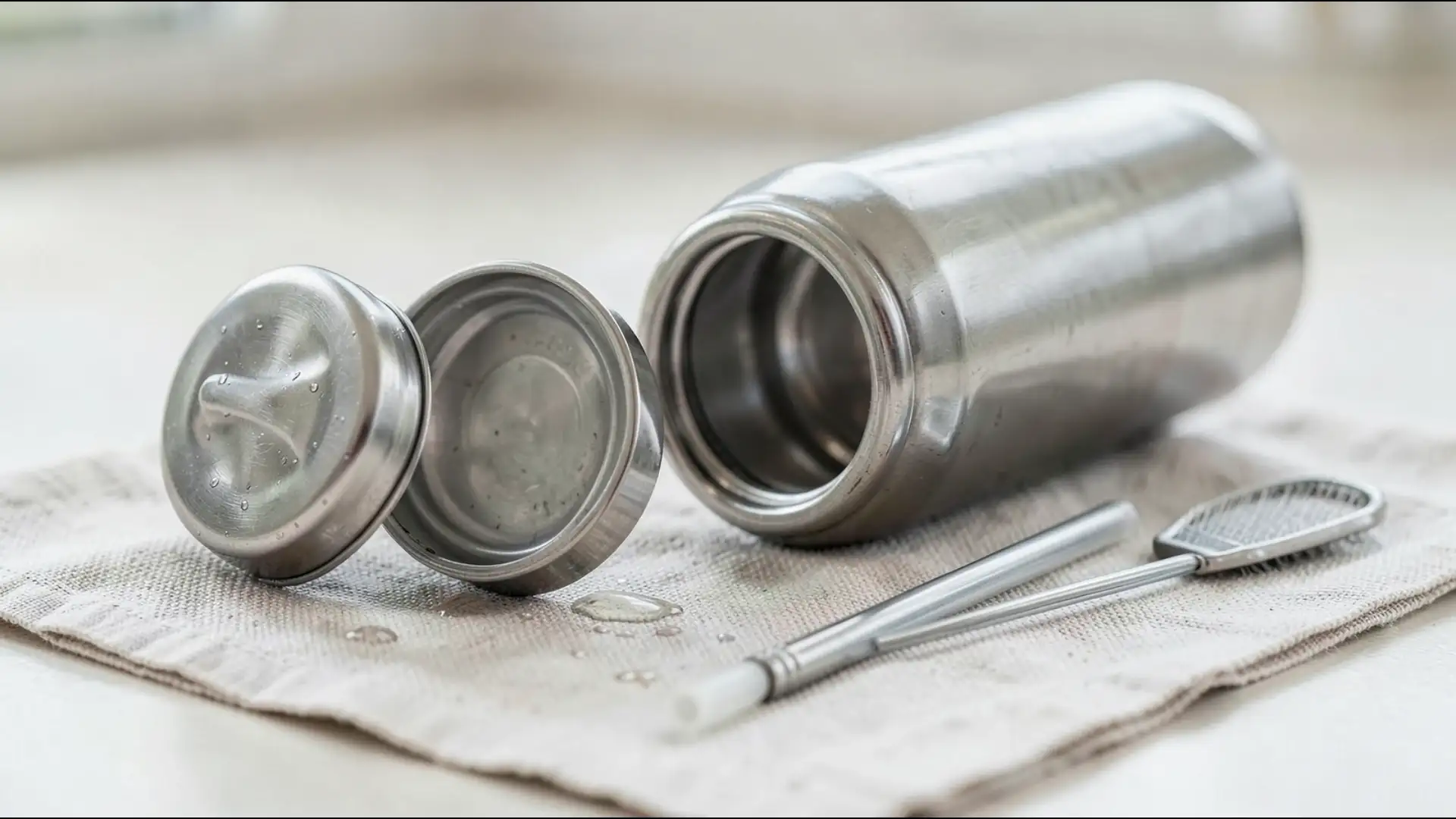
Regular washing helps remove residue and keeps unpleasant smells from developing. The correct method depends on the bottle's material and the manufacturer's care instructions. Making cleaning part of the daily routine is usually easier than trying to remove stubborn odours after a bottle has been left damp for several days.
Follow the manufacturer's instructions about dishwasher use, particularly for insulated bottles or products with special finishes. Some bottles are dishwasher-safe, while others require hand washing to protect their construction or seals.
Do not assume that a quick rinse is enough after using a bottle for flavoured drinks, milk-based beverages or anything that leaves a sticky residue.
Pay attention to grooves where moisture or residue may remain trapped. Check the care instructions before removing any part that is not designed to come apart.
Rinse every component thoroughly so that detergent does not remain on surfaces that come into contact with drinking water. If a seal is damaged, cracked or difficult to clean, check whether the manufacturer recommends replacing it.
Avoid immediately closing a damp bottle and placing it in a bag. Trapped moisture can contribute to stale smells and create conditions that favour microbial growth.
If the bottle has a narrow neck, give it enough time to dry fully before putting the lid back on.
Do not mix cleaning chemicals or use products that could damage the bottle. Replace components that remain visibly dirty or deteriorated despite appropriate cleaning.
A clean reusable bottle is easier to carry and use consistently. With a little attention to the lid, seals and drying process, everyday maintenance becomes a straightforward habit rather than an occasional deep-cleaning task.
Regular washing helps remove residue and keeps unpleasant smells from developing. The correct method depends on the bottle's material and the manufacturer's care instructions. Making cleaning part of the daily routine is usually easier than trying to remove stubborn odours after a bottle has been left damp for several days.
Wash the bottle regularly
Empty the bottle and wash it with warm water and washing-up liquid. Use a clean bottle brush to reach the base and narrow sides, applying gentle pressure where residue has collected.Follow the manufacturer's instructions about dishwasher use, particularly for insulated bottles or products with special finishes. Some bottles are dishwasher-safe, while others require hand washing to protect their construction or seals.
Do not assume that a quick rinse is enough after using a bottle for flavoured drinks, milk-based beverages or anything that leaves a sticky residue.
Clean the lid, seal and straw
Remove detachable parts where the design allows it. Wash the lid, rubber seals and drinking spout separately, using a small brush for narrow gaps and reusable straws.Pay attention to grooves where moisture or residue may remain trapped. Check the care instructions before removing any part that is not designed to come apart.
Rinse every component thoroughly so that detergent does not remain on surfaces that come into contact with drinking water. If a seal is damaged, cracked or difficult to clean, check whether the manufacturer recommends replacing it.
Dry every part completely
After washing, leave the bottle and its components open to air-dry. Position the bottle so that water can drain rather than collecting at the bottom, and allow removable parts to dry separately.Avoid immediately closing a damp bottle and placing it in a bag. Trapped moisture can contribute to stale smells and create conditions that favour microbial growth.
If the bottle has a narrow neck, give it enough time to dry fully before putting the lid back on.
Deal with lingering smells
If an odour remains, wash the bottle again and inspect the lid, straw and seals for residue. Follow the manufacturer's guidance for any additional cleaning method, especially when dealing with insulated or coated materials.Do not mix cleaning chemicals or use products that could damage the bottle. Replace components that remain visibly dirty or deteriorated despite appropriate cleaning.
Build a simple daily routine
Empty the bottle at the end of the day, wash it and leave it open to dry. Clean detachable parts separately and inspect them periodically for wear.A clean reusable bottle is easier to carry and use consistently. With a little attention to the lid, seals and drying process, everyday maintenance becomes a straightforward habit rather than an occasional deep-cleaning task.
Next Story