
How to Actually Make Brussels Sprouts Taste Good

Brussels sprouts are one of those vegetables people either love or avoid completely. For many, the memory is the same. Overcooked, bitter, and soft to the point of being unpleasant. But that reputation has less to do with the vegetable itself and more to do with how it is prepared.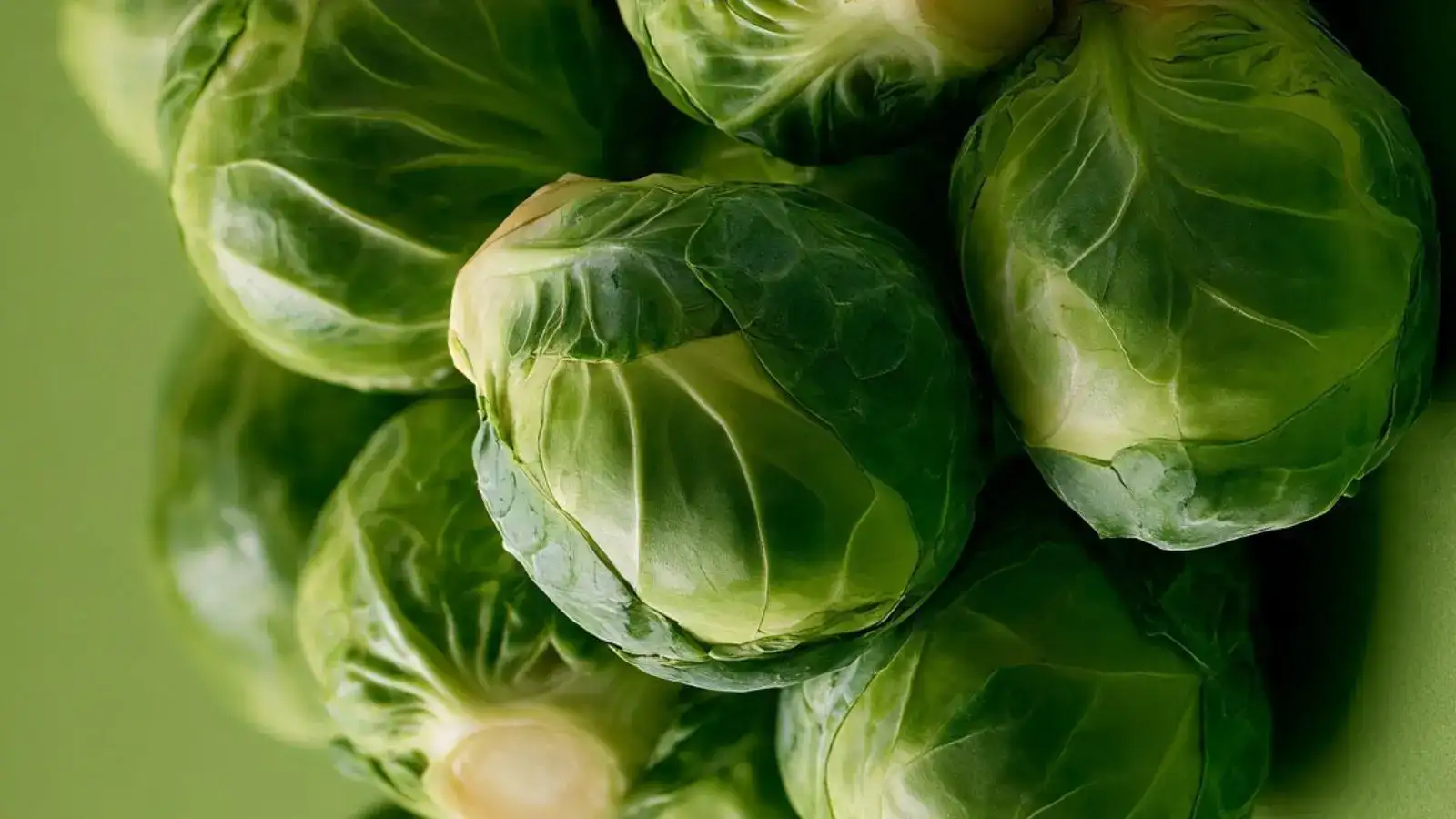
The truth is simple. When cooked correctly, Brussels sprouts can be crisp on the outside, tender on the inside, and slightly sweet with a nutty flavour. The difference lies in technique.
It starts with choosing the right sprouts. Fresh ones should be firm, compact, and bright green. Smaller sprouts tend to be sweeter, while larger ones can have a slightly stronger taste. Before cooking, trimming the base and removing any damaged outer leaves makes a noticeable difference in both texture and flavour.
How you cut them also matters. Halving or slicing them increases surface area, which helps them cook evenly and develop better texture. Whole sprouts often stay dense and take longer to cook through.
The biggest mistake most people make is boiling them for too long. This not only removes their natural flavour but also brings out the sulphur compounds that create that strong, unpleasant smell. Quick cooking methods work far better.
Roasting is often considered the most effective way to transform Brussels sprouts. High heat allows the outer layer to caramelise, creating a slightly crispy texture while keeping the inside tender. The key is to spread them out on a tray instead of overcrowding them. When they are packed too closely, they steam instead of roast, which brings back the soggy texture people dislike.
Sautéing is another option that delivers similar results. Cooking them cut-side down in a hot pan helps develop a golden crust. With a bit of oil and seasoning, this method brings out their natural sweetness without making them heavy.
For those who prefer lighter cooking, steaming works if done carefully. The goal is to keep them just tender, not soft. Overcooking is what usually ruins the texture. Even boiling can work, but only when done briefly and followed by proper draining to avoid excess moisture.
Flavour also plays a major role. Brussels sprouts respond well to strong pairings. Garlic, butter, lemon, mustard, cheese, or even a slight sweetness from balsamic glaze can balance their natural bitterness. The idea is not to overpower the vegetable but to complement it.
Another shift that has helped their popularity is how they are being used today. Instead of serving them as a plain side, they are now added to salads, roasted with other vegetables, or even crisped into chips using the outer leaves. This makes them more versatile and easier to enjoy.
There is also a nutritional advantage. Brussels sprouts are rich in fibre, vitamins, and antioxidants, making them a strong addition to a balanced diet without adding many calories.
In simple terms, Brussels sprouts are not the problem. The cooking method is.
Once you move away from overboiling and start focusing on texture and flavour, the same vegetable that once felt avoidable can quickly become something you actually look forward to eating.
The truth is simple. When cooked correctly, Brussels sprouts can be crisp on the outside, tender on the inside, and slightly sweet with a nutty flavour. The difference lies in technique.
It starts with choosing the right sprouts. Fresh ones should be firm, compact, and bright green. Smaller sprouts tend to be sweeter, while larger ones can have a slightly stronger taste. Before cooking, trimming the base and removing any damaged outer leaves makes a noticeable difference in both texture and flavour.
How you cut them also matters. Halving or slicing them increases surface area, which helps them cook evenly and develop better texture. Whole sprouts often stay dense and take longer to cook through.
The biggest mistake most people make is boiling them for too long. This not only removes their natural flavour but also brings out the sulphur compounds that create that strong, unpleasant smell. Quick cooking methods work far better.
You may also like
- How to host like a pro: Mastering the art of plates, bowls, spoons, and forks
- 5 Korean Sunscreens for Glass Skin (No White Cast)
- Buddha Purnima 2026: 5 key teachings to remain calm in difficult situation
- Chennai Metro offers free sponsored rides for IPL 2026 fans attending CSK vs Gujarat Titans match
- The Hidden Purpose Behind the Hole in Plastic Chairs
Roasting is often considered the most effective way to transform Brussels sprouts. High heat allows the outer layer to caramelise, creating a slightly crispy texture while keeping the inside tender. The key is to spread them out on a tray instead of overcrowding them. When they are packed too closely, they steam instead of roast, which brings back the soggy texture people dislike.
Sautéing is another option that delivers similar results. Cooking them cut-side down in a hot pan helps develop a golden crust. With a bit of oil and seasoning, this method brings out their natural sweetness without making them heavy.
For those who prefer lighter cooking, steaming works if done carefully. The goal is to keep them just tender, not soft. Overcooking is what usually ruins the texture. Even boiling can work, but only when done briefly and followed by proper draining to avoid excess moisture.
Flavour also plays a major role. Brussels sprouts respond well to strong pairings. Garlic, butter, lemon, mustard, cheese, or even a slight sweetness from balsamic glaze can balance their natural bitterness. The idea is not to overpower the vegetable but to complement it.
Another shift that has helped their popularity is how they are being used today. Instead of serving them as a plain side, they are now added to salads, roasted with other vegetables, or even crisped into chips using the outer leaves. This makes them more versatile and easier to enjoy.
There is also a nutritional advantage. Brussels sprouts are rich in fibre, vitamins, and antioxidants, making them a strong addition to a balanced diet without adding many calories.
In simple terms, Brussels sprouts are not the problem. The cooking method is.
Once you move away from overboiling and start focusing on texture and flavour, the same vegetable that once felt avoidable can quickly become something you actually look forward to eating.






More from our partners


Loving Newspoint? Download the app now
