
How to Cook Drumstick Leaves Without Losing Their Flavour or Turning Them Mushy

Drumstick leaves are a familiar ingredient in Indian kitchens, added to dals, stir-fries and vegetable dishes. Their earthy flavour works well with garlic, onions and spices, while the leaves soften quickly during cooking. They provide nutrients that can contribute to a varied diet, making them worth exploring beyond traditional recipes.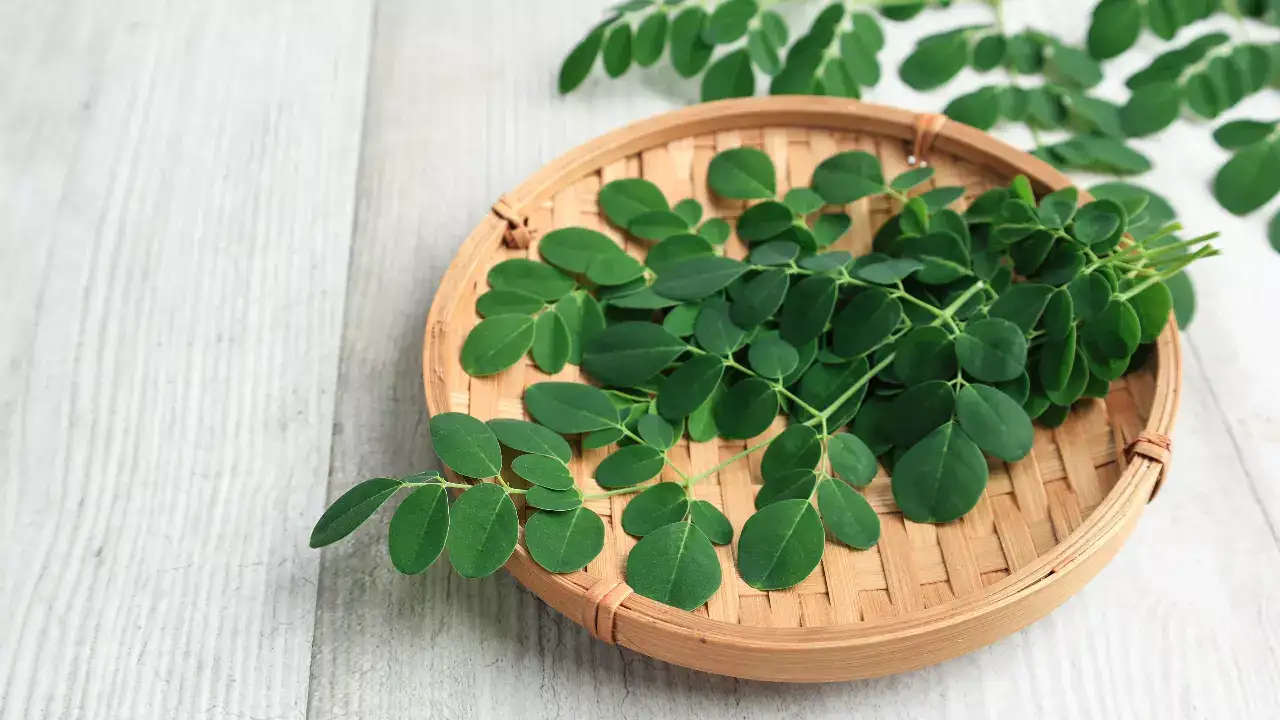
How they are washed, cooked and served matters, particularly when introducing them to people unfamiliar with their texture or flavour. A few practical tips can make this leafy vegetable easier to prepare regularly, without treating it as a cure or expecting one ingredient to transform an entire diet at home.
Adding leafy vegetables to meals is one practical way to increase variety. Drumstick leaves can be used alongside other greens rather than replacing them, and a balanced diet still needs sources of protein, carbohydrates and fats.
For a simple side dish, soften chopped onion, garlic and green chilli in a little oil. Add the leaves and stir until they wilt and are cooked through. They can also be added to dal near the end of cooking, or mixed into a vegetable curry. Avoid prolonged cooking when it is not needed, since heat can reduce some heat-sensitive nutrients.
People taking medication or managing a medical condition should not rely on moringa products or concentrated supplements as a substitute for prescribed care. Ordinary cooked leaves can be one component of a varied diet, but supplements may differ in strength and quality. If you are pregnant, breastfeeding or considering concentrated products, seek individual medical advice first.
How they are washed, cooked and served matters, particularly when introducing them to people unfamiliar with their texture or flavour. A few practical tips can make this leafy vegetable easier to prepare regularly, without treating it as a cure or expecting one ingredient to transform an entire diet at home.
What nutrients do the leaves provide?
Moringa, often called the drumstick tree, produces leaves that contain fibre and a range of micronutrients, including beta-carotene and vitamin C. The precise amount depends on the plant, freshness and preparation. These nutrients support normal body functions, but drumstick leaves should not be presented as a treatment for diabetes, anaemia or any other condition.You may also like
- She bought a ₹200 coupon at a Garba event and wrote her 6-year-old grandson's name on it; a year later, grandmother Kiran Raikwar's family received the ₹50 lakh SUV they had dreamed of owning for years
- In 2018, Andhra Pradesh's Singampalli Parwathi borrowed Rs 20,000 to trade raw cashews; today she processes 11 grades of cashew kernels and reports annual business turnover near Rs 50 lakh
- Peter Marino named CFDA's 2026 'Fashion Icon' for his bold influence on luxury fashion
Adding leafy vegetables to meals is one practical way to increase variety. Drumstick leaves can be used alongside other greens rather than replacing them, and a balanced diet still needs sources of protein, carbohydrates and fats.
How to prepare them
Separate the small leaflets from the tougher stems, then rinse them thoroughly in clean water. Remove yellowed or damaged leaves and drain the rest well. If the leaves are new to your kitchen, begin with a small handful because their flavour can be more pronounced than spinach.For a simple side dish, soften chopped onion, garlic and green chilli in a little oil. Add the leaves and stir until they wilt and are cooked through. They can also be added to dal near the end of cooking, or mixed into a vegetable curry. Avoid prolonged cooking when it is not needed, since heat can reduce some heat-sensitive nutrients.
Make them part of ordinary meals
Fresh leaves are perishable, so use them soon after buying. If you need to keep them briefly, remove damp or spoiled leaves and refrigerate the rest in a clean container lined with a dry paper towel. Wash them just before cooking rather than storing them wet.People taking medication or managing a medical condition should not rely on moringa products or concentrated supplements as a substitute for prescribed care. Ordinary cooked leaves can be one component of a varied diet, but supplements may differ in strength and quality. If you are pregnant, breastfeeding or considering concentrated products, seek individual medical advice first.






Loving Newspoint? Download the app now
