
How To Cook Green Peas For Better Texture And Easy Everyday Meal Additions

Green peas are sweet legumes that bring colour and a soft bite to meals. They provide plant protein, carbohydrate and dietary fibre, along with nutrients such as vitamin C, folate and vitamin K. Frozen peas are convenient to keep on hand and add to dishes. They suit soups and sides.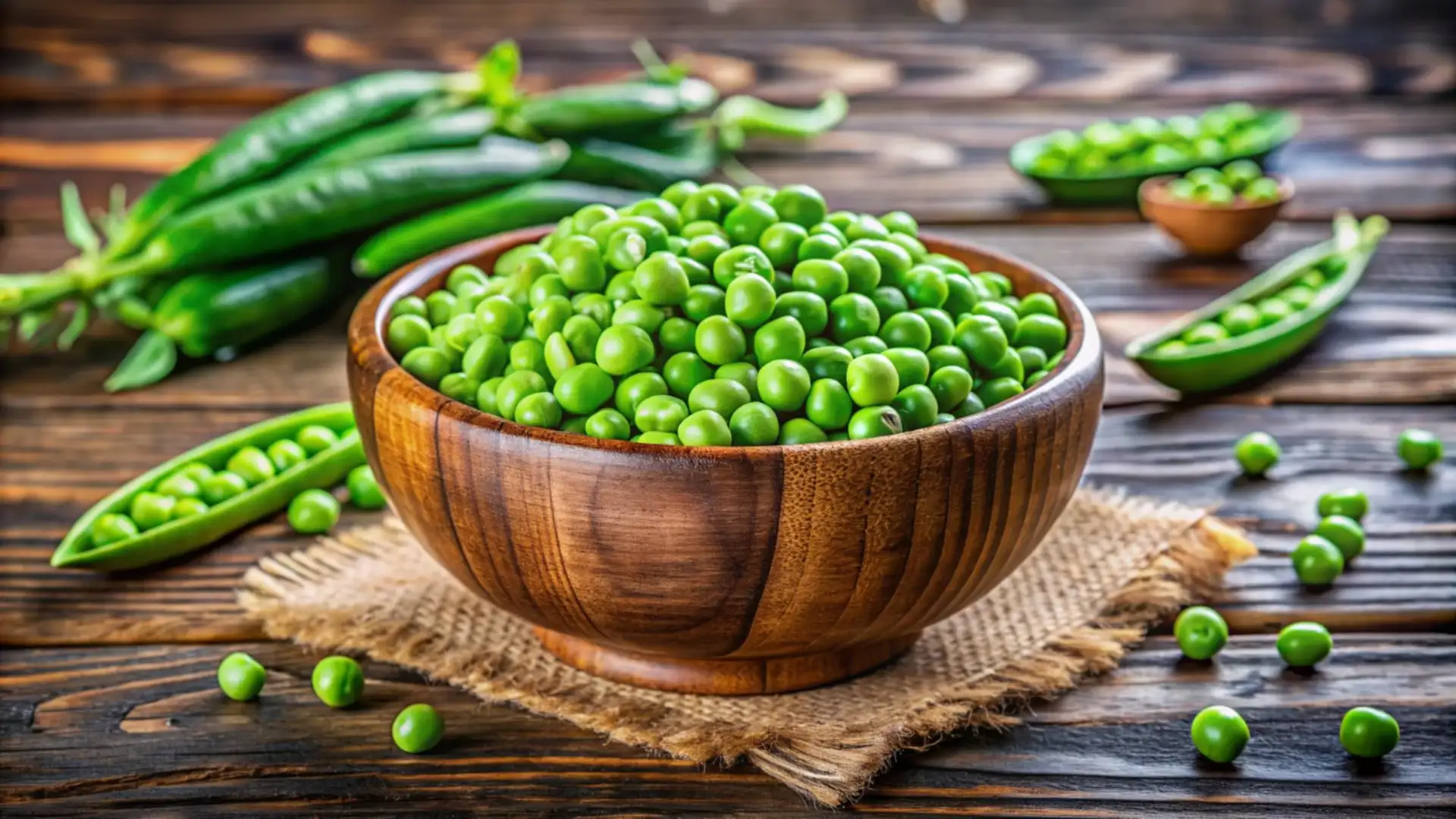
Their nutritional contribution depends on serving size and how they are cooked. Peas are not a substitute for a varied diet, but they can complement grains, vegetables and other protein foods. Understanding their texture and cooking time helps retain their fresh flavour and makes them useful in everyday vegetarian meals.
Their sweet flavour can make peas an easy addition for people who want more vegetables on the plate. Still, a balanced meal should include different food groups and a range of produce rather than relying on peas alone.
Green peas nutrition makes them a practical ingredient for everyday cooking, particularly when kept in the freezer. Portion them according to appetite and the rest of the meal. If a recipe uses peas as its main protein component, consider pairing it with another protein-rich food to create a more substantial dish. Variety matters more than claims about one vegetable.
Their nutritional contribution depends on serving size and how they are cooked. Peas are not a substitute for a varied diet, but they can complement grains, vegetables and other protein foods. Understanding their texture and cooking time helps retain their fresh flavour and makes them useful in everyday vegetarian meals.
A useful source of plant nutrients
Cooked green peas provide carbohydrate for energy, plant protein and fibre. They also contribute folate, vitamin C and vitamin K, with amounts changing according to variety, portion and cooking method. Fibre supports normal digestive function, while protein is one component the body uses to maintain and repair tissues. Peas complement rather than replace other sources of protein, such as pulses, dairy foods, tofu or nuts.Their sweet flavour can make peas an easy addition for people who want more vegetables on the plate. Still, a balanced meal should include different food groups and a range of produce rather than relying on peas alone.
Fresh, frozen or canned?
Fresh peas are pleasant when they are in season, but shelling takes time and the pods add waste if they are not used. Frozen peas are convenient and can be cooked directly from frozen. Canned peas are ready to use, though checking the label for added salt can be helpful.Cook them without losing their texture
Steam or simmer peas briefly until tender. Prolonged cooking can make them dull in colour and soft in texture. For a simple side, warm them with a little oil or butter, black pepper and mint. If adding peas to a curry or pulao, stir them in towards the end so they do not break down unnecessarily.Make peas part of the menu
Add peas to vegetable upma, savoury pancakes, pasta, soup or a potato-based filling. Mash cooked peas with herbs and lemon for a quick spread, or combine them with rice and other vegetables for a one-pot meal. Their mild taste pairs with cumin, coriander or mint.Green peas nutrition makes them a practical ingredient for everyday cooking, particularly when kept in the freezer. Portion them according to appetite and the rest of the meal. If a recipe uses peas as its main protein component, consider pairing it with another protein-rich food to create a more substantial dish. Variety matters more than claims about one vegetable.
Next Story