
How to Make Everyday Meals More Interesting with Millets

Millets can bring a welcome change to everyday meals without requiring an entirely new cooking routine. These small grains are available in several varieties, including jowar, bajra, ragi and foxtail millet. Each has its own flavour, texture and cooking requirements, making them suitable for different dishes.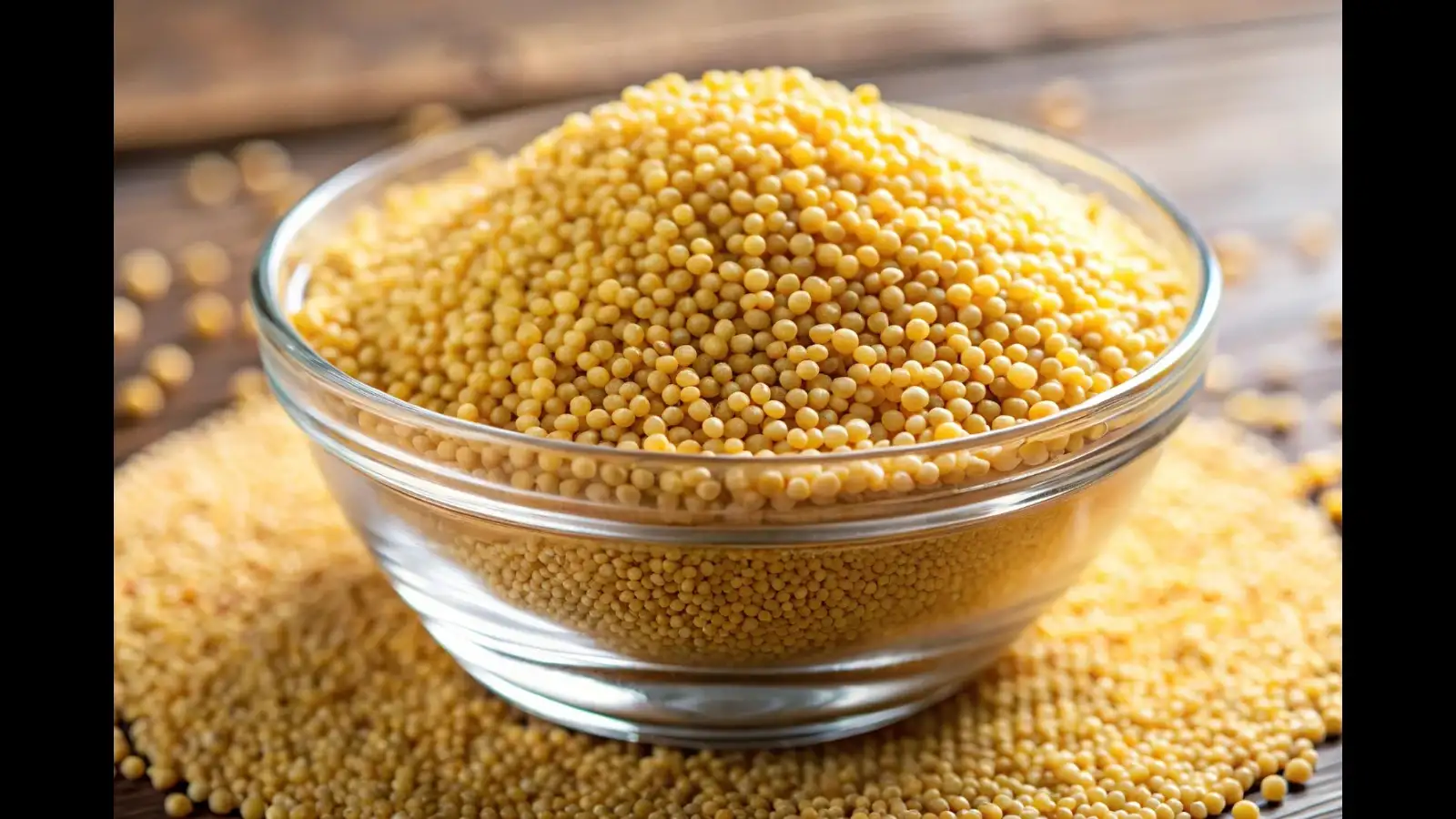
Instead of treating millets as ingredients reserved for special recipes, consider using them in familiar meals. A few small changes can help introduce new flavours while keeping your usual cooking routine manageable.
Foxtail millet can be cooked into a soft, porridge-like dish or prepared as a savoury breakfast with vegetables and spices. If you enjoy upma, try making a version with millet instead of semolina. Add mustard seeds, curry leaves, peas, carrots and roasted peanuts for extra texture.
The cooking method matters. Some millets benefit from soaking, while others can be cooked directly after rinsing. Follow the instructions for the specific variety to achieve the desired consistency.
You can also serve millet khichdi with vegetables and familiar Indian spices. Adjust the water according to the grain and whether you prefer a soft or separate texture.
For people who enjoy traditional flatbreads, jowar and bajra flour can be used to prepare rotis. These flours behave differently from wheat flour, so the amount of water and kneading technique may need adjustment.
Another option is to prepare a small bowl of seasoned millet with chopped vegetables as an alternative to a conventional snack. The idea is to experiment with familiar flavours rather than make every dish complicated.
Store uncooked grains in clean, dry, airtight containers and check the package instructions for storage guidance. Buy quantities that suit your cooking frequency.
Millets are not interchangeable in every recipe, and their nutritional profiles vary by variety and processing. Their greatest everyday advantage is versatility: they offer another way to bring variety to meals while keeping the menu familiar, practical and interesting.
Instead of treating millets as ingredients reserved for special recipes, consider using them in familiar meals. A few small changes can help introduce new flavours while keeping your usual cooking routine manageable.
Start with a millet breakfast
Breakfast is an easy place to experiment. Ragi flour can be used to prepare dosas, pancakes or porridge. Its distinctive flavour pairs well with ingredients such as banana, cardamom or a little jaggery.Foxtail millet can be cooked into a soft, porridge-like dish or prepared as a savoury breakfast with vegetables and spices. If you enjoy upma, try making a version with millet instead of semolina. Add mustard seeds, curry leaves, peas, carrots and roasted peanuts for extra texture.
The cooking method matters. Some millets benefit from soaking, while others can be cooked directly after rinsing. Follow the instructions for the specific variety to achieve the desired consistency.
Give lunch a different texture
Millets can also become part of a satisfying lunch. Cooked foxtail millet or little millet can be combined with vegetables, lemon juice, coriander and roasted peanuts to make a simple bowl.You can also serve millet khichdi with vegetables and familiar Indian spices. Adjust the water according to the grain and whether you prefer a soft or separate texture.
For people who enjoy traditional flatbreads, jowar and bajra flour can be used to prepare rotis. These flours behave differently from wheat flour, so the amount of water and kneading technique may need adjustment.
Try millet-based snacks
Cooked millets can be added to vegetable cutlets or savoury patties. Combine them with mashed potatoes, grated carrots, peas and spices, then shape the mixture and cook it on a lightly greased pan.Another option is to prepare a small bowl of seasoned millet with chopped vegetables as an alternative to a conventional snack. The idea is to experiment with familiar flavours rather than make every dish complicated.
Make the transition gradually
You do not need to replace every grain in your kitchen at once. Begin with one or two recipes each week and note which varieties your household enjoys.Store uncooked grains in clean, dry, airtight containers and check the package instructions for storage guidance. Buy quantities that suit your cooking frequency.
Millets are not interchangeable in every recipe, and their nutritional profiles vary by variety and processing. Their greatest everyday advantage is versatility: they offer another way to bring variety to meals while keeping the menu familiar, practical and interesting.
Next Story