
How To Create A Magical & Practical Child’s Bedroom That Grows With Them

Creating the perfect bedroom for a child goes beyond simply decorating with bright colours and fun patterns. A well-designed child’s room should be a comfortable, functional, and inspiring space that supports their growth, creativity, and relaxation. It should be a place where they feel safe and happy, whether they are sleeping, studying, or playing. Thoughtful choices in furniture, storage, colours, and lighting can transform a child’s bedroom into a magical and practical retreat. With the right approach, you can design a space that adapts as they grow, ensuring it remains functional and stylish over the years.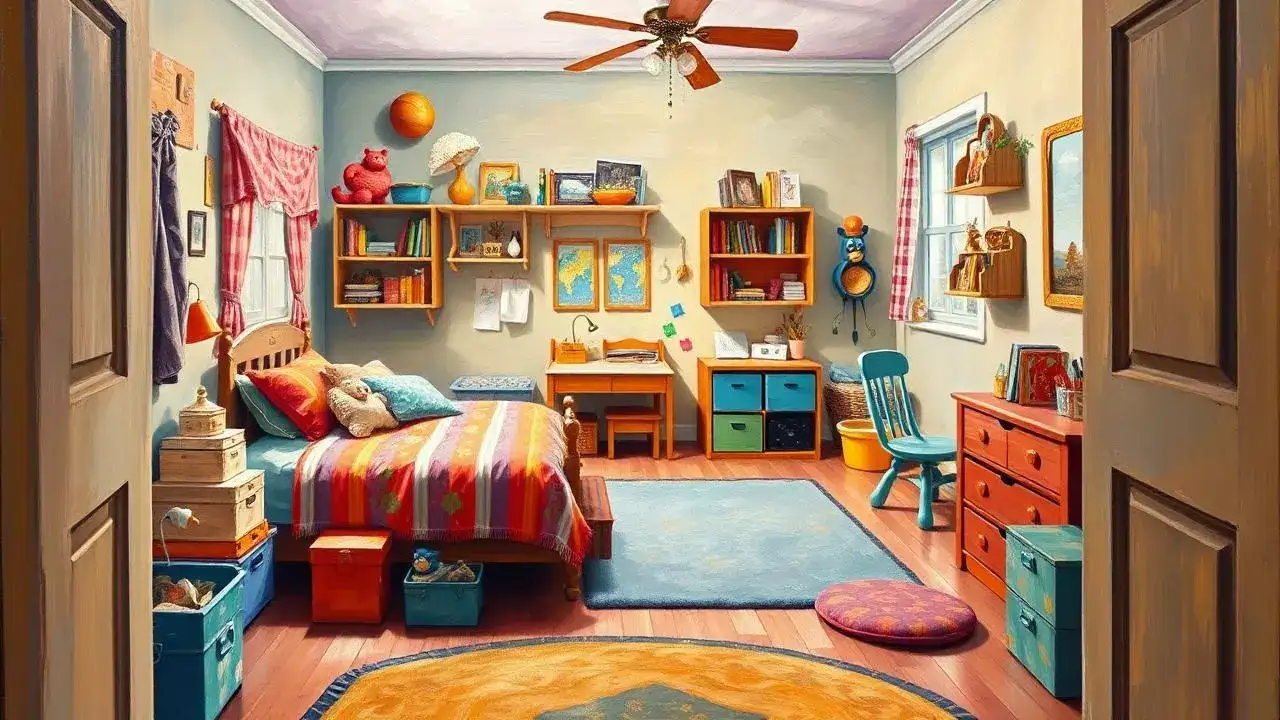
Choosing the Right Theme and Colour Scheme
The colour scheme of a child’s bedroom plays a crucial role in setting the mood and energy of the space. Soft pastels create a calm and soothing environment, while vibrant shades add energy and excitement. If your child has a favourite colour, incorporating it into the design can make the space feel more personal. Themes like jungle adventures, space exploration, fairy tales, or underwater worlds can make the room more immersive and enjoyable. However, it is wise to choose a theme that can grow with your child to avoid frequent redecorating.
Furniture That Balances Functionality and Fun
A child’s bedroom should have furniture that is both practical and playful. A sturdy and comfortable bed is the centrepiece, and options like bunk beds or loft beds can maximise space. Adjustable desks and ergonomic chairs provide an ideal study environment, while bookshelves and toy storage encourage organisation. Multi-purpose furniture, such as beds with built-in storage or foldable study tables, ensures that the room remains spacious and clutter-free. Choosing durable and child-friendly materials will also help maintain the longevity of the furniture.
Smart Storage Solutions for an Organised Space
Keeping a child’s room tidy can be challenging, but effective storage solutions can make organisation easier. Under-bed drawers, hanging organisers, and storage benches help make the most of available space. Open shelving allows easy access to books and toys, while labelled baskets or bins help children learn to keep their belongings in order. Encourage kids to participate in tidying up by making storage fun, such as using colourful bins or incorporating a reward system for keeping their room clean.
Creating a Comfortable Sleeping Area
Quality sleep is essential for a child’s development, so designing a cosy sleeping area is important. A good mattress, soft bedding, and blackout curtains contribute to a restful night’s sleep. Personal touches like favourite stuffed animals or themed bedding can make bedtime more inviting. Positioning the bed away from distractions, such as bright windows or noisy hallways, can further enhance sleep quality. A small nightlight or dimmable lamp can also provide comfort, especially for younger children who may be afraid of the dark.
A Dedicated Study and Creativity Corner
A well-lit and comfortable study area encourages concentration and learning. A study desk with ample space, a comfortable chair, and good lighting are essential for homework and creative activities. A pinboard or whiteboard can help children organise their tasks and ideas. If space allows, a small reading nook with a cosy chair and a bookshelf can encourage a love for reading. Personalising this space with motivational posters or artwork can make it more engaging and inspiring.
Encouraging Play and Imagination
Play is a crucial part of childhood, and a child’s bedroom should encourage creativity and fun. A play area with a soft rug, a small tent, or a playhouse can create a cosy spot for imaginative activities. If your child enjoys arts and crafts, a dedicated craft corner with easy-to-access supplies can nurture their creativity. Wall decals, chalkboard paint, or interactive wallpapers can add an element of fun while keeping the walls interesting and versatile.
Lighting That Sets the Right Mood
Proper lighting enhances the functionality and atmosphere of a child’s bedroom. A combination of ambient, task, and accent lighting ensures a well-balanced environment. Ceiling lights or pendant lamps provide general illumination, while desk lamps and reading lights cater to specific tasks. Soft, warm lighting at night can create a calming effect and prepare children for bedtime. Fairy lights or glow-in-the-dark elements can add a touch of magic to the space.
Making the Room Personal and Evolving
A child’s personality should shine through in their bedroom design. Personalising the space with framed artwork, photos, or DIY decorations makes it feel truly theirs. As children grow, their tastes and needs change, so creating a flexible space is essential. Using removable wall decals, easily interchangeable accessories, and furniture that adapts over time ensures that the room can evolve without frequent overhauls. Allowing children to be part of the decorating process also helps them feel a sense of ownership over their space.
Designing the perfect child’s bedroom requires a blend of creativity, practicality, and adaptability. By incorporating a thoughtful theme, functional furniture, smart storage, and a balanced mix of play and study areas, you can create a space that nurtures your child’s development. A well-organised, comfortable, and inspiring room will not only make their daily routines smoother but also foster creativity, relaxation, and happiness. With the right approach, their bedroom can become a cherished space where they can grow, dream, and thrive.
Choosing the Right Theme and Colour Scheme
The colour scheme of a child’s bedroom plays a crucial role in setting the mood and energy of the space. Soft pastels create a calm and soothing environment, while vibrant shades add energy and excitement. If your child has a favourite colour, incorporating it into the design can make the space feel more personal. Themes like jungle adventures, space exploration, fairy tales, or underwater worlds can make the room more immersive and enjoyable. However, it is wise to choose a theme that can grow with your child to avoid frequent redecorating.
Furniture That Balances Functionality and Fun
A child’s bedroom should have furniture that is both practical and playful. A sturdy and comfortable bed is the centrepiece, and options like bunk beds or loft beds can maximise space. Adjustable desks and ergonomic chairs provide an ideal study environment, while bookshelves and toy storage encourage organisation. Multi-purpose furniture, such as beds with built-in storage or foldable study tables, ensures that the room remains spacious and clutter-free. Choosing durable and child-friendly materials will also help maintain the longevity of the furniture.
Smart Storage Solutions for an Organised Space
Keeping a child’s room tidy can be challenging, but effective storage solutions can make organisation easier. Under-bed drawers, hanging organisers, and storage benches help make the most of available space. Open shelving allows easy access to books and toys, while labelled baskets or bins help children learn to keep their belongings in order. Encourage kids to participate in tidying up by making storage fun, such as using colourful bins or incorporating a reward system for keeping their room clean.
Creating a Comfortable Sleeping Area
Quality sleep is essential for a child’s development, so designing a cosy sleeping area is important. A good mattress, soft bedding, and blackout curtains contribute to a restful night’s sleep. Personal touches like favourite stuffed animals or themed bedding can make bedtime more inviting. Positioning the bed away from distractions, such as bright windows or noisy hallways, can further enhance sleep quality. A small nightlight or dimmable lamp can also provide comfort, especially for younger children who may be afraid of the dark.
A Dedicated Study and Creativity Corner
A well-lit and comfortable study area encourages concentration and learning. A study desk with ample space, a comfortable chair, and good lighting are essential for homework and creative activities. A pinboard or whiteboard can help children organise their tasks and ideas. If space allows, a small reading nook with a cosy chair and a bookshelf can encourage a love for reading. Personalising this space with motivational posters or artwork can make it more engaging and inspiring.
Encouraging Play and Imagination
Play is a crucial part of childhood, and a child’s bedroom should encourage creativity and fun. A play area with a soft rug, a small tent, or a playhouse can create a cosy spot for imaginative activities. If your child enjoys arts and crafts, a dedicated craft corner with easy-to-access supplies can nurture their creativity. Wall decals, chalkboard paint, or interactive wallpapers can add an element of fun while keeping the walls interesting and versatile.
Lighting That Sets the Right Mood
Proper lighting enhances the functionality and atmosphere of a child’s bedroom. A combination of ambient, task, and accent lighting ensures a well-balanced environment. Ceiling lights or pendant lamps provide general illumination, while desk lamps and reading lights cater to specific tasks. Soft, warm lighting at night can create a calming effect and prepare children for bedtime. Fairy lights or glow-in-the-dark elements can add a touch of magic to the space.
Making the Room Personal and Evolving
A child’s personality should shine through in their bedroom design. Personalising the space with framed artwork, photos, or DIY decorations makes it feel truly theirs. As children grow, their tastes and needs change, so creating a flexible space is essential. Using removable wall decals, easily interchangeable accessories, and furniture that adapts over time ensures that the room can evolve without frequent overhauls. Allowing children to be part of the decorating process also helps them feel a sense of ownership over their space.
Designing the perfect child’s bedroom requires a blend of creativity, practicality, and adaptability. By incorporating a thoughtful theme, functional furniture, smart storage, and a balanced mix of play and study areas, you can create a space that nurtures your child’s development. A well-organised, comfortable, and inspiring room will not only make their daily routines smoother but also foster creativity, relaxation, and happiness. With the right approach, their bedroom can become a cherished space where they can grow, dream, and thrive.
Next Story