
How to Make Your Home More Comfortable for Your Pet

Sharing a home with a pet brings companionship, activity and plenty of memorable moments. It also requires a little planning. From arranging feeding supplies to creating a comfortable resting area, small changes can help make everyday life easier for both pets and their owners.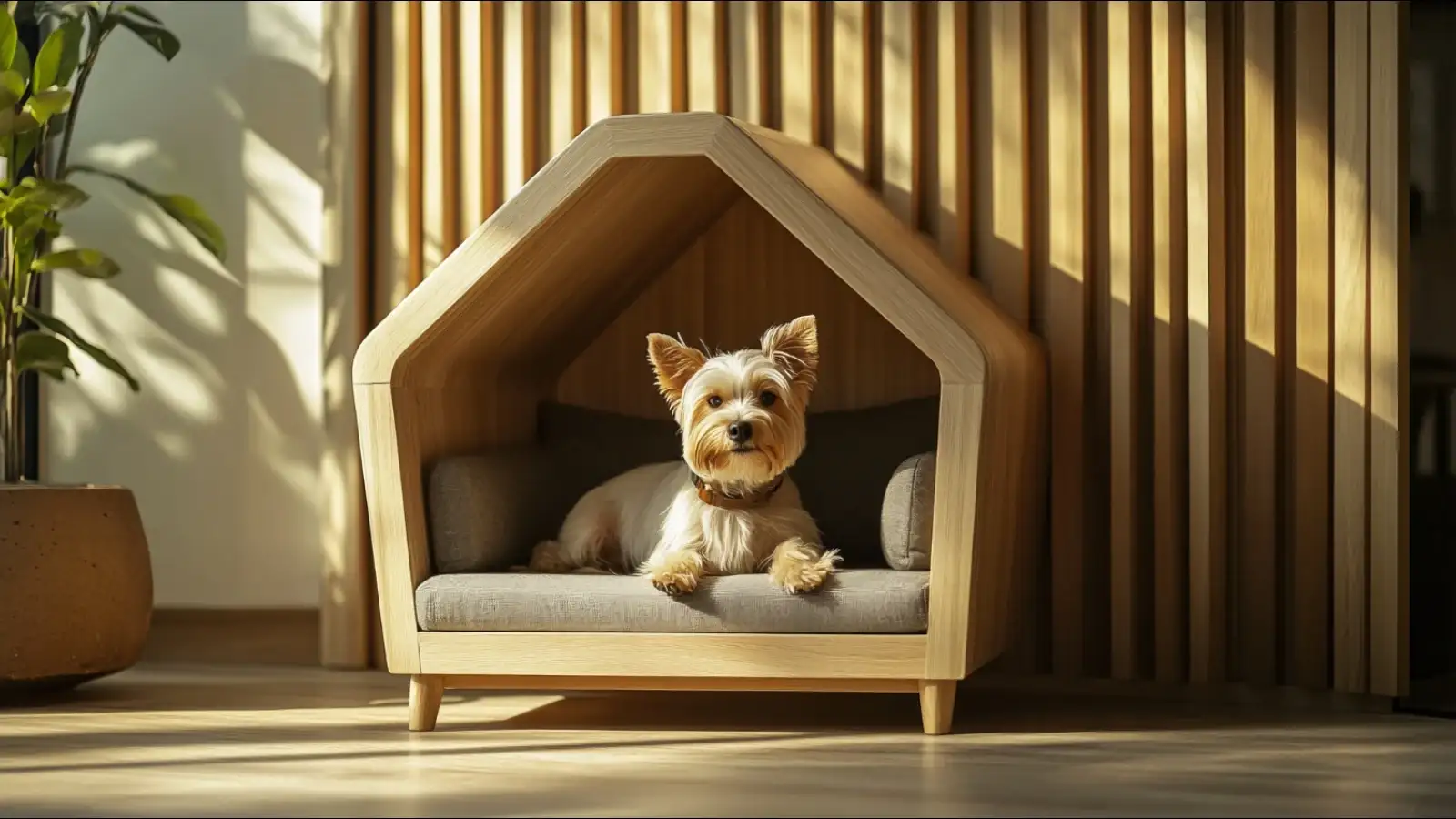
A pet-friendly home does not need expensive furniture or elaborate accessories. The goal is to create a space that suits the animal's needs while remaining practical for the household.
The right arrangement depends on the animal's age, size, temperament and established habits. Make sure the area is away from household hazards and does not obstruct doors or walkways.
Washable bedding can simplify cleaning, especially during seasonal changes or muddy weather. Follow the manufacturer's washing instructions and allow bedding to dry fully before using it again.
Use separate bowls for food and water, and place them somewhere that is easy to clean. A washable mat underneath can help contain spills.
Keep feeding routines reasonably consistent. If more than one person cares for the pet, agree on meal timings and portion sizes to avoid accidental double feeding.
Treats should also be stored securely. Ask your veterinarian about suitable foods and portion guidance for your individual pet, particularly before introducing unfamiliar ingredients.
Some common household foods and plants can be unsafe for dogs and cats. Before bringing a new plant into your home or sharing food from your plate, check whether it is suitable for the species.
Keep electrical cords organised and inspect toys for loose parts or damage. Replace items that could break apart and be swallowed.
Rotate toys occasionally to maintain interest without buying new items constantly. Supervise play when necessary, particularly when using toys with strings or small components.
Provide access to fresh water and ensure that resting areas remain comfortable during hot weather.
If you live in an apartment, consider neighbours when managing noise, shared corridors and lift use. Keep dogs on a lead in shared spaces where appropriate, and follow your housing society's rules.
The most effective pet-friendly home is one that balances comfort, safety and practicality. With thoughtful storage, suitable resting spaces and consistent routines, owners can create an environment in which pets feel secure and household tasks remain manageable.
A pet-friendly home does not need expensive furniture or elaborate accessories. The goal is to create a space that suits the animal's needs while remaining practical for the household.
Create a dedicated resting area
Choose a quiet corner where your pet can rest without constant interruptions. A dog may enjoy a comfortable bed in a familiar room, while a cat may prefer a sheltered spot or an elevated resting place.The right arrangement depends on the animal's age, size, temperament and established habits. Make sure the area is away from household hazards and does not obstruct doors or walkways.
Washable bedding can simplify cleaning, especially during seasonal changes or muddy weather. Follow the manufacturer's washing instructions and allow bedding to dry fully before using it again.
Keep feeding supplies organised
Store pet food in suitable, sealed containers and follow the storage instructions on the packaging. Keep food away from moisture, direct heat and household cleaning products.Use separate bowls for food and water, and place them somewhere that is easy to clean. A washable mat underneath can help contain spills.
Keep feeding routines reasonably consistent. If more than one person cares for the pet, agree on meal timings and portion sizes to avoid accidental double feeding.
Treats should also be stored securely. Ask your veterinarian about suitable foods and portion guidance for your individual pet, particularly before introducing unfamiliar ingredients.
You may also like
- Chennai gets bedazzled: A little glue, a lot of glam
- “Kim taught me multitasking, Kylie taught me…”: Kris Jenner reveals what each of her six children taught her
- 'Dubai became my second home': Turkish Consul General bids farewell with a taste of home
- Travel Guide: These 7 places in India look like they're abroad—you won't believe it whenyou see the photos..
- Karwa Chauth 2026: First Karwa Chauth after marriage? New brides must avoid these mistakes..
Make household storage safer
Pets are naturally curious, so cleaning products, medicines, sharp objects and small items should be kept out of reach. Secure cupboards where necessary and check that bins cannot be easily opened.Some common household foods and plants can be unsafe for dogs and cats. Before bringing a new plant into your home or sharing food from your plate, check whether it is suitable for the species.
Keep electrical cords organised and inspect toys for loose parts or damage. Replace items that could break apart and be swallowed.
Plan for indoor activity
Pets need opportunities for appropriate activity and engagement. Dogs may benefit from walks, play and simple training exercises suited to their needs. Cats may enjoy interactive toys, scratching surfaces and opportunities to explore their surroundings safely.Rotate toys occasionally to maintain interest without buying new items constantly. Supervise play when necessary, particularly when using toys with strings or small components.
Provide access to fresh water and ensure that resting areas remain comfortable during hot weather.
Build routines that work for everyone
A consistent routine can make household life more predictable. Set regular times for feeding, walks, play, grooming and cleaning according to your pet's needs.If you live in an apartment, consider neighbours when managing noise, shared corridors and lift use. Keep dogs on a lead in shared spaces where appropriate, and follow your housing society's rules.
The most effective pet-friendly home is one that balances comfort, safety and practicality. With thoughtful storage, suitable resting spaces and consistent routines, owners can create an environment in which pets feel secure and household tasks remain manageable.






Loving Newspoint? Download the app now
