
How to Start a Balcony Garden With Just a Few Pots

You do not need a large terrace or a backyard to enjoy gardening. Even a small balcony can become a pleasant green corner with a few pots, the right plants and some basic care. A balcony garden can also be started gradually, allowing you to understand what grows well in your available space before buying more plants.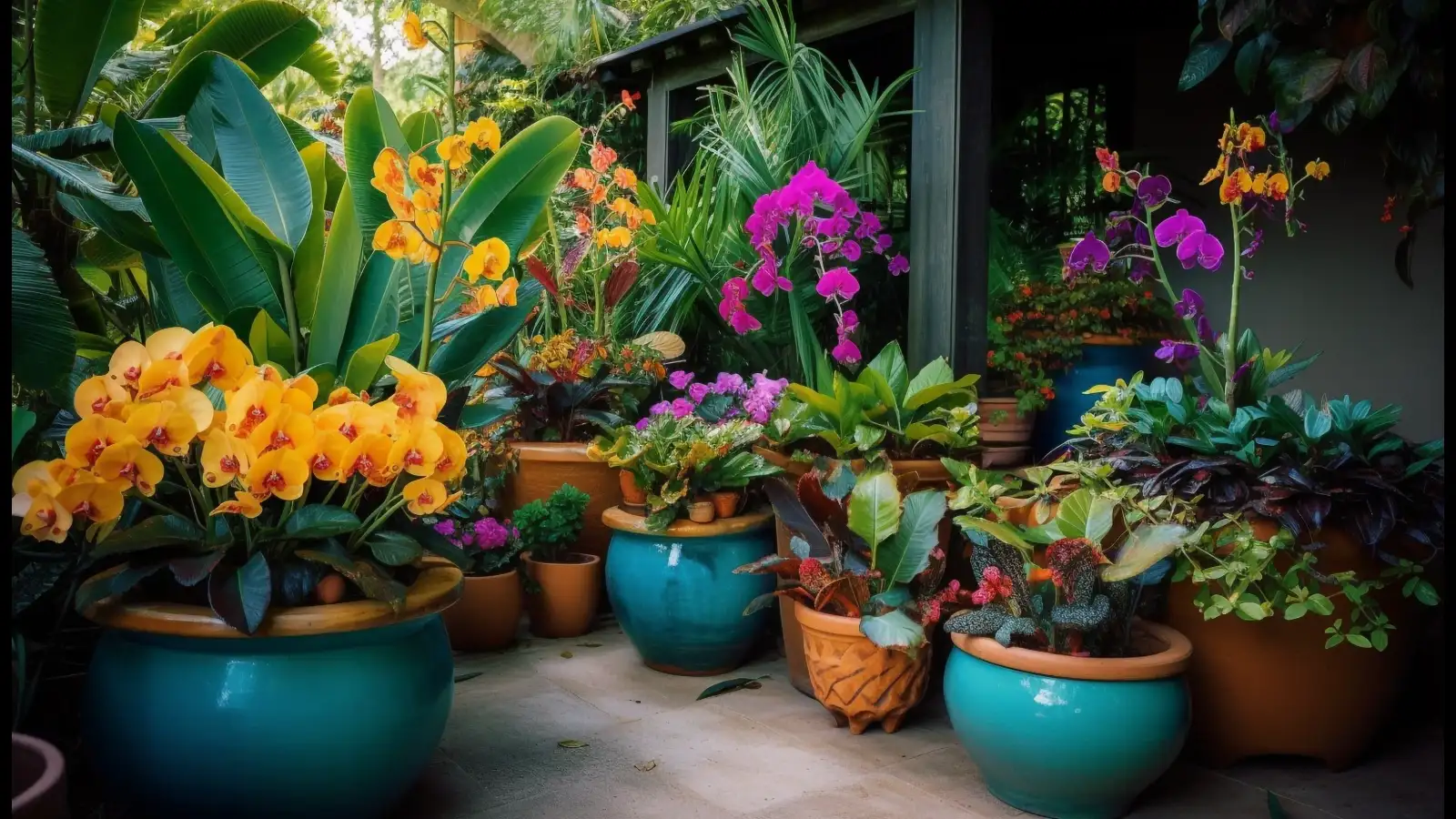
The amount of sunlight can help you decide which plants are suitable. A bright balcony can support many flowering, herb and vegetable plants, while a shadier space may be better suited to plants that tolerate lower light.
Choose pots with drainage holes at the bottom. Excess water needs a way to escape, as constantly waterlogged soil can damage plant roots.
If you are new to gardening, starting small also makes watering, cleaning and monitoring the plants easier.
Herbs such as mint and coriander can be considered for a small edible garden, while flowering plants can add colour. Some leafy vegetables and other compact edible plants can also grow in containers when given suitable conditions.
Avoid choosing plants simply because they look attractive at a nursery. Check their light, watering and space requirements first.
A suitable container mix should allow excess water to drain while retaining enough moisture for the roots. You can also use compost or another suitable organic material as part of the growing medium, following the requirements of the plant.
Keep enough space between containers for air movement and for you to water and inspect the plants comfortably.
Also consider the weight of the pots, soil and water. Balcony gardening should not compromise the structural safety of the building. If you plan to add many heavy containers, check the building's guidelines or seek professional advice about the balcony's load capacity.
Instead of following a fixed schedule for every plant, check the soil and consider the plant's needs and weather conditions. Some plants need more frequent watering than others.
Water thoroughly when required, allowing excess water to drain from the pot. During hot or dry weather, containers may lose moisture faster, so they may need closer attention.
Use compost or a suitable plant fertiliser according to the instructions. Avoid applying more fertiliser than recommended, as excess nutrients can harm plants.
Look at the leaves and stems while watering. Yellowing leaves, wilting, damaged foliage or visible insects can indicate that something needs attention. However, not every change means a plant is seriously affected, so avoid immediately using strong treatments without identifying the problem.
Remove dead or damaged plant parts when appropriate and keep fallen leaves and other garden waste from accumulating around the pots.
The key is to let the garden grow with your experience. A balcony with three healthy, well-maintained pots can be far more rewarding than one crowded with plants that are difficult to care for.
Start with plants that match your balcony's conditions rather than trying to recreate a large garden in a small space. As you learn how much sunlight, water and attention each plant needs, you can slowly turn even a modest balcony into a green and enjoyable corner.
Start With the Space You Have
Before buying anything, observe your balcony for a few days. Notice how much sunlight it receives and at what time of the day. Also check whether the area is exposed to strong wind or rain.The amount of sunlight can help you decide which plants are suitable. A bright balcony can support many flowering, herb and vegetable plants, while a shadier space may be better suited to plants that tolerate lower light.
Begin With Just a Few Pots
There is no need to fill the balcony with pots immediately. Start with three or four containers of different sizes, depending on the space available.Choose pots with drainage holes at the bottom. Excess water needs a way to escape, as constantly waterlogged soil can damage plant roots.
If you are new to gardening, starting small also makes watering, cleaning and monitoring the plants easier.
Pick Easy Plants
Choose plants according to your balcony's sunlight and the amount of time you can spend caring for them.Herbs such as mint and coriander can be considered for a small edible garden, while flowering plants can add colour. Some leafy vegetables and other compact edible plants can also grow in containers when given suitable conditions.
Avoid choosing plants simply because they look attractive at a nursery. Check their light, watering and space requirements first.
Use Suitable Potting Soil
Plants grown in containers depend on the growing medium inside the pot for water, air and nutrients. Use a good-quality potting mix rather than simply filling containers with heavy garden soil.A suitable container mix should allow excess water to drain while retaining enough moisture for the roots. You can also use compost or another suitable organic material as part of the growing medium, following the requirements of the plant.
Place Pots Carefully
Arrange the pots according to their sunlight requirements. Plants that need more light should get the brightest suitable spot, while plants that prefer less direct sunlight can be placed in comparatively shaded areas.Keep enough space between containers for air movement and for you to water and inspect the plants comfortably.
Also consider the weight of the pots, soil and water. Balcony gardening should not compromise the structural safety of the building. If you plan to add many heavy containers, check the building's guidelines or seek professional advice about the balcony's load capacity.
Water Without Overdoing It
One of the most common mistakes beginners make is watering plants too frequently.Instead of following a fixed schedule for every plant, check the soil and consider the plant's needs and weather conditions. Some plants need more frequent watering than others.
Water thoroughly when required, allowing excess water to drain from the pot. During hot or dry weather, containers may lose moisture faster, so they may need closer attention.
Feed Your Plants When Needed
Plants in containers have limited access to nutrients because their roots are restricted to the pot. Depending on the plant and potting mix, occasional feeding may be necessary.Use compost or a suitable plant fertiliser according to the instructions. Avoid applying more fertiliser than recommended, as excess nutrients can harm plants.
You may also like
- The death of beige: Why colour is coming back into Indian homes
- Why Alia Bhatt has been sending emails to daughter Raha since her birth: “When she's 15, I'd give this to her and say…”
- Trains Cancelled: Over 17 trains cancelled from September 24 to October 4; passengers should check the list.
- Solar panels can be insured too—will you get a payout for theft or damage?
- EPF Scheme: Government May Reduce PF Contributions for 3 Months
Keep an Eye on Your Plants
A balcony garden needs regular observation more than complicated gardening techniques.Look at the leaves and stems while watering. Yellowing leaves, wilting, damaged foliage or visible insects can indicate that something needs attention. However, not every change means a plant is seriously affected, so avoid immediately using strong treatments without identifying the problem.
Remove dead or damaged plant parts when appropriate and keep fallen leaves and other garden waste from accumulating around the pots.
Expand Slowly
Once you are comfortable caring for your first few plants, you can gradually add more. You might create a small herb section, introduce flowering plants or try growing a few vegetables in suitable containers.The key is to let the garden grow with your experience. A balcony with three healthy, well-maintained pots can be far more rewarding than one crowded with plants that are difficult to care for.
Make Your Balcony Garden Simple
Starting a balcony garden does not have to involve a big investment. A few pots, suitable plants, good drainage, appropriate soil and regular care are enough to begin.Start with plants that match your balcony's conditions rather than trying to recreate a large garden in a small space. As you learn how much sunlight, water and attention each plant needs, you can slowly turn even a modest balcony into a green and enjoyable corner.






Loving Newspoint? Download the app now
