
Stylish Yet Safe: How To Design A Living Room That Works For Both You and Your Pets

A home should be a welcoming place for every member of the family—including the four-legged ones. For pet owners, the challenge often lies in creating a living space that not only reflects personal taste and style but also accommodates the comfort and needs of their pets. Fortunately, it is entirely possible to strike a balance between elegance and functionality. A thoughtfully designed living room can be chic, practical, and perfectly suited for pets. With a few smart choices in furniture, fabrics, and layout, you can maintain your home's aesthetic appeal while ensuring it remains safe and cosy for your furry companions.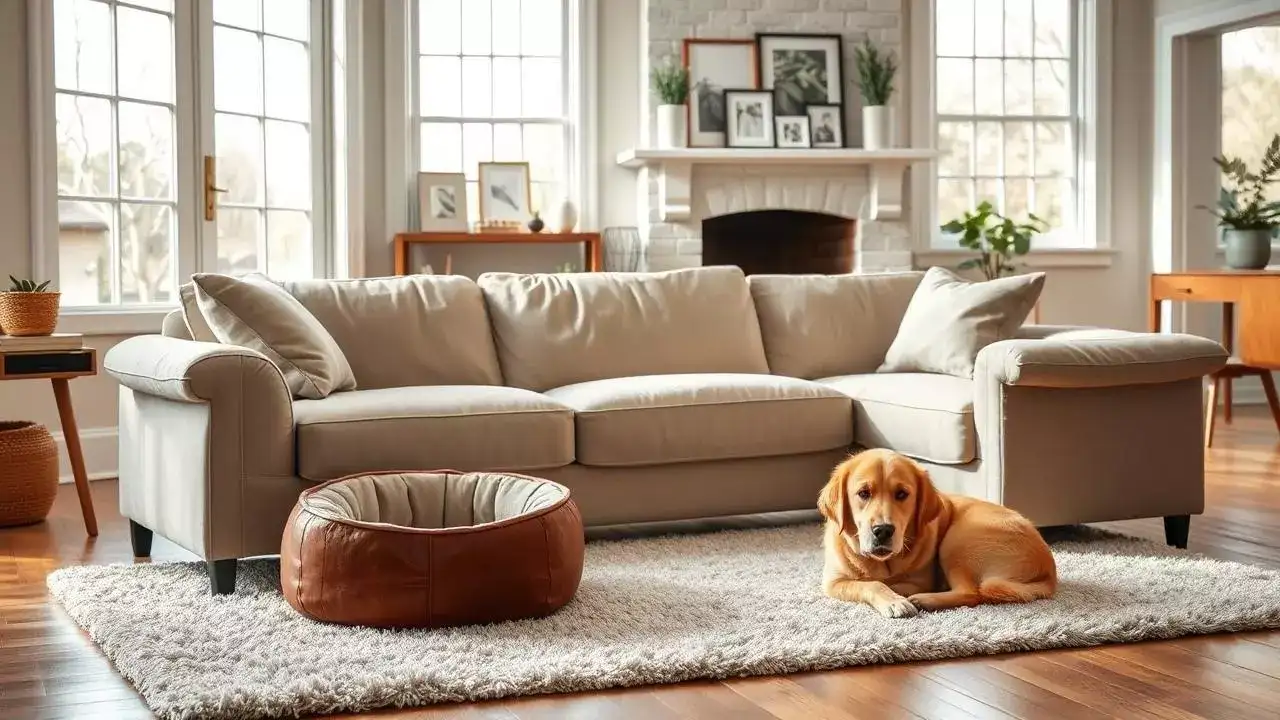
Choose Pet-Friendly Fabrics That Are Durable and Easy to Clean
When pets are part of the household, the choice of fabric plays a crucial role. Upholstery materials such as leather, microfiber, or tightly woven fabrics are ideal, as they are easier to clean and less prone to collecting fur. Leather, though slightly more expensive, is a great option as it resists odours and can be wiped down easily. Microfiber is also a popular choice due to its durability and resistance to stains. Avoid delicate materials like silk, velvet, or chenille, which can be damaged easily by claws and fur.
Opt for Pet-Safe Flooring Solutions
Pets can be hard on floors, especially when claws and muddy paws come into play. Consider investing in scratch-resistant and non-slip flooring like ceramic tiles, laminate, or luxury vinyl. These surfaces are not only durable but also easy to maintain. If you prefer a cosier feel, choose rugs made from washable materials. Look for low-pile or flat-weave rugs, which are less likely to trap pet hair and are easier to vacuum. Many brands now offer pet-proof rugs that resist staining and odours, combining practicality with design.
Furniture That’s Functional for Pets and Humans Alike
Incorporating multifunctional furniture is a clever way to keep your space stylish while catering to pets. Ottomans with hidden storage can hold pet toys and blankets, while also serving as extra seating. Choose sofas with removable cushion covers that can be washed or replaced easily. For those with smaller pets, consider furniture with lower heights or even pet-friendly ramps that help them climb onto sofas without strain. Also, skip any sharp-edged tables if you have an energetic pet that tends to run around.
Designated Pet Zones Can Help Keep Things Tidy
Allocating a specific area of the living room for your pet can go a long way in maintaining order. A stylish pet bed or a well-designed crate in a quiet corner can give your pet a space of their own. Choose designs that blend with your room’s décor, such as neutral-toned or wooden-framed beds. You might even incorporate built-in feeding stations in cabinetry or side tables to make feeding areas less intrusive. These little additions create harmony between your home’s aesthetic and your pet’s routine.
Decor That’s Delightful But Safe
Decorative items and accessories can make or break the look of a room—but when pets are involved, safety should always come first. Avoid displaying fragile or valuable items on low shelves where pets might knock them over. Likewise, steer clear of plants that may be toxic to animals, such as lilies, philodendrons, and poinsettias. Instead, choose pet-safe houseplants like spider plants, areca palms, or bamboo. Keep electrical cords concealed or out of reach to prevent chewing accidents. If candles are part of your décor, opt for battery-operated LED versions to avoid fire hazards.
Embrace a Neutral Palette with Accents
Choosing a neutral colour scheme not only creates a calm, clean canvas for your décor but also camouflages pet hair better than dark or overly bright tones. Add personality through colourful throws, cushions, or wall art—all of which can be changed easily. Incorporating washable or stain-resistant fabrics in these accents makes it easier to deal with the inevitable spills and smudges.
Air Quality and Odour Control Matter
Maintaining a fresh-smelling and healthy environment is essential in a pet-friendly home. Use air purifiers to reduce allergens, pet dander, and odours. Ensure proper ventilation, especially if your pet sheds a lot or has a strong natural scent. Essential oil diffusers can help—but always choose pet-safe oils such as lavender or chamomile, and never let your pet ingest or come into contact with them directly. Regular vacuuming and grooming your pet can also significantly reduce odour and hair build-up.
Lighting and Layout for Comfort
Consider natural light and window access for your pet, especially if they like to lounge in the sun or watch the outdoors. Setting up a cosy spot near a window can keep them entertained and relaxed. Ensure the living room layout allows easy movement for pets, especially for older animals that may struggle with tight corners or cluttered spaces. Minimalist, open layouts can help reduce anxiety and improve safety.
Balance Style with Real-Life Practicality
Ultimately, designing a pet-friendly living room doesn’t mean you have to compromise on style. By making thoughtful choices in materials, furniture, and décor, you can create a space that is as elegant as it is functional. Pets are part of the family, and your home should reflect that—providing comfort for them and peace of mind for you.
Disclaimer: This article is for informational purposes only. Please consider your pet’s specific needs and consult with a veterinarian or professional pet trainer when making changes to your living environment.
Choose Pet-Friendly Fabrics That Are Durable and Easy to Clean
When pets are part of the household, the choice of fabric plays a crucial role. Upholstery materials such as leather, microfiber, or tightly woven fabrics are ideal, as they are easier to clean and less prone to collecting fur. Leather, though slightly more expensive, is a great option as it resists odours and can be wiped down easily. Microfiber is also a popular choice due to its durability and resistance to stains. Avoid delicate materials like silk, velvet, or chenille, which can be damaged easily by claws and fur.
Opt for Pet-Safe Flooring Solutions
Pets can be hard on floors, especially when claws and muddy paws come into play. Consider investing in scratch-resistant and non-slip flooring like ceramic tiles, laminate, or luxury vinyl. These surfaces are not only durable but also easy to maintain. If you prefer a cosier feel, choose rugs made from washable materials. Look for low-pile or flat-weave rugs, which are less likely to trap pet hair and are easier to vacuum. Many brands now offer pet-proof rugs that resist staining and odours, combining practicality with design.
Furniture That’s Functional for Pets and Humans Alike
Incorporating multifunctional furniture is a clever way to keep your space stylish while catering to pets. Ottomans with hidden storage can hold pet toys and blankets, while also serving as extra seating. Choose sofas with removable cushion covers that can be washed or replaced easily. For those with smaller pets, consider furniture with lower heights or even pet-friendly ramps that help them climb onto sofas without strain. Also, skip any sharp-edged tables if you have an energetic pet that tends to run around.
Designated Pet Zones Can Help Keep Things Tidy
Allocating a specific area of the living room for your pet can go a long way in maintaining order. A stylish pet bed or a well-designed crate in a quiet corner can give your pet a space of their own. Choose designs that blend with your room’s décor, such as neutral-toned or wooden-framed beds. You might even incorporate built-in feeding stations in cabinetry or side tables to make feeding areas less intrusive. These little additions create harmony between your home’s aesthetic and your pet’s routine.
Decor That’s Delightful But Safe
Decorative items and accessories can make or break the look of a room—but when pets are involved, safety should always come first. Avoid displaying fragile or valuable items on low shelves where pets might knock them over. Likewise, steer clear of plants that may be toxic to animals, such as lilies, philodendrons, and poinsettias. Instead, choose pet-safe houseplants like spider plants, areca palms, or bamboo. Keep electrical cords concealed or out of reach to prevent chewing accidents. If candles are part of your décor, opt for battery-operated LED versions to avoid fire hazards.
Embrace a Neutral Palette with Accents
Choosing a neutral colour scheme not only creates a calm, clean canvas for your décor but also camouflages pet hair better than dark or overly bright tones. Add personality through colourful throws, cushions, or wall art—all of which can be changed easily. Incorporating washable or stain-resistant fabrics in these accents makes it easier to deal with the inevitable spills and smudges.
Air Quality and Odour Control Matter
Maintaining a fresh-smelling and healthy environment is essential in a pet-friendly home. Use air purifiers to reduce allergens, pet dander, and odours. Ensure proper ventilation, especially if your pet sheds a lot or has a strong natural scent. Essential oil diffusers can help—but always choose pet-safe oils such as lavender or chamomile, and never let your pet ingest or come into contact with them directly. Regular vacuuming and grooming your pet can also significantly reduce odour and hair build-up.
Lighting and Layout for Comfort
Consider natural light and window access for your pet, especially if they like to lounge in the sun or watch the outdoors. Setting up a cosy spot near a window can keep them entertained and relaxed. Ensure the living room layout allows easy movement for pets, especially for older animals that may struggle with tight corners or cluttered spaces. Minimalist, open layouts can help reduce anxiety and improve safety.
Balance Style with Real-Life Practicality
Ultimately, designing a pet-friendly living room doesn’t mean you have to compromise on style. By making thoughtful choices in materials, furniture, and décor, you can create a space that is as elegant as it is functional. Pets are part of the family, and your home should reflect that—providing comfort for them and peace of mind for you.
Disclaimer: This article is for informational purposes only. Please consider your pet’s specific needs and consult with a veterinarian or professional pet trainer when making changes to your living environment.
Next Story