
How To Check If Fruits Have Been Artificially Ripened

Fresh fruits are an important part of a healthy diet, but choosing good-quality produce is not always as simple as picking the brightest or most attractive pieces. Some fruits may be treated with artificial colours, excessive ripening agents or other substances to improve their appearance, speed up ripening or extend shelf life. While not every unusual-looking fruit is adulterated, certain warning signs can help consumers make safer choices. Experts generally recommend buying seasonal produce from reliable sellers, washing fruits thoroughly and avoiding items that show suspiciously uniform colour, unnatural ripening or visible surface treatment.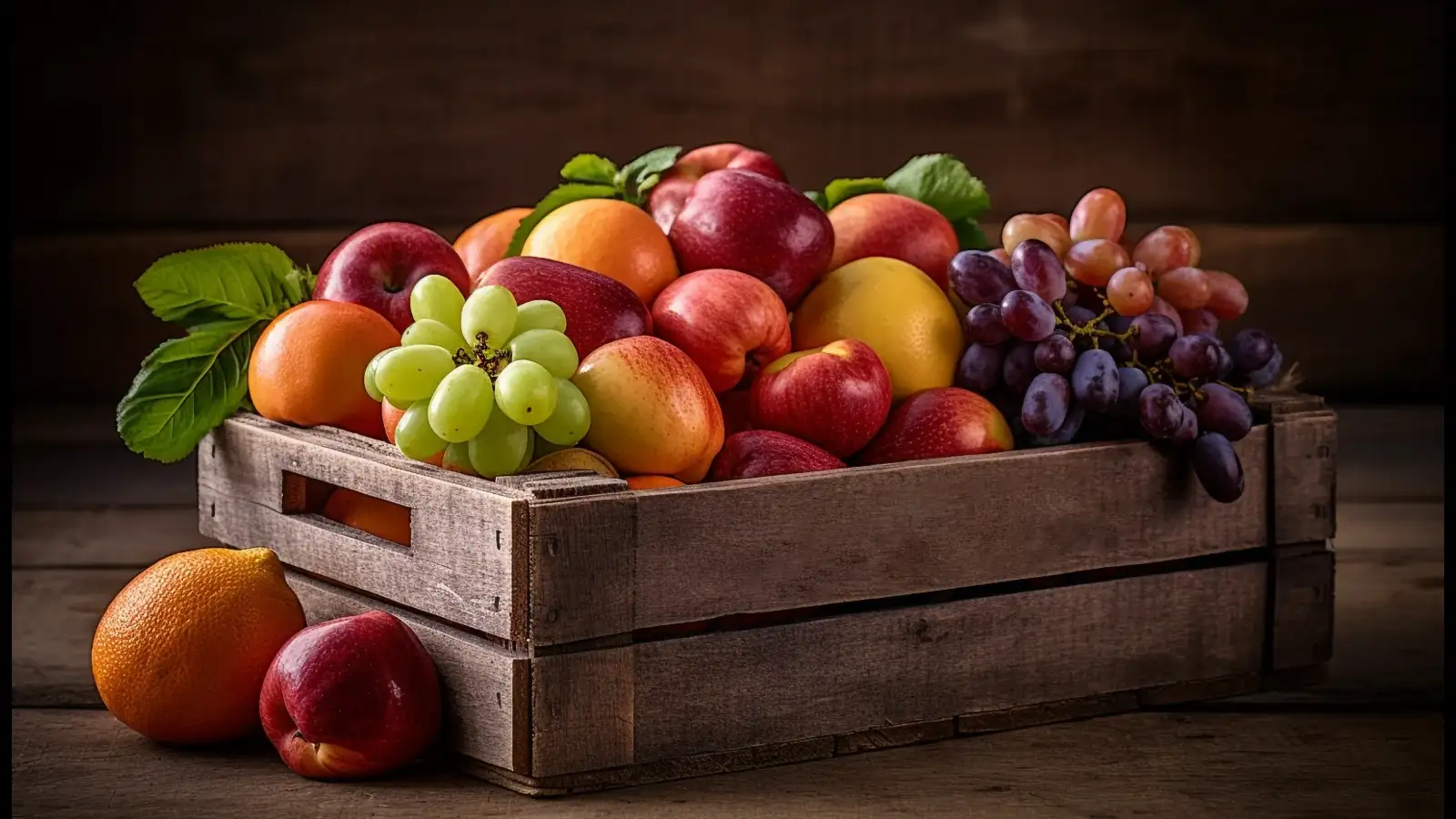
For example, fruits that look unnaturally glossy or intensely coloured may have been treated to improve their appearance. However, colour alone cannot confirm adulteration, as different varieties and growing conditions can also affect appearance.
Also check for bruises, cuts, mould and damaged skin. A few natural marks are not necessarily a sign of poor quality, but extensive damage can increase the risk of spoilage.
An unusual chemical-like smell should also make you cautious. Avoid fruits that have a strong, unfamiliar odour rather than assuming that an attractive appearance means better quality.
When cutting the fruit, look for a natural texture and colour inside. If the exterior looks perfectly ripe but the flesh is unusually hard, pale or inconsistent, it may be better to avoid it.
Consumers should avoid relying on a single visual characteristic. A combination of unusual shine, unnatural colour, strange texture and lack of aroma is a stronger reason to be cautious.
Do not choose fruits solely because they are larger, brighter or more perfectly shaped. Natural variation is normal, and small marks do not necessarily mean that a fruit is unsafe.
For fruits with edible skins, washing is particularly important. Avoid using household detergents or cleaning chemicals on food.
If adulteration is suspected, the safest approach is to avoid consuming the questionable fruit and report serious concerns to the relevant food-safety authorities or seek professional testing. Consumers should also avoid viral home-testing tricks unless they are backed by credible food-safety guidance.
The simplest approach is to buy fresh, seasonal fruits from trustworthy sources, inspect them carefully and wash them properly before eating. Appearance can provide useful clues, but it should never be treated as a definitive laboratory test for adulteration.
Check The Colour Carefully
One of the easiest things to notice is the colour of a fruit. Naturally ripened fruits usually have some variation in shade and texture. If the colour appears unusually bright, extremely uniform or inconsistent with the fruit's natural appearance, it is worth being cautious.For example, fruits that look unnaturally glossy or intensely coloured may have been treated to improve their appearance. However, colour alone cannot confirm adulteration, as different varieties and growing conditions can also affect appearance.
Look At The Skin
Examine the fruit closely before buying it. An unusually shiny surface, sticky feeling, patches of artificial-looking colour or powdery residue may indicate that the fruit has been treated after harvesting.Also check for bruises, cuts, mould and damaged skin. A few natural marks are not necessarily a sign of poor quality, but extensive damage can increase the risk of spoilage.
Smell The Fruit
A fresh, naturally ripened fruit generally has a characteristic aroma. If a fruit looks ripe but has little or no natural smell, it may have been ripened artificially, although this is not a conclusive test.An unusual chemical-like smell should also make you cautious. Avoid fruits that have a strong, unfamiliar odour rather than assuming that an attractive appearance means better quality.
Check For Uneven Ripening
Natural ripening does not always happen evenly. A fruit may have slightly different shades or varying degrees of softness. Extremely uniform ripening across several fruits can sometimes be a warning sign, particularly when the produce is available well outside its usual season.When cutting the fruit, look for a natural texture and colour inside. If the exterior looks perfectly ripe but the flesh is unusually hard, pale or inconsistent, it may be better to avoid it.
You may also like
- Cute little Arunachal girl gives the most innocent response to being called “Chinese”; Why we can't get over this video
- 83 members, 6 generations, one kitchen: Meet the extraordinary family from Andhra Pradesh where 50 kg of rice is cooked every day
- Why One Bad Heartbreak is Enough for Some People to Never Love Again?
- UP Creators Summit and Awards 2026: Full list of winners across creator categories
- Before the Megxit headlines, there was a blind date: Here is the Harry-Meghan love story that unfolded over the years
Be Careful With Artificial Shine
Some fruits naturally have smooth or waxy skins, so shine is not automatically evidence of adulteration. However, an excessively polished appearance combined with a slippery or sticky surface deserves attention.Consumers should avoid relying on a single visual characteristic. A combination of unusual shine, unnatural colour, strange texture and lack of aroma is a stronger reason to be cautious.
Buy Seasonal And Local Produce
Seasonal fruits are generally a sensible choice because they are more likely to be harvested during their natural growing period. Buying from established vendors, supermarkets or trusted local sellers can also reduce the chances of purchasing poorly handled produce.Do not choose fruits solely because they are larger, brighter or more perfectly shaped. Natural variation is normal, and small marks do not necessarily mean that a fruit is unsafe.
Wash Fruits Before Eating
Regardless of where fruits are purchased, washing them properly before consumption is important. Rinse them under clean running water and gently rub the surface to remove dirt and some surface residues. Fruits that are peeled should also be washed before cutting, because contaminants on the skin can transfer to the flesh through a knife.For fruits with edible skins, washing is particularly important. Avoid using household detergents or cleaning chemicals on food.
Remember That Home Tests Have Limits
There is no reliable home method that can identify every form of fruit adulteration . Visual inspection, smell and texture can help identify suspicious produce, but they cannot prove that a fruit has been chemically treated.If adulteration is suspected, the safest approach is to avoid consuming the questionable fruit and report serious concerns to the relevant food-safety authorities or seek professional testing. Consumers should also avoid viral home-testing tricks unless they are backed by credible food-safety guidance.
The simplest approach is to buy fresh, seasonal fruits from trustworthy sources, inspect them carefully and wash them properly before eating. Appearance can provide useful clues, but it should never be treated as a definitive laboratory test for adulteration.






Loving Newspoint? Download the app now
