
How To Detect Adulterated Namkeen Before It Affects Your Health And Daily Eating Habits

Namkeen remains one of the most loved snack options across India. From spicy mixtures and bhujia to sev and fried snacks, these crunchy treats are commonly enjoyed during tea breaks, festivals, travel, and social gatherings. However, rising concerns over food adulteration in snacks have made consumers more cautious about the quality and safety of packaged and loose namkeen available in markets.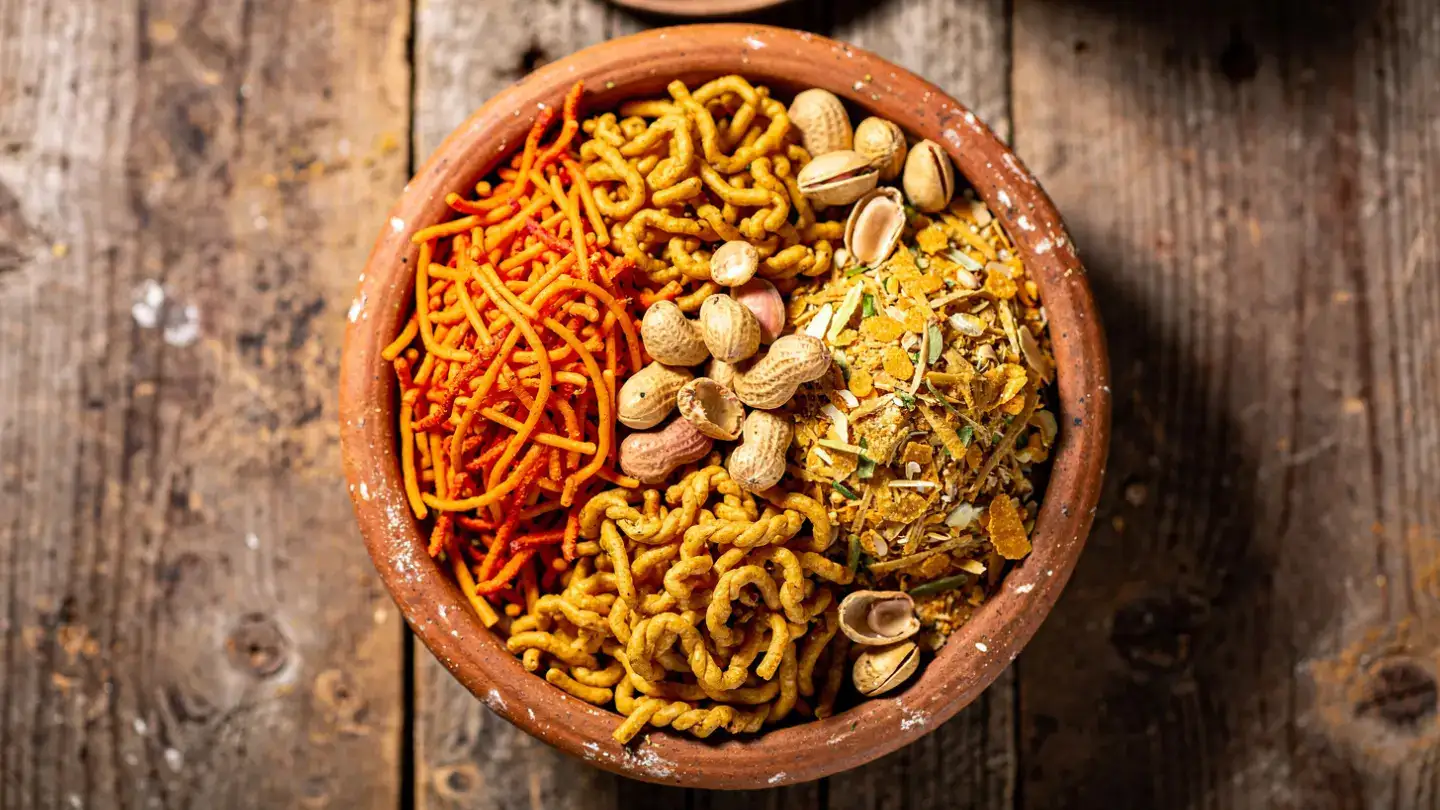
Adulteration often involves the use of low-quality oils, artificial colours, stale ingredients, or unsafe additives to improve appearance, shelf life, or profit margins. Regular consumption of poor-quality snacks may affect health over time, especially when products contain excessive artificial ingredients or improperly stored materials.
The good news is that consumers can often identify warning signs of adulterated namkeen through simple observations at home. Understanding what to check before buying or consuming namkeen can help reduce health risks and encourage safer food habits.
For example, sev or mixtures that appear unusually yellow, orange, or red compared to their natural appearance should be examined carefully. Natural ingredients usually produce milder and more balanced colours rather than extremely vibrant tones.
Artificial colours are often added to make snacks look fresher and more attractive, but excessive colouring may not always be safe for regular consumption.
Rancid oil smell is one of the most common warning signs in fried snacks. Namkeen prepared using reused or old oil may develop an unpleasant odour over time.
Consumers should avoid eating namkeen that smells stale, sour, or chemically treated, as it may not be safe.
Excess oil coating may indicate poor frying methods or low-quality oil usage. Some adulterated products may also contain excessive artificial flavouring powders that leave a strange aftertaste.
Healthy snack safety tips often include checking texture because moisture exposure and improper storage can quickly affect snack quality.
Always check:
Safe packaged namkeen often comes with proper sealing and transparent food safety information.
Repeatedly heated oil can affect both taste and nutritional quality. Snacks prepared using stale oil may also appear unusually greasy or sticky.
If the namkeen leaves excessive oil stains or feels unusually heavy, it is better to consume it cautiously or avoid it altogether.
Consumers should compare products from reliable brands to understand what normal texture and appearance usually look like.
Being observant while shopping can help identify fake food products more effectively.
Consumers should observe whether:
Excessively salty or spicy namkeen may sometimes be used to hide poor-quality ingredients or stale oil flavours. If the snack leaves irritation in the throat or an unusual aftertaste, it is safer to avoid consuming more.
Natural ingredients usually produce balanced and familiar flavours without strong chemical sensations.
Namkeen should be stored in airtight containers away from direct sunlight and humidity. Proper storage helps maintain freshness, crispness, and flavour for longer periods.
Consumers should also avoid consuming namkeen long after opening packets, especially during humid weather.
Certified products generally undergo better quality checks and packaging standards compared to unknown or poorly labelled products. Although branded products may sometimes cost slightly more, they often provide greater assurance regarding hygiene and ingredient quality.
Consumers today are becoming more aware of food safety, making it important to choose snacks responsibly.
Namkeen continues to remain a favourite snack across households, but awareness about food adulteration is becoming increasingly important. From checking colour and smell to inspecting packaging and oil quality, simple observations can help consumers identify possible quality issues before consumption.
Learning how to detect adulterated namkeen not only protects health but also encourages smarter food choices and better eating habits. By staying alert and choosing products carefully, consumers can continue enjoying their favourite snacks more safely and confidently.
Image Courtesy: Meta AI
Adulteration often involves the use of low-quality oils, artificial colours, stale ingredients, or unsafe additives to improve appearance, shelf life, or profit margins. Regular consumption of poor-quality snacks may affect health over time, especially when products contain excessive artificial ingredients or improperly stored materials.
The good news is that consumers can often identify warning signs of adulterated namkeen through simple observations at home. Understanding what to check before buying or consuming namkeen can help reduce health risks and encourage safer food habits.
Check The Colour Carefully
One of the easiest ways to detect adulterated namkeen is by observing its colour. Extremely bright or unnatural shades may indicate excessive use of artificial colouring agents.For example, sev or mixtures that appear unusually yellow, orange, or red compared to their natural appearance should be examined carefully. Natural ingredients usually produce milder and more balanced colours rather than extremely vibrant tones.
Artificial colours are often added to make snacks look fresher and more attractive, but excessive colouring may not always be safe for regular consumption.
Notice The Smell Before Eating
Fresh namkeen generally has a pleasant aroma coming from spices, roasted ingredients, and cooking oil. A strong chemical smell, stale odour, or unusually sharp aroma may indicate poor-quality oil or improper storage conditions.Rancid oil smell is one of the most common warning signs in fried snacks. Namkeen prepared using reused or old oil may develop an unpleasant odour over time.
Consumers should avoid eating namkeen that smells stale, sour, or chemically treated, as it may not be safe.
Examine The Texture And Crispness
Texture can reveal a lot about the freshness and quality of namkeen. Freshly prepared namkeen usually feels crisp and light, while stale products often feel soft, chewy, or excessively oily.Excess oil coating may indicate poor frying methods or low-quality oil usage. Some adulterated products may also contain excessive artificial flavouring powders that leave a strange aftertaste.
Healthy snack safety tips often include checking texture because moisture exposure and improper storage can quickly affect snack quality.
Inspect Packaging Quality
When buying packaged namkeen, consumers should inspect the packaging carefully. Damaged, swollen, or loosely sealed packets may indicate poor storage or contamination.Always check:
- Manufacturing date
- Expiry date
- FSSAI licence details
- Ingredient list
- Oil type mentioned on packaging
Safe packaged namkeen often comes with proper sealing and transparent food safety information.
Watch For Excessive Oil Residue
Too much oil residue inside the packet or on the hands after touching namkeen may indicate poor oil quality or improper frying techniques.Repeatedly heated oil can affect both taste and nutritional quality. Snacks prepared using stale oil may also appear unusually greasy or sticky.
If the namkeen leaves excessive oil stains or feels unusually heavy, it is better to consume it cautiously or avoid it altogether.
Avoid Namkeen With Artificial Shine
Some adulterated namkeen products may appear unusually glossy or polished because of artificial coatings or excessive oil spraying. While certain snacks naturally contain oil, an unnatural shiny appearance can sometimes indicate over-processing.Consumers should compare products from reliable brands to understand what normal texture and appearance usually look like.
Being observant while shopping can help identify fake food products more effectively.
Check Loose Namkeen Carefully
Loose namkeen sold in open containers requires extra caution because storage conditions may not always be hygienic. Exposure to dust, moisture, insects, and air can affect freshness and safety.Consumers should observe whether:
- The storage containers are clean
- The namkeen looks fresh
- There are unusual smells
- The vendor maintains proper hygiene
Taste Can Reveal Quality Issues
Taste is another important factor while identifying adulterated food detection signs. Extremely bitter, metallic, chemical-like, or artificial flavours should not be ignored.Excessively salty or spicy namkeen may sometimes be used to hide poor-quality ingredients or stale oil flavours. If the snack leaves irritation in the throat or an unusual aftertaste, it is safer to avoid consuming more.
Natural ingredients usually produce balanced and familiar flavours without strong chemical sensations.
Store Namkeen Properly At Home
Even good-quality namkeen can become unsafe if stored improperly at home. Moisture exposure may spoil texture and encourage bacterial growth over time.You may also like
- Nearly all men have 'no regrets' shaving head after splashing £750 to keep hair
- Why Singapore tops the list for travellers even in turbulent times
- Today's parenting advice by Robert Fulghum: "Don't worry that children never listen to you; worry that they...."
- Tamannaah Bhatia proves nothing beats a classic Banarasi saree during her visit to Mahakaleshwar Jyotirlinga
- Inside Vijay's Secretive ₹624 Crore Luxury Empire
Namkeen should be stored in airtight containers away from direct sunlight and humidity. Proper storage helps maintain freshness, crispness, and flavour for longer periods.
Consumers should also avoid consuming namkeen long after opening packets, especially during humid weather.
Prefer Reputed And Certified Brands
One of the safest ways to reduce food safety risks is by purchasing products from reputed brands or trusted local manufacturers that follow food safety regulations.Certified products generally undergo better quality checks and packaging standards compared to unknown or poorly labelled products. Although branded products may sometimes cost slightly more, they often provide greater assurance regarding hygiene and ingredient quality.
Consumers today are becoming more aware of food safety, making it important to choose snacks responsibly.
Namkeen continues to remain a favourite snack across households, but awareness about food adulteration is becoming increasingly important. From checking colour and smell to inspecting packaging and oil quality, simple observations can help consumers identify possible quality issues before consumption.
Learning how to detect adulterated namkeen not only protects health but also encourages smarter food choices and better eating habits. By staying alert and choosing products carefully, consumers can continue enjoying their favourite snacks more safely and confidently.
Image Courtesy: Meta AI






More from our partners


Loving Newspoint? Download the app now
