
How To Eat Clean Without Quitting Indian Staples And Traditional Daily Meals

Clean eating has become one of the most discussed health trends in recent years. Social media often promotes salads, smoothies and restrictive diets as the only path to healthy living. However, many Indians feel confused by these ideas because traditional Indian meals already include several nutritious ingredients when prepared properly. The misconception that healthy eating requires abandoning rice, roti or everyday Indian dishes has made clean eating appear unrealistic for many households.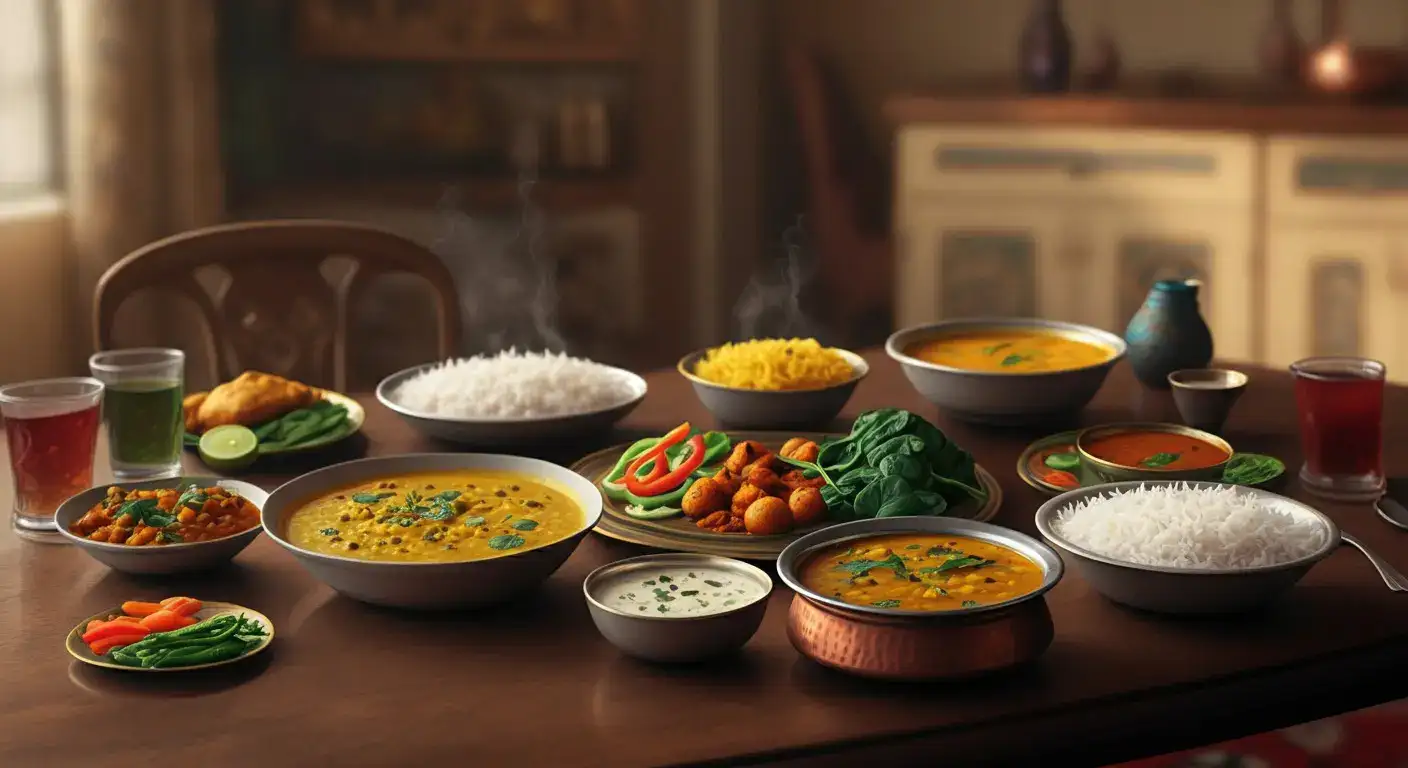
In reality, clean eating is less about following foreign diet trends and more about choosing fresher, minimally processed and balanced foods. Indian kitchens naturally contain many ingredients that support healthy living, including lentils, vegetables, spices, whole grains and fermented foods. The key lies in improving food quality, cooking habits and portion control rather than eliminating staple meals entirely.
With thoughtful adjustments, people can enjoy traditional Indian food while still maintaining a clean and balanced diet.
This does not mean every meal must be low-calorie or restrictive. Instead, the idea is to build meals around whole foods and avoid overdependence on packaged snacks, sugary drinks and heavily processed products.
Indian meals can fit naturally into clean eating when prepared with fresh ingredients and moderate oil usage. Dal, sabzi, roti, curd and rice can all be part of balanced nutrition when portions and cooking methods are managed wisely.
The goal is sustainability rather than temporary dieting.
Traditional Indian diets were built around physically active lifestyles and balanced meals. Problems usually arise not because of staples themselves but because of excessive processed food intake, overeating and reduced physical activity.
Rice paired with dal and vegetables can create a satisfying and balanced meal. Rotis made from whole wheat or millet-based flours provide fibre and sustained energy.
Completely eliminating staple foods may lead to cravings, frustration and unsustainable eating habits. Instead of avoiding traditional foods, improving meal balance is often a healthier approach.
Indian cooking already includes nutrient-rich ingredients such as turmeric, cumin, ginger, garlic and seasonal vegetables. Preparing meals at home allows better control over oil, salt and portion sizes.
Simple meals such as dal-chawal, vegetable khichdi, roti-sabzi or curd rice can become highly nutritious when prepared with fresh ingredients and moderate cooking practices.
Using seasonal produce also improves flavour and nutritional quality naturally.
Instead of making extreme restrictions immediately, gradual changes are usually more practical. Replacing packaged snacks with fruits, roasted makhana, nuts or homemade chaat can improve diet quality without feeling overly restrictive.
Homemade chutneys, fresh curd and traditional snacks prepared with less oil can also reduce dependence on ultra-processed products.
Small daily improvements often create more sustainable long-term habits than sudden diet overhauls.
Deep-fried foods can occasionally be replaced with roasting, grilling, steaming or shallow cooking methods. Excess oil, cream and refined sugar may be reduced gradually without compromising flavour entirely.
For example, parathas can be cooked with less oil, while snacks such as samosas or cutlets may be air-fried or baked occasionally.
Adding more vegetables, sprouts and lentils to everyday meals can also improve nutritional balance naturally.
Indian meals often become healthier when plates include balanced portions of grains, protein and vegetables rather than excessive servings of one item.
Eating slowly, avoiding distractions during meals and recognising fullness cues can help prevent overeating.
Regular meal timings also support better digestion and energy balance throughout the day.
Millets, curd, seasonal vegetables and homemade pickles have long been part of Indian dietary culture. Many regional cuisines rely heavily on fresh ingredients and balanced cooking methods.
Modern diet culture often overlooks the nutritional value of traditional eating patterns that Indian households have followed for generations.
Returning to simpler home-style cooking may sometimes be more effective than chasing complicated diet trends.
Festive foods, sweets and restaurant meals can still be enjoyed in moderation without disrupting overall balance. The focus should remain on consistent healthy habits rather than guilt or extreme restrictions.
Clean eating works best when it feels practical, enjoyable and culturally familiar.
Indian staples have nourished generations and continue to provide valuable nutrition when combined with balanced eating habits. Clean eating does not require abandoning rice, roti or traditional meals. Instead, it encourages fresher ingredients, mindful cooking and reduced dependence on processed foods. By making small and sustainable adjustments, Indian households can maintain healthier lifestyles while still enjoying the comfort, flavour and cultural connection of everyday home-cooked food.
In reality, clean eating is less about following foreign diet trends and more about choosing fresher, minimally processed and balanced foods. Indian kitchens naturally contain many ingredients that support healthy living, including lentils, vegetables, spices, whole grains and fermented foods. The key lies in improving food quality, cooking habits and portion control rather than eliminating staple meals entirely.
With thoughtful adjustments, people can enjoy traditional Indian food while still maintaining a clean and balanced diet.
What Clean Eating Actually Means
Clean eating generally focuses on consuming foods in their natural or minimally processed form. It encourages fresh ingredients, balanced nutrition and mindful eating while reducing excessive sugar, preservatives and unhealthy fats.This does not mean every meal must be low-calorie or restrictive. Instead, the idea is to build meals around whole foods and avoid overdependence on packaged snacks, sugary drinks and heavily processed products.
Indian meals can fit naturally into clean eating when prepared with fresh ingredients and moderate oil usage. Dal, sabzi, roti, curd and rice can all be part of balanced nutrition when portions and cooking methods are managed wisely.
The goal is sustainability rather than temporary dieting.
Why Indian Staples Should Not Be Avoided
Many people wrongly assume carbohydrates such as rice and roti are unhealthy. In reality, staple foods provide energy that the body requires for daily functioning.Traditional Indian diets were built around physically active lifestyles and balanced meals. Problems usually arise not because of staples themselves but because of excessive processed food intake, overeating and reduced physical activity.
Rice paired with dal and vegetables can create a satisfying and balanced meal. Rotis made from whole wheat or millet-based flours provide fibre and sustained energy.
Completely eliminating staple foods may lead to cravings, frustration and unsustainable eating habits. Instead of avoiding traditional foods, improving meal balance is often a healthier approach.
Focus On Fresh Home-Cooked Meals
One of the simplest ways to eat clean is by increasing home-cooked meals. Homemade food generally contains fewer preservatives, artificial ingredients and hidden sugars compared to restaurant or packaged meals.Indian cooking already includes nutrient-rich ingredients such as turmeric, cumin, ginger, garlic and seasonal vegetables. Preparing meals at home allows better control over oil, salt and portion sizes.
Simple meals such as dal-chawal, vegetable khichdi, roti-sabzi or curd rice can become highly nutritious when prepared with fresh ingredients and moderate cooking practices.
Using seasonal produce also improves flavour and nutritional quality naturally.
Reduce Ultra-Processed Foods Gradually
Clean eating becomes difficult when processed snacks and sugary drinks become daily habits. Biscuits, instant noodles, packaged namkeen, frozen snacks and soft drinks often contain excessive sodium, sugar and unhealthy fats.Instead of making extreme restrictions immediately, gradual changes are usually more practical. Replacing packaged snacks with fruits, roasted makhana, nuts or homemade chaat can improve diet quality without feeling overly restrictive.
Homemade chutneys, fresh curd and traditional snacks prepared with less oil can also reduce dependence on ultra-processed products.
Small daily improvements often create more sustainable long-term habits than sudden diet overhauls.
Improve Cooking Methods Instead Of Eliminating Foods
Healthy eating does not always require changing what people eat. Sometimes changing how food is prepared can make a significant difference.Deep-fried foods can occasionally be replaced with roasting, grilling, steaming or shallow cooking methods. Excess oil, cream and refined sugar may be reduced gradually without compromising flavour entirely.
For example, parathas can be cooked with less oil, while snacks such as samosas or cutlets may be air-fried or baked occasionally.
Adding more vegetables, sprouts and lentils to everyday meals can also improve nutritional balance naturally.
Portion Control Matters More Than Restriction
Overeating even healthy foods can affect weight and digestion. Clean eating focuses not only on food quality but also on mindful portion control.Indian meals often become healthier when plates include balanced portions of grains, protein and vegetables rather than excessive servings of one item.
Eating slowly, avoiding distractions during meals and recognising fullness cues can help prevent overeating.
Regular meal timings also support better digestion and energy balance throughout the day.
Traditional Indian Foods Already Support Clean Eating
Several traditional Indian foods align naturally with clean eating principles. Fermented dishes such as idli and dosa support digestion, while dals provide plant-based protein and fibre.Millets, curd, seasonal vegetables and homemade pickles have long been part of Indian dietary culture. Many regional cuisines rely heavily on fresh ingredients and balanced cooking methods.
You may also like
- A New Solution for Pet Safety! These 5 Smart Gadgets Will Keep a Constant Watch on Your Pet—No More Fear of Theft
- Train Fire News: Attention Rail Passengers! If Damage Occurs Due to a Train Accident or Fire, How Much Compensation Will the Government Provide?
- No More Deepfakes on YouTube: A New System Is Arriving
- Post Office Savings Scheme: The Magic of the Post Office! Deposit ₹2 Lakhs and Take Home Over ₹90,000 in Interest
- If You Fall Ill During a Heatwave, Will Your Insurance Cover You? Learn the Rules for Heatstroke Claims
Modern diet culture often overlooks the nutritional value of traditional eating patterns that Indian households have followed for generations.
Returning to simpler home-style cooking may sometimes be more effective than chasing complicated diet trends.
Balance Is More Important Than Perfection
Many people abandon healthy eating because they believe every meal must be perfect. In reality, sustainable clean eating allows flexibility and occasional indulgence.Festive foods, sweets and restaurant meals can still be enjoyed in moderation without disrupting overall balance. The focus should remain on consistent healthy habits rather than guilt or extreme restrictions.
Clean eating works best when it feels practical, enjoyable and culturally familiar.
Indian staples have nourished generations and continue to provide valuable nutrition when combined with balanced eating habits. Clean eating does not require abandoning rice, roti or traditional meals. Instead, it encourages fresher ingredients, mindful cooking and reduced dependence on processed foods. By making small and sustainable adjustments, Indian households can maintain healthier lifestyles while still enjoying the comfort, flavour and cultural connection of everyday home-cooked food.






More from our partners


Loving Newspoint? Download the app now
