
How To Experience the Magic Of India’s Tea Plantations First-hand

India is one of the largest tea producers in the world, with sprawling tea gardens that stretch across the hills of Assam, Darjeeling, and Nilgiri. These lush plantations not only offer a picturesque landscape but also provide an insight into the intricate process of tea production. According to travel experts, visiting these tea gardens is a unique way to experience India’s rich tea culture while learning about the craftsmanship behind every cup. Whether you are a tea enthusiast or simply looking to explore something new, a tour of India’s tea estates promises an unforgettable experience.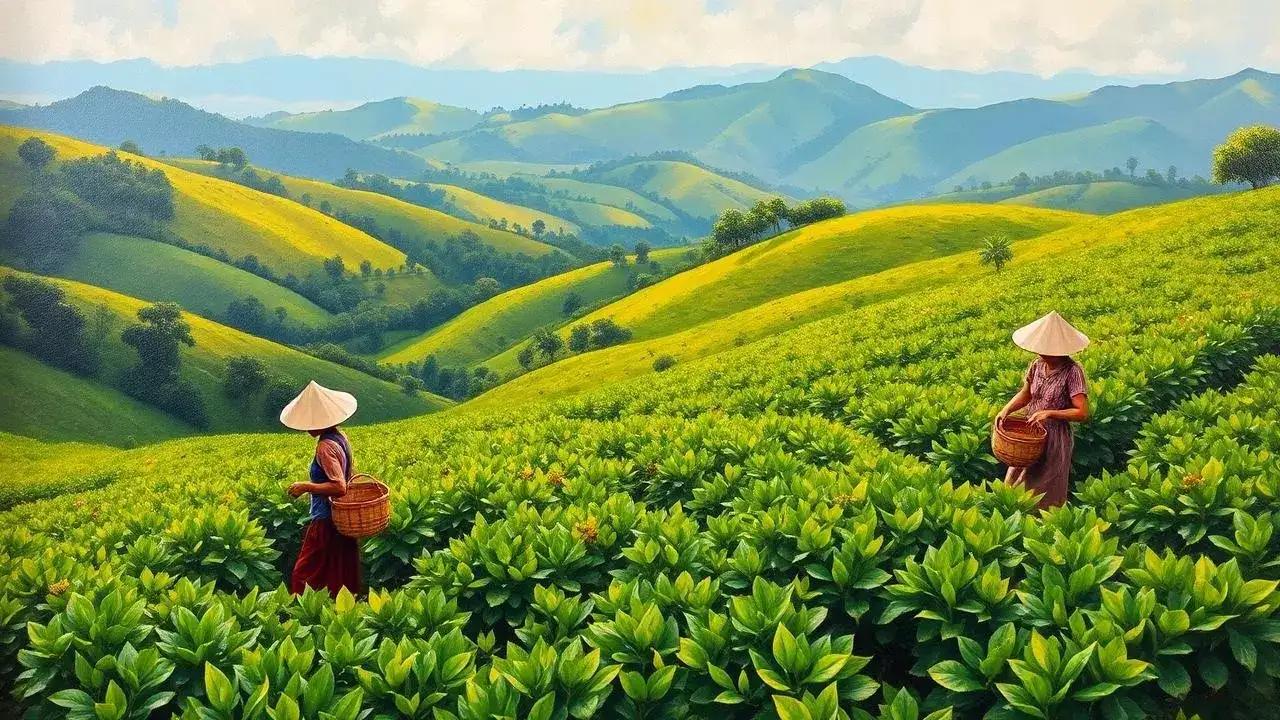
Exploring the Famous Tea Regions of India
India is home to some of the most renowned tea-producing regions in the world. The most popular among them are Assam, Darjeeling, and Nilgiri. Assam, located in the northeastern part of India, is famous for its strong, malty tea known for its bold flavour. According to experts, the best time to visit Assam’s tea estates is between March and November, when the gardens are lush, and tea plucking is in full swing.
Darjeeling, often referred to as the "Champagne of Teas," is known for its light, floral aroma and muscatel flavour. The tea gardens in Darjeeling are perched on steep slopes, offering breathtaking views of the Himalayas. Visitors can tour the estates, witness tea plucking, and even taste fresh brews right from the source. The Nilgiri region in South India, with its rolling hills and misty climate, is another popular tea destination. Its tea is characterised by a brisk, smooth taste that is ideal for both black and iced teas.
How to Plan Your Tea Garden Visit
Planning a visit to India’s tea gardens requires a bit of preparation. According to travel specialists, the best way to explore these plantations is through guided tours organised by local tea estates. These tours typically include a walk through the tea gardens, a visit to the tea processing units, and a tasting session. Many estates also have boutique hotels and homestays where you can immerse yourself in the serene surroundings of the plantations.
When booking your tour, ensure it includes a guided explanation of the tea-making process. This typically begins with the plucking of the leaves, followed by withering, rolling, fermenting, drying, and finally sorting. Watching this process up close gives you a deeper appreciation for the craftsmanship involved in every cup of tea.
Learning About the Tea Production Process
The journey from leaf to cup is both fascinating and meticulous. According to experts, the quality of tea is determined by various factors, including the climate, soil, and the time of year the leaves are picked. In Assam and Darjeeling, for example, the first flush (spring harvest) is highly prized for its delicate flavour.
During your visit, you will get the opportunity to watch local workers hand-pick the leaves, a skill that has been perfected over generations. The freshly plucked leaves are then taken to the processing unit, where they are spread out for withering. This step reduces moisture content and prepares the leaves for rolling. The rolling process twists and breaks the leaves, allowing natural enzymes to interact with oxygen, a key step in developing flavour.
Fermentation, or oxidation, is the next stage, which significantly influences the colour and strength of the tea. After the desired level of oxidation is achieved, the leaves are dried to halt the process. Finally, the leaves are sorted according to size and quality before being packaged for distribution.
Experiencing Tea Tasting Sessions
One of the highlights of visiting a tea garden is participating in a tea-tasting session. According to tea experts, these sessions are similar to wine tasting, where you learn to distinguish the subtle notes and textures of different varieties. A professional tea taster usually guides you through the process, explaining how the taste, aroma, and colour differ between types of tea.
During the tasting, you may sample various teas like black, green, white, and oolong, each offering a unique experience. Understanding the distinct flavour profiles and learning how brewing time and water temperature affect taste can be a rewarding part of the visit.
Stay Options in Tea Plantations
Many of India’s tea gardens have heritage bungalows and boutique hotels where you can stay amidst the lush greenery. These properties are often restored colonial-era homes that offer an authentic glimpse into life on a tea estate. Staying overnight allows you to soak in the tranquillity of the surroundings, enjoy leisurely walks through the gardens, and wake up to misty mornings with the aroma of fresh tea leaves in the air.
Some popular options include plantation stays in Darjeeling and Assam, where you can enjoy guided tours, tea-tasting experiences, and nature walks. According to travel experts, booking in advance is recommended, especially during peak seasons from March to November.
Visiting India’s tea gardens is more than just a tour; it is an immersive experience that connects you to the roots of tea production. According to experts, understanding the delicate process behind each cup enhances your appreciation for this beloved beverage. From walking through sunlit tea bushes to sampling fresh brews, a visit to India’s tea estates is a journey into tradition, culture, and craftsmanship. Whether you are a tea connoisseur or a curious traveller, exploring these gardens offers a unique glimpse into one of India’s proudest exports.
Exploring the Famous Tea Regions of India
India is home to some of the most renowned tea-producing regions in the world. The most popular among them are Assam, Darjeeling, and Nilgiri. Assam, located in the northeastern part of India, is famous for its strong, malty tea known for its bold flavour. According to experts, the best time to visit Assam’s tea estates is between March and November, when the gardens are lush, and tea plucking is in full swing.
Darjeeling, often referred to as the "Champagne of Teas," is known for its light, floral aroma and muscatel flavour. The tea gardens in Darjeeling are perched on steep slopes, offering breathtaking views of the Himalayas. Visitors can tour the estates, witness tea plucking, and even taste fresh brews right from the source. The Nilgiri region in South India, with its rolling hills and misty climate, is another popular tea destination. Its tea is characterised by a brisk, smooth taste that is ideal for both black and iced teas.
How to Plan Your Tea Garden Visit
Planning a visit to India’s tea gardens requires a bit of preparation. According to travel specialists, the best way to explore these plantations is through guided tours organised by local tea estates. These tours typically include a walk through the tea gardens, a visit to the tea processing units, and a tasting session. Many estates also have boutique hotels and homestays where you can immerse yourself in the serene surroundings of the plantations.
When booking your tour, ensure it includes a guided explanation of the tea-making process. This typically begins with the plucking of the leaves, followed by withering, rolling, fermenting, drying, and finally sorting. Watching this process up close gives you a deeper appreciation for the craftsmanship involved in every cup of tea.
Learning About the Tea Production Process
The journey from leaf to cup is both fascinating and meticulous. According to experts, the quality of tea is determined by various factors, including the climate, soil, and the time of year the leaves are picked. In Assam and Darjeeling, for example, the first flush (spring harvest) is highly prized for its delicate flavour.
During your visit, you will get the opportunity to watch local workers hand-pick the leaves, a skill that has been perfected over generations. The freshly plucked leaves are then taken to the processing unit, where they are spread out for withering. This step reduces moisture content and prepares the leaves for rolling. The rolling process twists and breaks the leaves, allowing natural enzymes to interact with oxygen, a key step in developing flavour.
Fermentation, or oxidation, is the next stage, which significantly influences the colour and strength of the tea. After the desired level of oxidation is achieved, the leaves are dried to halt the process. Finally, the leaves are sorted according to size and quality before being packaged for distribution.
Experiencing Tea Tasting Sessions
One of the highlights of visiting a tea garden is participating in a tea-tasting session. According to tea experts, these sessions are similar to wine tasting, where you learn to distinguish the subtle notes and textures of different varieties. A professional tea taster usually guides you through the process, explaining how the taste, aroma, and colour differ between types of tea.
During the tasting, you may sample various teas like black, green, white, and oolong, each offering a unique experience. Understanding the distinct flavour profiles and learning how brewing time and water temperature affect taste can be a rewarding part of the visit.
Stay Options in Tea Plantations
Many of India’s tea gardens have heritage bungalows and boutique hotels where you can stay amidst the lush greenery. These properties are often restored colonial-era homes that offer an authentic glimpse into life on a tea estate. Staying overnight allows you to soak in the tranquillity of the surroundings, enjoy leisurely walks through the gardens, and wake up to misty mornings with the aroma of fresh tea leaves in the air.
Some popular options include plantation stays in Darjeeling and Assam, where you can enjoy guided tours, tea-tasting experiences, and nature walks. According to travel experts, booking in advance is recommended, especially during peak seasons from March to November.
Visiting India’s tea gardens is more than just a tour; it is an immersive experience that connects you to the roots of tea production. According to experts, understanding the delicate process behind each cup enhances your appreciation for this beloved beverage. From walking through sunlit tea bushes to sampling fresh brews, a visit to India’s tea estates is a journey into tradition, culture, and craftsmanship. Whether you are a tea connoisseur or a curious traveller, exploring these gardens offers a unique glimpse into one of India’s proudest exports.
Next Story