
How to Get a Cat Comfortable With a Collar Without Forcing the Process

A collar can give a cat's owner a place to attach identification, but an unsuitable design may create a snagging or injury risk. Cats climb, squeeze through gaps and groom themselves, so a collar must be light, correctly fitted and able to release under pressure. Choosing a breakaway collar is a sensible starting point, but fit and adjustment matter just as much.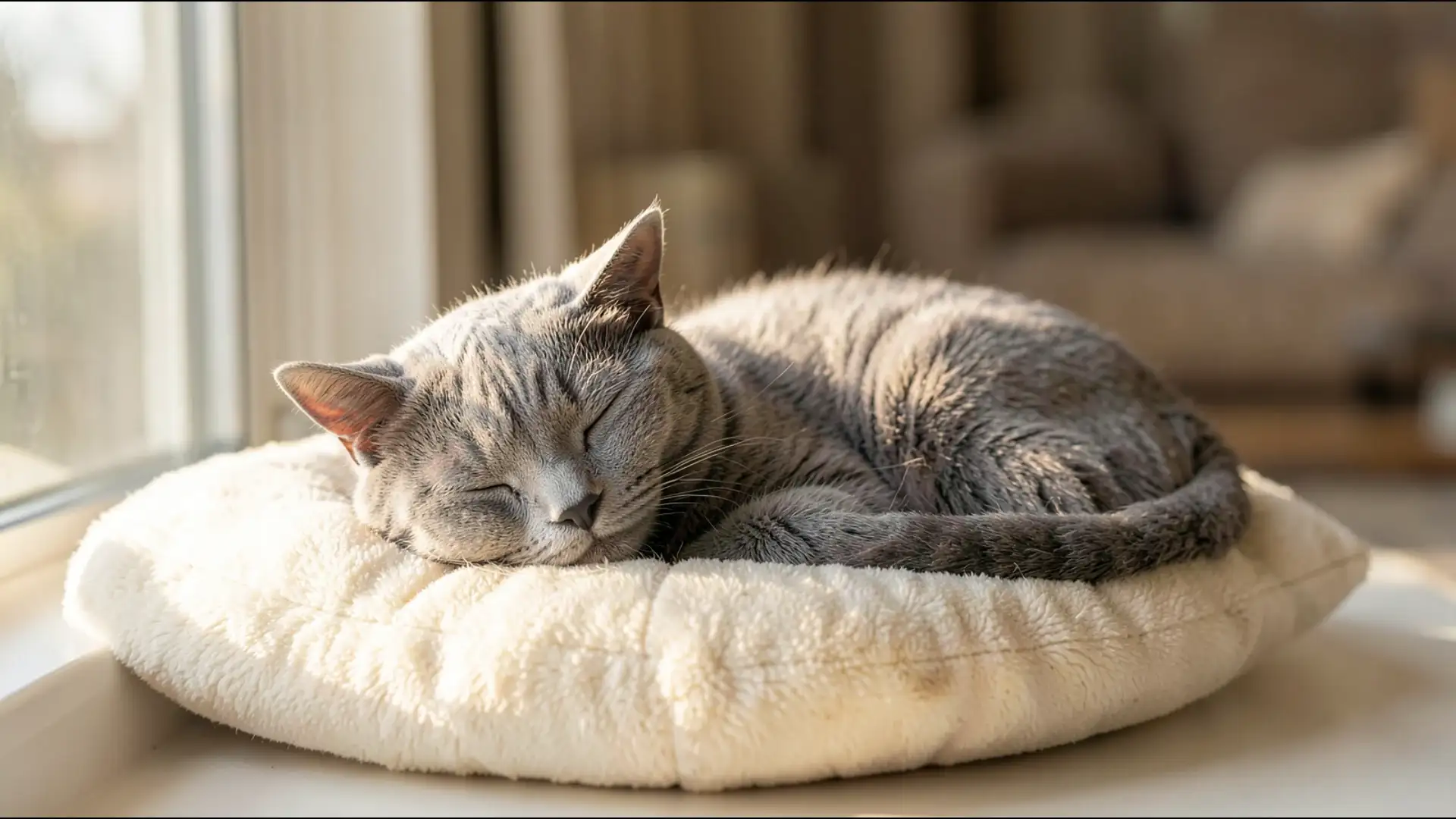
Some cats accept a collar quickly, while others need gradual introduction. Short, positive sessions help the animal become familiar with the feel of it. Owners should check the fit regularly, especially as kittens grow or body weight changes.
The collar should sit securely without pressing into the skin. A common fitting check is to leave room for two fingers between the collar and the cat's neck, but the fit must also prevent the collar from slipping over the jaw. Recheck it after the first few minutes and whenever the cat has been grooming or playing.
Gradually extend the time over several sessions. If the cat freezes, repeatedly paws at the collar, tries to bite it or struggles to move normally, take it off and try again later with a shorter session. Do not leave a first-time wearer unattended.
Choose a lightweight identification tag with clear contact details. Avoid bulky decorations that could catch on furniture or branches.
If the cat continually reacts badly to wearing a collar, do not force it. Ask a vet for advice about suitable identification options and check whether discomfort, skin irritation or another problem is involved.
Some cats accept a collar quickly, while others need gradual introduction. Short, positive sessions help the animal become familiar with the feel of it. Owners should check the fit regularly, especially as kittens grow or body weight changes.
Choose a quick-release design
Look for a collar made specifically for cats, with a breakaway clasp designed to open if the collar becomes caught. Avoid fixed buckles, elastic-only designs and collars intended for dogs.The collar should sit securely without pressing into the skin. A common fitting check is to leave room for two fingers between the collar and the cat's neck, but the fit must also prevent the collar from slipping over the jaw. Recheck it after the first few minutes and whenever the cat has been grooming or playing.
Introduce it in short stages
Place the collar near the cat's bedding or food area so it can investigate the smell and texture. When the cat is relaxed, let it wear the collar for a very short supervised period, pairing the experience with a treat or gentle play. Remove it before the animal becomes distressed.Gradually extend the time over several sessions. If the cat freezes, repeatedly paws at the collar, tries to bite it or struggles to move normally, take it off and try again later with a shorter session. Do not leave a first-time wearer unattended.
Check the collar and the cat
Inspect the clasp, stitching and adjustment slider regularly. Replace the collar if it frays, becomes stiff or no longer releases properly. Check the skin beneath it for redness, hair loss or rubbing, and make sure the collar has not become tight as the cat grows or changes weight.Choose a lightweight identification tag with clear contact details. Avoid bulky decorations that could catch on furniture or branches.
Keep identification up to date
A collar and tag can help someone identify a cat they find, but collars can come off. A registered microchip provides a more permanent form of identification, so keep its contact details current as well.If the cat continually reacts badly to wearing a collar, do not force it. Ask a vet for advice about suitable identification options and check whether discomfort, skin irritation or another problem is involved.
Next Story