
How To Get Picky Eaters To Try New Foods With Easy Indian Twists

Getting a picky eater to try something new can turn a meal into a negotiation. But children do not always need unfamiliar foods to expand their palate. Indian flavours, textures and presentation can make new ingredients feel less intimidating. From paneer-stuffed parathas and vegetable idlis to fruit yoghurt with a spice twist, changes can create opportunities to explore. Parents can involve children in choosing ingredients, mixing flavours or plating food, making mealtimes less pressured. According to experts, repeated, relaxed exposure can help children become more comfortable with foods they reject, although every child’s eating habits develop at a different pace.
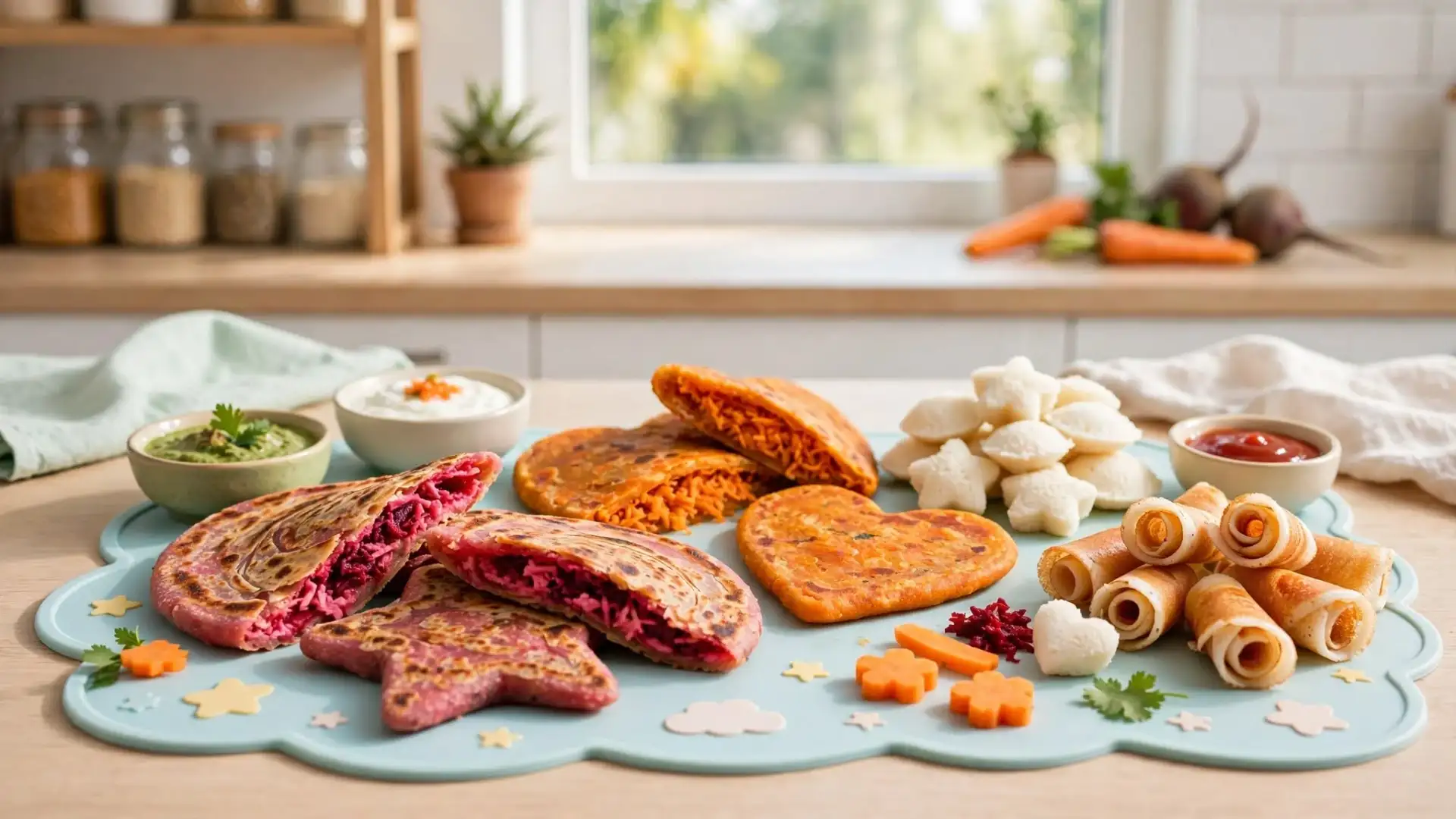
Make Familiar Foods More Interesting
One simple approach to picky eaters is to start with foods they already enjoy. If a child likes parathas, try adding finely grated carrot, beetroot or spinach to the dough, or make a mild paneer filling. For children who prefer rice, vegetable pulao can be kept simple with familiar flavours and colourful vegetables.Idlis can also become a useful base for introducing new ingredients. Finely chopped vegetables or a mild lentil-based accompaniment can add variety without making the meal look completely unfamiliar.
Try Small Indian Twists
Presentation can matter when encouraging kids to try food. Cut fruit into fun shapes, serve mini dosas or make small vegetable cheelas that are easy to pick up. A familiar dip or chutney can also be offered alongside a new food, giving children something recognisable on the plate.For a gentler introduction to different flavours, try yoghurt with mashed fruit and a light sprinkle of cinnamon, or homemade lassi with less added sugar. Indian cooking offers plenty of scope for adjusting spice levels, so parents can keep flavours mild while gradually introducing variety.
Avoid Turning Mealtimes Into Battles
Pressuring children to finish or praising them excessively for eating certain foods can make meals feel stressful. According to child-feeding experts, it can be more helpful to offer a new food alongside something the child already accepts and allow them to decide whether to taste it.Picky eating can also change with age, appetite and familiarity. Instead of expecting a new food to be accepted immediately, parents can offer it again on another occasion without making rejection a major event.
Let Kids Take Part
Children may be more curious about food when they have a role in preparing it. Let them wash vegetables, stir batter, choose between two fillings or arrange food on their plate, depending on their age.The aim is not to hide vegetables or force children to eat them. It is to make new foods feel approachable. With patience, familiar Indian flavours and low-pressure exposure, even selective eaters may gradually become more willing to experiment.
Image Courtesy: Meta AI
Next Story