
Indian Borage Plant: How to Grow Ajwain Leaves in Pots at Home

A balcony garden does not always need flowering plants or large ornamental shrubs to look interesting. Aromatic herbs with attractive foliage can also make useful additions to small outdoor spaces.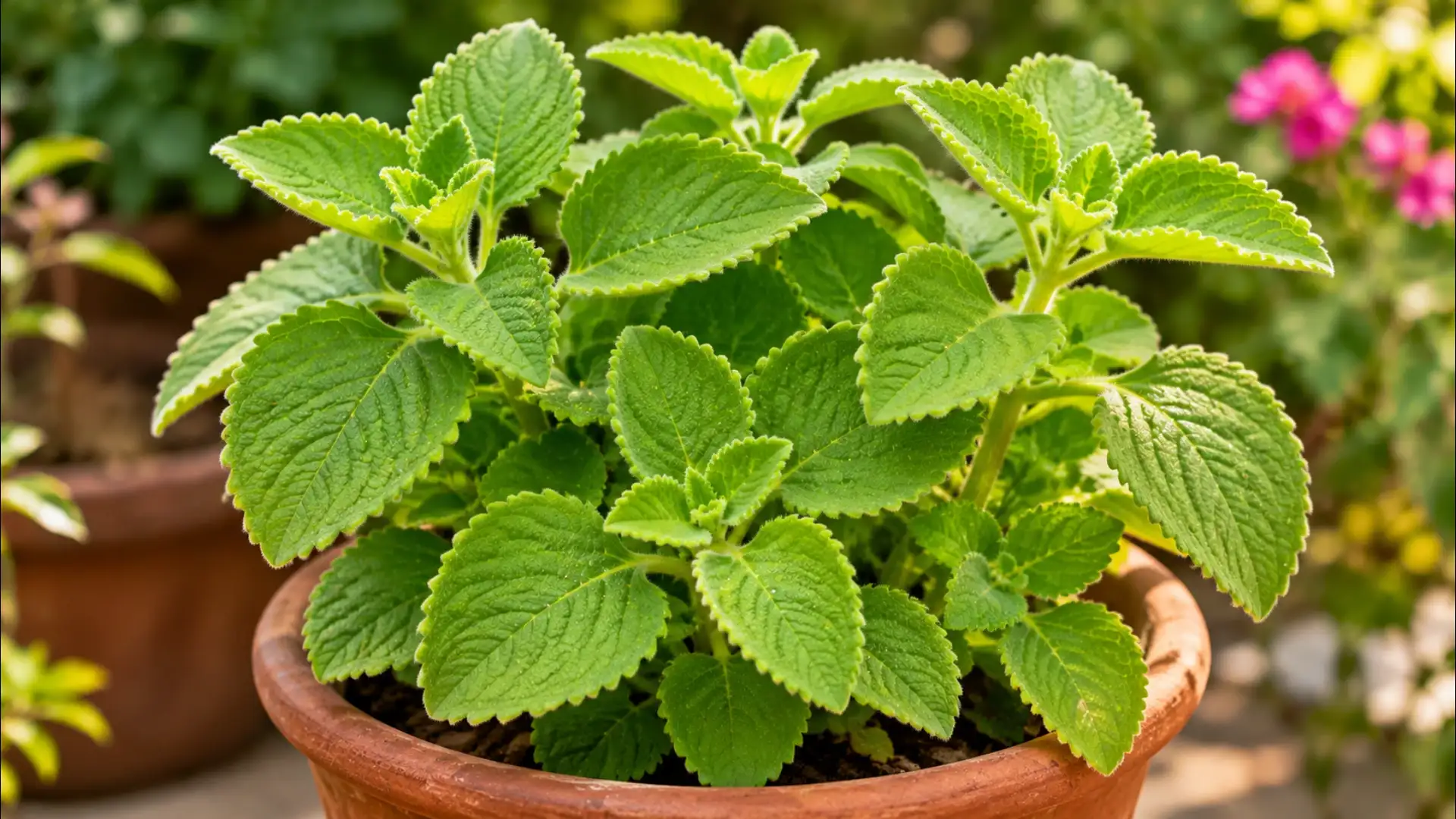
Indian borage, commonly known as the ajwain leaf plant , is one such option. Its thick, fleshy leaves have a distinctive fragrance, while its spreading growth habit makes it suitable for pots and home gardens.
Known scientifically as Plectranthus amboinicus , this aromatic perennial herb belongs to the mint family. It is also called country borage, Indian borage and Mexican mint in different places.
The plant has a spreading growth habit and can develop into a bushy herb when given enough room.
It is grown in several parts of India, particularly in tropical and subtropical regions. Its leaves are also used in some regional cooking preparations, including chutneys and flavouring dishes.
Choose a medium-sized pot with drainage holes at the bottom. A container that is approximately 8 to 12 inches wide is a reasonable starting point for a young plant.
As the plant grows, it may need a larger container.
Terracotta pots are a useful option because they allow excess moisture to evaporate through their sides. However, plastic and ceramic containers can also work if drainage is adequate.
A simple potting mixture can include:
Avoid using heavy soil that becomes compacted after watering. The roots need sufficient air circulation, and excess water should be able to drain away.
A balcony receiving gentle morning sunlight is a good place to start. In particularly hot conditions, protection from harsh afternoon sunlight can help prevent leaf scorching.
Observe the plant after placing it in a new location. If the leaves begin showing signs of sun damage, move the container to a spot with filtered light.
Because its leaves and stems are fleshy, the plant can retain some moisture. Watering too frequently may cause the soil to remain wet for long periods.
Check the upper layer of soil before watering. If it still feels moist, wait before adding more water.
When watering is needed, moisten the soil evenly and allow excess water to drain through the holes.
Follow these steps:
Trim excessively long stems and remove damaged leaves when necessary. Pinching the growing tips can encourage branching and help create a fuller-looking plant.
Avoid removing too much foliage at once, particularly when the plant is young.
Keeping the plant in a dark corner may also result in weak, stretched growth.
Give it sufficient light, use a suitable potting mixture and avoid unnecessary watering.
With these simple practices, Indian borage can become a long-lasting addition to a balcony or kitchen garden.
Indian borage, commonly known as the ajwain leaf plant , is one such option. Its thick, fleshy leaves have a distinctive fragrance, while its spreading growth habit makes it suitable for pots and home gardens.
Known scientifically as Plectranthus amboinicus , this aromatic perennial herb belongs to the mint family. It is also called country borage, Indian borage and Mexican mint in different places.
What makes Indian borage interesting?
Indian borage is recognised by its thick, soft-looking leaves and slightly fuzzy surface. The leaves are fleshy and have a strong aroma when crushed.The plant has a spreading growth habit and can develop into a bushy herb when given enough room.
It is grown in several parts of India, particularly in tropical and subtropical regions. Its leaves are also used in some regional cooking preparations, including chutneys and flavouring dishes.
Choosing the right pot
Indian borage can be grown successfully in a container, making it suitable for balconies, terraces and small home gardens.Choose a medium-sized pot with drainage holes at the bottom. A container that is approximately 8 to 12 inches wide is a reasonable starting point for a young plant.
As the plant grows, it may need a larger container.
Terracotta pots are a useful option because they allow excess moisture to evaporate through their sides. However, plastic and ceramic containers can also work if drainage is adequate.
Preparing the right soil
This plant prefers soil that drains well rather than remaining waterlogged.A simple potting mixture can include:
- Garden soil
- Well-decomposed compost
- Coarse sand or another suitable drainage material
Avoid using heavy soil that becomes compacted after watering. The roots need sufficient air circulation, and excess water should be able to drain away.
How much sunlight does it need?
Indian borage grows well in bright locations with suitable sunlight.A balcony receiving gentle morning sunlight is a good place to start. In particularly hot conditions, protection from harsh afternoon sunlight can help prevent leaf scorching.
Observe the plant after placing it in a new location. If the leaves begin showing signs of sun damage, move the container to a spot with filtered light.
Watering the plant correctly
One of the important aspects of Indian borage care is avoiding excessive watering.Because its leaves and stems are fleshy, the plant can retain some moisture. Watering too frequently may cause the soil to remain wet for long periods.
Check the upper layer of soil before watering. If it still feels moist, wait before adding more water.
When watering is needed, moisten the soil evenly and allow excess water to drain through the holes.
Propagating Indian borage from cuttings
Stem cuttings offer a convenient way to grow additional plants.Follow these steps:
- Select a healthy stem from an established plant.
- Cut a section approximately 4 to 6 inches long using clean scissors.
- Remove the leaves from the lower portion of the cutting.
- Place the stem in a small pot containing a suitable, moist potting mixture.
- Keep it in a bright location away from harsh direct sunlight.
- Maintain light moisture without making the soil soggy.
Pruning and regular maintenance
Occasional pruning helps maintain a compact shape.Trim excessively long stems and remove damaged leaves when necessary. Pinching the growing tips can encourage branching and help create a fuller-looking plant.
Avoid removing too much foliage at once, particularly when the plant is young.
Common mistakes to avoid
Overwatering is one of the main problems to watch for. Poor drainage and continuously wet soil can affect the roots.Keeping the plant in a dark corner may also result in weak, stretched growth.
Give it sufficient light, use a suitable potting mixture and avoid unnecessary watering.
With these simple practices, Indian borage can become a long-lasting addition to a balcony or kitchen garden.
Next Story