
Areca Palm Care: Growing a Tropical-Looking Indoor Plant at Home

The areca palm, also known as Dypsis lutescens, is a popular ornamental plant with slender stems and long, arching fronds. Its soft, feathery appearance makes it suitable for living rooms, balconies with filtered light and other spacious indoor areas.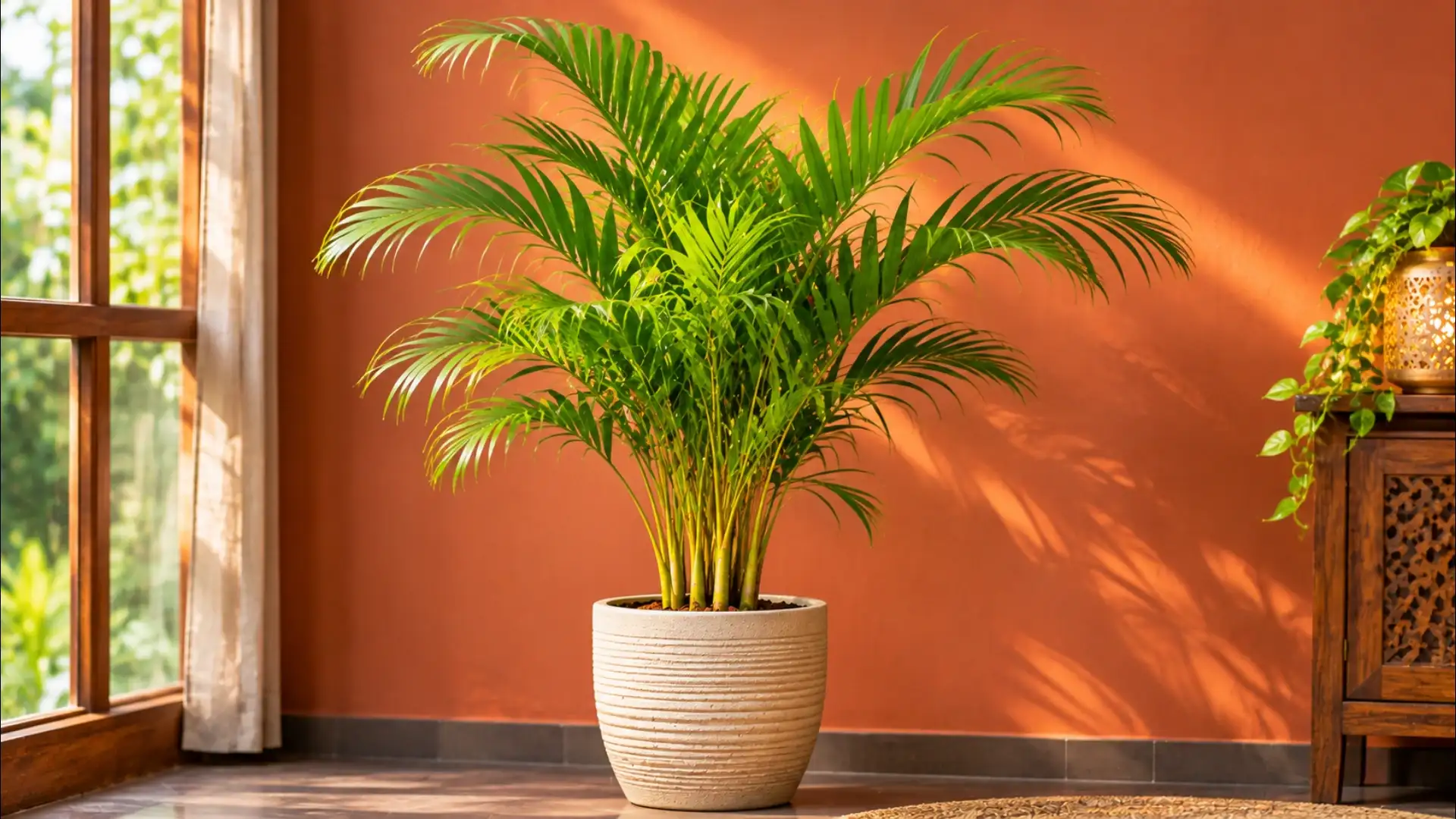
Although the plant has a tropical appearance, it needs more than warmth to grow well. Light, watering and humidity all influence the condition of its foliage.
If the plant is kept in a very dark corner, its growth may slow and the fronds may become less full. Rotate the pot occasionally so that different sides receive light.
The watering schedule will depend on the season, pot size, light and indoor temperature. Avoid following a fixed daily routine without checking the soil first.
Choose a container with drainage holes. If the plant is moved to a larger pot, select one only slightly bigger than the existing container.
Trim only the damaged portions if the rest of the frond is healthy. Completely brown or dry fronds can be removed using clean pruning scissors.
With a bright position, careful watering and occasional leaf cleaning, an areca palm can provide a lush green presence indoors.
Although the plant has a tropical appearance, it needs more than warmth to grow well. Light, watering and humidity all influence the condition of its foliage.
Find a Bright Spot
Areca palms prefer bright, indirect light. A location near a window with filtered sunlight can work well. Strong direct sunlight, particularly during hot afternoons, may scorch the leaves.If the plant is kept in a very dark corner, its growth may slow and the fronds may become less full. Rotate the pot occasionally so that different sides receive light.
Water the Plant Carefully
The soil should remain lightly moist but not waterlogged. Check the top layer before watering. When it begins to dry, water the plant thoroughly and let excess water drain through the holes at the bottom of the pot.The watering schedule will depend on the season, pot size, light and indoor temperature. Avoid following a fixed daily routine without checking the soil first.
Choose a Suitable Potting Mix
Areca palms need soil that holds some moisture while allowing excess water to drain. A good-quality indoor potting mix with added perlite can help create this balance.Choose a container with drainage holes. If the plant is moved to a larger pot, select one only slightly bigger than the existing container.
Maintain the Leaves
The long fronds can collect dust, so wipe them gently with a damp cloth when needed. Brown tips may appear for several reasons, including dry air, irregular watering or mineral build-up from water.Trim only the damaged portions if the rest of the frond is healthy. Completely brown or dry fronds can be removed using clean pruning scissors.
Watch for Pests
Inspect the undersides of leaves and the stems occasionally for signs of common houseplant pests such as spider mites or scale insects. Isolate an affected plant and use a suitable treatment according to the product instructions.Keep Its Mature Size in Mind
An areca palm can become quite large, so consider the available floor space before buying one. It is generally regarded as non-toxic to cats and dogs, but it is still sensible to prevent pets from chewing the foliage.With a bright position, careful watering and occasional leaf cleaning, an areca palm can provide a lush green presence indoors.
Next Story