
How to Make Your Potted Curry Leaf Plant Grow Faster and Produce More Leaves

A curry leaf plant is a useful addition to a home garden, especially for anyone who enjoys cooking with fresh herbs. Its aromatic leaves add flavour to dals, curries, chutneys and other everyday dishes. However, growing curry leaves in a pot can sometimes be frustrating when the plant remains small, develops thin branches or produces very few new leaves.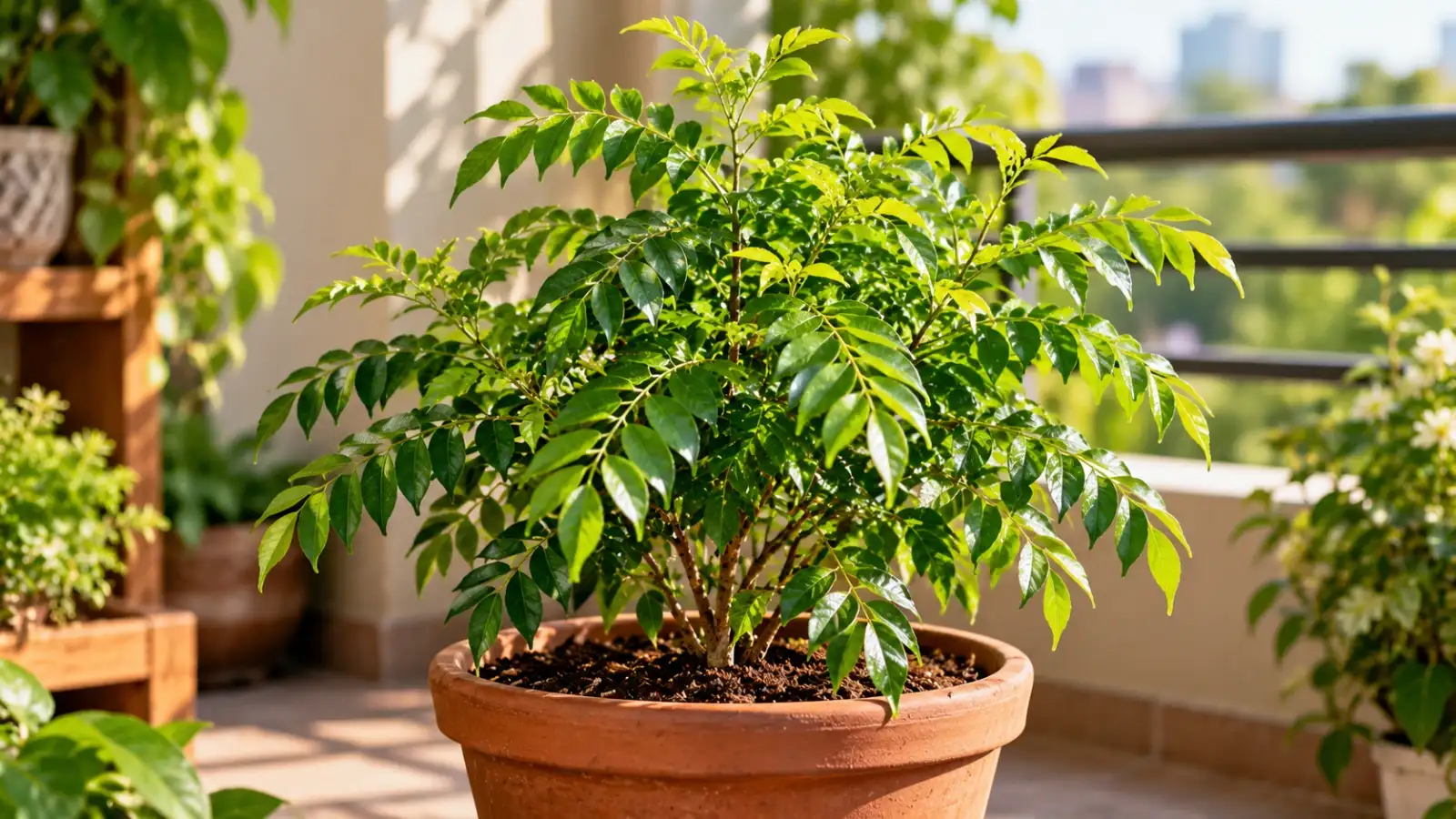
The good news is that curry leaf plants can thrive in containers with the right combination of sunlight, well-drained soil, careful watering and regular pruning. A few simple adjustments to your plant care routine can encourage branching and help your plant produce fresh foliage during its active growing season.
For a young curry leaf plant, choose a pot approximately 30 centimetres wide and deep. As the plant grows, move it into a slightly larger container when the roots begin filling the available space.
Terracotta, plastic and other durable containers can all work well. The most important feature is adequate drainage. Make sure the pot has several drainage holes and never leave it standing in a tray filled with water.
Avoid moving a small plant into an excessively large pot immediately. A very large volume of wet soil can take longer to dry, increasing the risk of root problems.
These plants generally prefer a sunny position with around six hours of direct sunlight daily, although young plants may need a gradual introduction to stronger sunshine.
A bright balcony, terrace or sunny outdoor corner is often suitable. Morning sunlight is particularly useful in hot regions because it provides good light without the most intense afternoon heat.
If your plant has been growing in shade, move it into a sunnier position gradually rather than exposing it to strong sunlight all at once. This helps reduce the risk of leaf scorch.
With adequate light, the plant is better equipped to produce sturdy branches and healthy new leaves.
A practical potting mix can contain:
If water takes a long time to drain from the pot, improve the growing medium rather than trying to solve the problem by watering less frequently alone.
Healthy roots support the absorption of water and nutrients, making them essential for steady leaf production.
During warm weather, the soil may dry quickly, particularly in a terracotta pot exposed to direct sunlight. During cooler weather or the monsoon, the same container may remain moist for much longer.
Check the upper few centimetres of soil before watering. If the soil still feels damp, wait a little longer. When it feels dry, water thoroughly until excess water drains through the holes.
Do not follow a rigid daily watering schedule regardless of weather conditions. The plant's water requirements change with temperature, rainfall, pot size and growth rate.
Yellowing leaves accompanied by persistently wet soil may indicate a drainage or root problem. Increasing the watering frequency in this situation can make matters worse.
When a healthy plant grows upwards with a single dominant stem, carefully pinching or cutting back the growing tip can encourage side shoots to develop. These additional branches can eventually produce more leafy growth.
Use clean, sharp pruning scissors and make small cuts above a healthy leaf joint. Avoid removing large portions of a young plant, as it needs enough foliage to support root and stem development.
For an established plant, selectively shorten overly long branches and remove dead or damaged growth. Regular light pruning is generally preferable to severe cutting.
The best time for more substantial pruning is during the active growing season, when the plant can recover and produce new shoots. Avoid heavy pruning when the plant is stressed or growing very slowly in cold weather.
During spring and summer, apply a balanced fertiliser suitable for edible plants, following the product's dosage instructions. Alternatively, add a modest quantity of mature vermicompost to the soil surface when the plant is actively growing.
Avoid combining several fertilisers at once or applying concentrated mixtures more frequently than recommended. Excess nutrients can damage roots and may cause leaf edges to turn brown.
In North India, curry leaf plants often grow most actively during the warmer months. Growth can slow considerably during winter, so reduce or stop feeding when the plant is barely growing.
Fertiliser supports healthy growth, but it cannot compensate for poor sunlight, damaged roots or waterlogged soil.
In regions such as Delhi and other parts of North India, winter nights can be particularly challenging for plants kept in exposed pots. Move the container to a sheltered, sunny position when temperatures fall.
Water more cautiously during cold spells because the soil dries more slowly when growth slows. Avoid feeding heavily in an attempt to force new leaves during this period.
Some leaf loss may occur during winter, but a living plant can recover when warmer weather returns. Check that the stems remain firm and green beneath the outer bark before assuming the plant has died.
As temperatures rise in spring, gradually resume normal watering and feeding according to the plant's growth.
Inspect the undersides of leaves and the tips of young branches regularly. Remove badly affected growth where necessary, and wash small infestations away with a gentle stream of water.
If further treatment is needed, use a product labelled for the pest and for edible plants, following its instructions carefully. Do not apply sprays in excessive concentrations or harvest treated leaves before the label's specified waiting period.
Good sunlight, suitable watering and adequate airflow help maintain a healthier plant, although they do not guarantee that pests will never appear.
Allow a newly purchased or recently propagated plant time to establish itself before harvesting heavily. Once it has several healthy branches and plenty of foliage, remove small sprigs as needed.
Avoid taking too much growth at once. Leaving most of the foliage intact allows the plant to continue photosynthesising and producing new shoots.
Harvesting can also help keep an established plant compact, especially when it is combined with selective pruning.
If your plant is not producing new leaves, check its growing conditions before adding extra fertiliser or watering more frequently. Often, correcting one basic problem makes a greater difference than using several treatments at once.
With patient care and seasonal adjustments, a curry leaf plant can become a productive part of your home garden and provide fresh, aromatic leaves for everyday cooking.
The good news is that curry leaf plants can thrive in containers with the right combination of sunlight, well-drained soil, careful watering and regular pruning. A few simple adjustments to your plant care routine can encourage branching and help your plant produce fresh foliage during its active growing season.
1. Choose a Pot That Gives the Roots Enough Space
The right pot provides room for the roots to develop while allowing excess water to drain away. A container that is too small can restrict growth and dry out quickly during hot weather.For a young curry leaf plant, choose a pot approximately 30 centimetres wide and deep. As the plant grows, move it into a slightly larger container when the roots begin filling the available space.
Terracotta, plastic and other durable containers can all work well. The most important feature is adequate drainage. Make sure the pot has several drainage holes and never leave it standing in a tray filled with water.
Avoid moving a small plant into an excessively large pot immediately. A very large volume of wet soil can take longer to dry, increasing the risk of root problems.
2. Provide Plenty of Sunlight for Fresh Leaves
Insufficient sunlight is one of the common reasons curry leaf plants grow slowly or develop long, weak stems with sparse foliage.These plants generally prefer a sunny position with around six hours of direct sunlight daily, although young plants may need a gradual introduction to stronger sunshine.
A bright balcony, terrace or sunny outdoor corner is often suitable. Morning sunlight is particularly useful in hot regions because it provides good light without the most intense afternoon heat.
If your plant has been growing in shade, move it into a sunnier position gradually rather than exposing it to strong sunlight all at once. This helps reduce the risk of leaf scorch.
With adequate light, the plant is better equipped to produce sturdy branches and healthy new leaves.
3. Use Well-Drained Soil Rich in Organic Matter
Curry leaf plants need soil that retains some moisture but does not remain waterlogged. Heavy soil that becomes compacted can restrict airflow around the roots and contribute to root rot.A practical potting mix can contain:
- Two parts good-quality potting soil.
- One part mature compost or vermicompost.
- One part coarse sand or perlite to improve drainage.
If water takes a long time to drain from the pot, improve the growing medium rather than trying to solve the problem by watering less frequently alone.
Healthy roots support the absorption of water and nutrients, making them essential for steady leaf production.
4. Water According to the Soil's Condition
Both underwatering and overwatering can affect the growth of a potted curry leaf plant.During warm weather, the soil may dry quickly, particularly in a terracotta pot exposed to direct sunlight. During cooler weather or the monsoon, the same container may remain moist for much longer.
Check the upper few centimetres of soil before watering. If the soil still feels damp, wait a little longer. When it feels dry, water thoroughly until excess water drains through the holes.
Do not follow a rigid daily watering schedule regardless of weather conditions. The plant's water requirements change with temperature, rainfall, pot size and growth rate.
Yellowing leaves accompanied by persistently wet soil may indicate a drainage or root problem. Increasing the watering frequency in this situation can make matters worse.
5. Prune the Growing Tips to Encourage Branching
Pruning is one of the most effective ways to encourage a bushier curry leaf plant.When a healthy plant grows upwards with a single dominant stem, carefully pinching or cutting back the growing tip can encourage side shoots to develop. These additional branches can eventually produce more leafy growth.
Use clean, sharp pruning scissors and make small cuts above a healthy leaf joint. Avoid removing large portions of a young plant, as it needs enough foliage to support root and stem development.
For an established plant, selectively shorten overly long branches and remove dead or damaged growth. Regular light pruning is generally preferable to severe cutting.
The best time for more substantial pruning is during the active growing season, when the plant can recover and produce new shoots. Avoid heavy pruning when the plant is stressed or growing very slowly in cold weather.
6. Feed the Plant During Its Active Growing Season
A curry leaf plant growing in a container gradually uses up the nutrients available in its potting mix. Without replenishment, growth may slow and the new leaves may become smaller or paler.During spring and summer, apply a balanced fertiliser suitable for edible plants, following the product's dosage instructions. Alternatively, add a modest quantity of mature vermicompost to the soil surface when the plant is actively growing.
Avoid combining several fertilisers at once or applying concentrated mixtures more frequently than recommended. Excess nutrients can damage roots and may cause leaf edges to turn brown.
In North India, curry leaf plants often grow most actively during the warmer months. Growth can slow considerably during winter, so reduce or stop feeding when the plant is barely growing.
Fertiliser supports healthy growth, but it cannot compensate for poor sunlight, damaged roots or waterlogged soil.
7. Protect the Plant From Cold Weather
Curry leaf plants are tropical and subtropical in origin, so prolonged cold can slow their growth and cause leaf drop.In regions such as Delhi and other parts of North India, winter nights can be particularly challenging for plants kept in exposed pots. Move the container to a sheltered, sunny position when temperatures fall.
Water more cautiously during cold spells because the soil dries more slowly when growth slows. Avoid feeding heavily in an attempt to force new leaves during this period.
Some leaf loss may occur during winter, but a living plant can recover when warmer weather returns. Check that the stems remain firm and green beneath the outer bark before assuming the plant has died.
As temperatures rise in spring, gradually resume normal watering and feeding according to the plant's growth.
8. Check for Pests That Damage New Shoots
Tender curry leaves can attract sap-sucking pests such as psyllids, aphids and scale insects. Their feeding may cause curled leaves, distorted shoots, sticky residue or poor growth.Inspect the undersides of leaves and the tips of young branches regularly. Remove badly affected growth where necessary, and wash small infestations away with a gentle stream of water.
If further treatment is needed, use a product labelled for the pest and for edible plants, following its instructions carefully. Do not apply sprays in excessive concentrations or harvest treated leaves before the label's specified waiting period.
You may also like
- Psychology says parents who read bedtime stories every night may be building more than a love of books, language skills and healthy routines
- This is what you did not know about the Jaggery capital of India
- Good news for Engineering and Medical students: Supreme Court takes a strict stance on college fee hikes.
- Where did the security lapse at eMudhra occur? Is your data not even safe under the government's watch?
- LPG News: Will your subsidy stop if your gas cylinder is stolen?
Good sunlight, suitable watering and adequate airflow help maintain a healthier plant, although they do not guarantee that pests will never appear.
9. Harvest Leaves Without Weakening the Plant
Frequent, careful harvesting can help maintain a useful supply of curry leaves, but stripping a young plant bare can slow its development.Allow a newly purchased or recently propagated plant time to establish itself before harvesting heavily. Once it has several healthy branches and plenty of foliage, remove small sprigs as needed.
Avoid taking too much growth at once. Leaving most of the foliage intact allows the plant to continue photosynthesising and producing new shoots.
Harvesting can also help keep an established plant compact, especially when it is combined with selective pruning.
A Simple Routine for Encouraging Fresh Growth
For the best results, focus on the basics rather than trying multiple remedies at once.- Give the plant sufficient direct sunlight.
- Check soil moisture before watering.
- Maintain good drainage and replenish nutrients during active growth.
- Pinch healthy growing tips to encourage side branches.
- Inspect new shoots for pests.
- Protect the plant from cold and avoid heavy pruning during slow growth.
How to Get More Fresh Curry Leaves From a Potted Plant
A healthy curry leaf plant needs time to establish strong roots before it can produce abundant foliage. Consistent sunlight, appropriate watering and well-drained soil create the foundation for growth, while careful pruning encourages a fuller shape.If your plant is not producing new leaves, check its growing conditions before adding extra fertiliser or watering more frequently. Often, correcting one basic problem makes a greater difference than using several treatments at once.
With patient care and seasonal adjustments, a curry leaf plant can become a productive part of your home garden and provide fresh, aromatic leaves for everyday cooking.






Loving Newspoint? Download the app now
