
How to Grow Fresh Mint on a Balcony Without Taking Up Much Space

Fresh mint can add fragrance to chutneys, drinks, salads and everyday meals. Growing it at home makes a small supply readily available without requiring a large garden. A balcony, windowsill or outdoor corner may provide enough space, provided the plant receives suitable light and its container drains properly.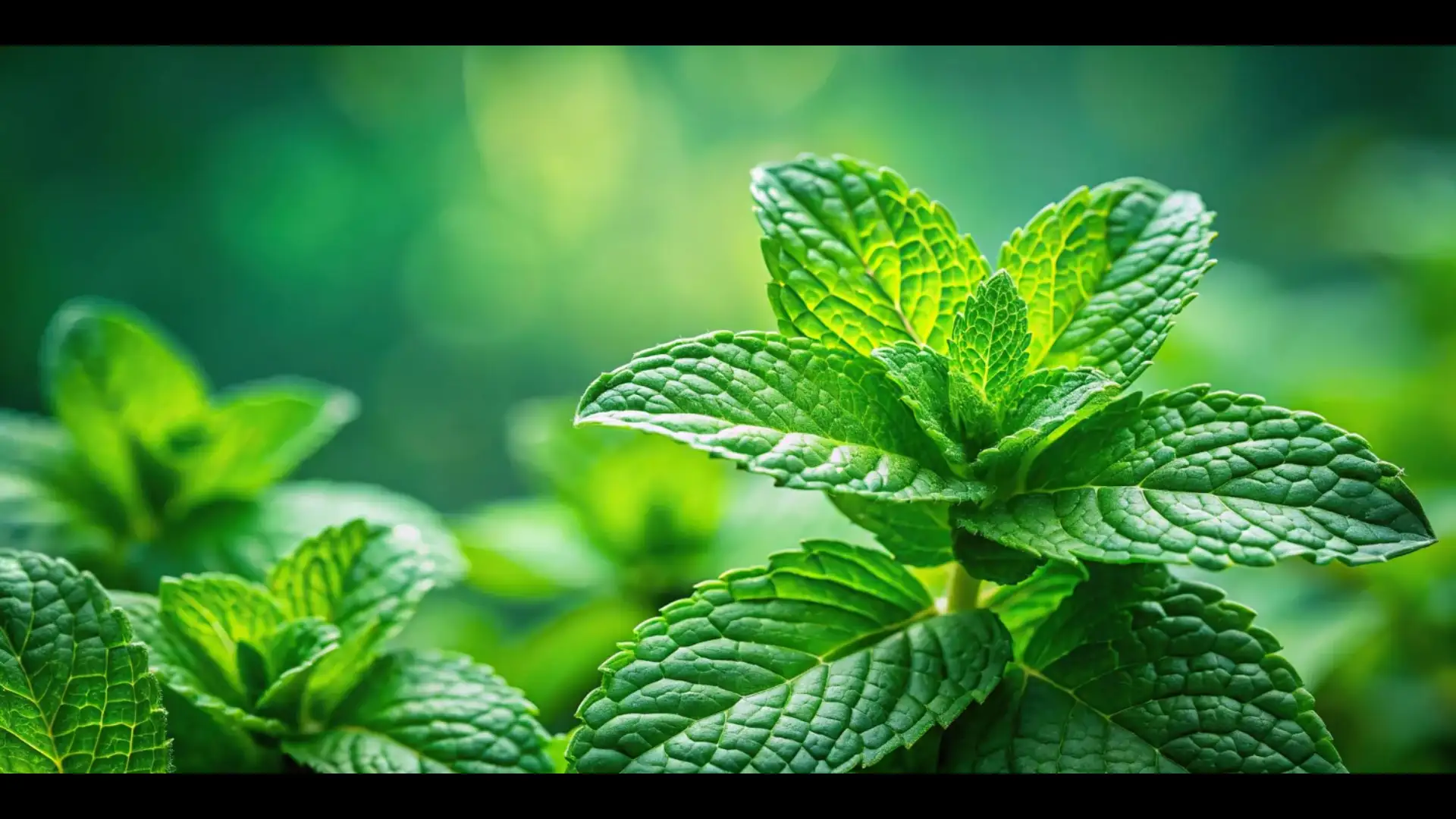
Mint is often considered beginner-friendly, but it still needs regular attention. Soil that remains waterlogged can damage roots, while a pot that dries out completely may leave the plant wilted. Understanding these basics makes it easier to maintain a useful herb without turning routine care into a complicated gardening project.
Use a good-quality potting mix that retains some moisture without becoming saturated. Do not block drainage holes with compacted soil. If growing several herbs together, remember that mint can spread into neighbouring plants and compete for space.
Observe the plant rather than following a fixed placement rule. Pale, weak growth may indicate insufficient light, while scorched leaves can suggest excessive heat or exposure. Move the pot gradually if it needs a different position.
Hot weather and small containers can make the soil dry faster, so check more frequently during warm periods. Avoid automatically watering several times a day without checking the soil, as excessive moisture can damage roots.
Use clean scissors and avoid removing most of the foliage at once. If the plant becomes leggy, trim it gradually rather than cutting every stem back severely.
Check the plant for pests and remove affected leaves. With regular pruning, appropriate watering and a little observation, a container of mint can provide fresh leaves for everyday cooking over an extended growing period.
Mint is often considered beginner-friendly, but it still needs regular attention. Soil that remains waterlogged can damage roots, while a pot that dries out completely may leave the plant wilted. Understanding these basics makes it easier to maintain a useful herb without turning routine care into a complicated gardening project.
Choose a suitable pot and growing medium
Mint spreads readily through underground stems, so a container is usually easier to manage than planting it directly into a mixed garden bed. Choose a pot with drainage holes and enough room for the roots to develop.Use a good-quality potting mix that retains some moisture without becoming saturated. Do not block drainage holes with compacted soil. If growing several herbs together, remember that mint can spread into neighbouring plants and compete for space.
Find the right light
Mint generally grows well with bright light and some protection from harsh conditions, although the ideal amount of direct sunlight depends on the climate and variety. In a hot location, intense afternoon sun may cause leaves to wilt more quickly.Observe the plant rather than following a fixed placement rule. Pale, weak growth may indicate insufficient light, while scorched leaves can suggest excessive heat or exposure. Move the pot gradually if it needs a different position.
Water without waterlogging
Check the soil with a finger before watering. If the upper layer feels dry, water thoroughly until excess moisture drains from the bottom. Empty any saucer that collects standing water.Hot weather and small containers can make the soil dry faster, so check more frequently during warm periods. Avoid automatically watering several times a day without checking the soil, as excessive moisture can damage roots.
Prune and harvest regularly
Pinch or snip stems just above a pair of healthy leaves to encourage branching. Regular harvesting can help keep the plant bushy, while removing dead or damaged growth improves its appearance.Use clean scissors and avoid removing most of the foliage at once. If the plant becomes leggy, trim it gradually rather than cutting every stem back severely.
Keep mint fresh after harvesting
Rinse harvested leaves gently and use them promptly for the best flavour. Fresh mint can be kept in the refrigerator in a suitable container or stored briefly with the stems in water.Check the plant for pests and remove affected leaves. With regular pruning, appropriate watering and a little observation, a container of mint can provide fresh leaves for everyday cooking over an extended growing period.
Next Story