
How to Grow Jasmine in Pots: A Beginner's Guide to Fragrant Balcony Plants

Jasmine is a popular flowering plant in Indian homes, appreciated for its delicate flowers and fragrance. Varieties such as Mogra, or Jasminum sambac, are commonly grown in gardens and containers.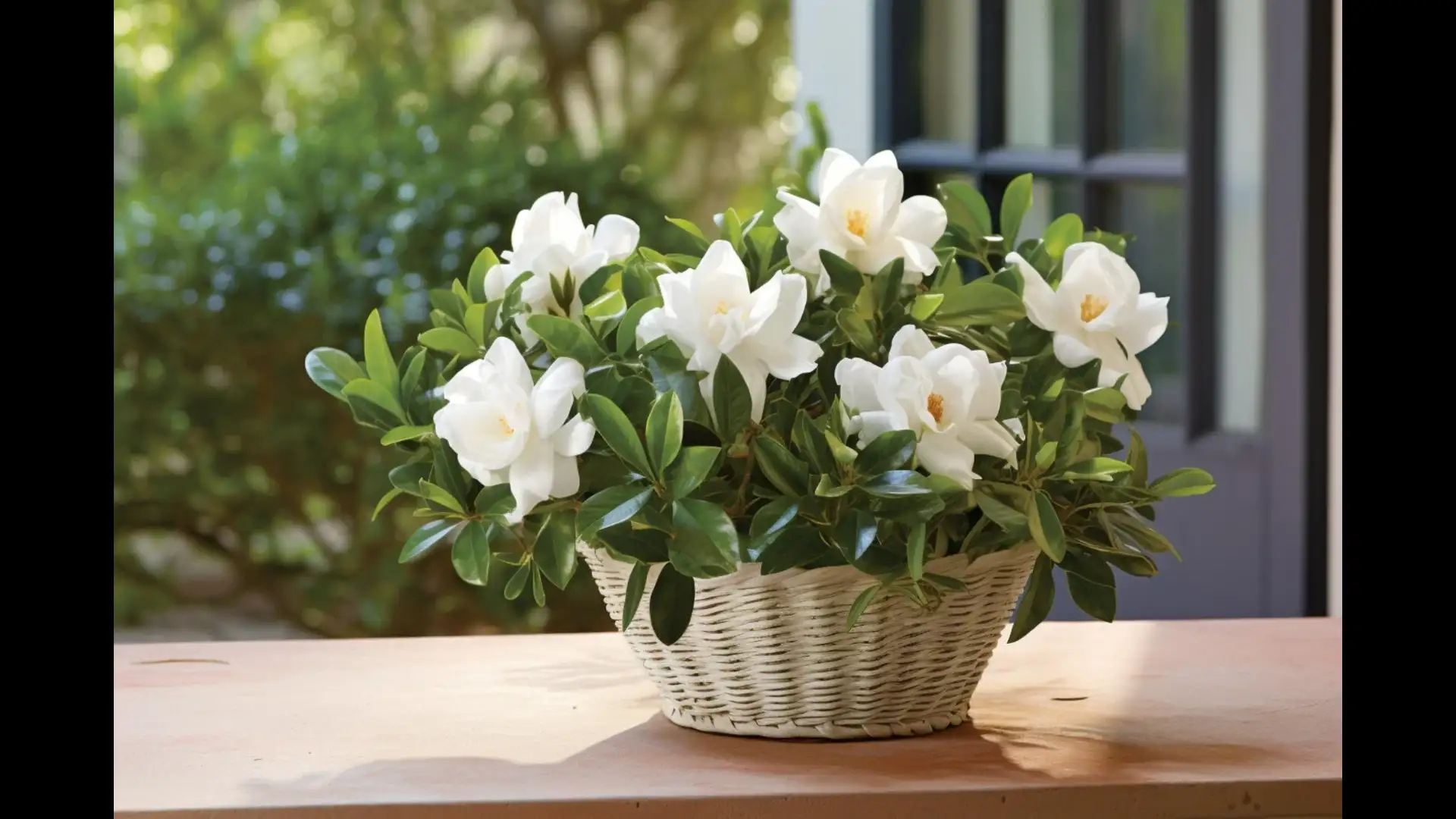
A potted jasmine plant can be placed on a balcony, terrace or sunny outdoor corner. It does not require a large garden, but it does need suitable light, drainage and regular attention.
Tamil Nadu Agricultural University lists well-drained soil, warm conditions and sunny days among the suitable growing requirements for Mogra. These principles can also guide container growing, with adjustments for the size of the pot.
Mogra is a familiar choice for home gardens. Other varieties may have different flower shapes, fragrances and seasonal patterns.
When purchasing a plant, ask the nursery for its botanical name and expected mature size. This will help you choose a variety suitable for your available space.
A medium-to-large pot is generally more practical than a very small decorative container. If the plant is already established, select a pot that gives its root ball enough room without leaving an excessively large amount of unused soil.
Terracotta and sturdy plastic pots can both be used, provided drainage is adequate.
Use a good-quality potting mix with garden soil, mature compost and a material that improves drainage, such as coarse sand or perlite.
Avoid compacting the mixture too firmly. Roots need a growing medium that allows water to drain and air to circulate.
A sunny balcony or terrace can be suitable. If the plant has been kept in a shaded nursery, introduce it to stronger sunlight gradually rather than moving it suddenly into intense exposure.
Observe the leaves and flowering pattern. A plant receiving too little light may produce plenty of foliage but fewer flowers.
Check the top layer of soil before watering. If it feels dry, water thoroughly until excess moisture drains from the bottom.
The exact frequency depends on the weather, pot size, soil mixture and location. During hot periods, containers may dry more quickly. In cooler or rainy conditions, watering may be needed less often.
Never allow the pot to sit in a tray filled with standing water.
Avoid applying excessive fertiliser. More feeding does not automatically produce more flowers and may encourage unnecessary leafy growth.
Use clean pruning tools and avoid cutting away too much at once. The best pruning time can vary with the variety and local flowering cycle, so ask the nursery about the specific plant.
Choose a slightly bigger pot and refresh the growing medium. Handle the root ball gently while transferring the plant.
A potted jasmine plant can be placed on a balcony, terrace or sunny outdoor corner. It does not require a large garden, but it does need suitable light, drainage and regular attention.
Tamil Nadu Agricultural University lists well-drained soil, warm conditions and sunny days among the suitable growing requirements for Mogra. These principles can also guide container growing, with adjustments for the size of the pot.
1. Choose the right jasmine variety
Different jasmine varieties have different growth habits and flowering characteristics.Mogra is a familiar choice for home gardens. Other varieties may have different flower shapes, fragrances and seasonal patterns.
When purchasing a plant, ask the nursery for its botanical name and expected mature size. This will help you choose a variety suitable for your available space.
2. Select a spacious pot
Jasmine needs room for its roots to develop. Choose a sturdy container with drainage holes at the bottom.A medium-to-large pot is generally more practical than a very small decorative container. If the plant is already established, select a pot that gives its root ball enough room without leaving an excessively large amount of unused soil.
Terracotta and sturdy plastic pots can both be used, provided drainage is adequate.
3. Prepare a well-draining soil mix
Jasmine grows best in soil that retains some moisture but does not remain waterlogged.Use a good-quality potting mix with garden soil, mature compost and a material that improves drainage, such as coarse sand or perlite.
Avoid compacting the mixture too firmly. Roots need a growing medium that allows water to drain and air to circulate.
4. Place it in a sunny location
Jasmine generally performs well in a bright location with several hours of direct sunlight.A sunny balcony or terrace can be suitable. If the plant has been kept in a shaded nursery, introduce it to stronger sunlight gradually rather than moving it suddenly into intense exposure.
Observe the leaves and flowering pattern. A plant receiving too little light may produce plenty of foliage but fewer flowers.
5. Water according to the soil
Newly planted jasmine needs regular attention while its roots become established.Check the top layer of soil before watering. If it feels dry, water thoroughly until excess moisture drains from the bottom.
The exact frequency depends on the weather, pot size, soil mixture and location. During hot periods, containers may dry more quickly. In cooler or rainy conditions, watering may be needed less often.
Never allow the pot to sit in a tray filled with standing water.
6. Feed the plant carefully
Mature compost can help maintain the quality of the potting mix. A balanced fertiliser suitable for flowering plants may also be used according to its label instructions.Avoid applying excessive fertiliser. More feeding does not automatically produce more flowers and may encourage unnecessary leafy growth.
7. Prune to maintain its shape
Jasmine can develop long or uneven branches over time. Light pruning helps maintain a manageable shape and removes damaged or unwanted growth.Use clean pruning tools and avoid cutting away too much at once. The best pruning time can vary with the variety and local flowering cycle, so ask the nursery about the specific plant.
8. Repot when necessary
If roots begin emerging from drainage holes or the pot dries out unusually quickly, the plant may need a larger container.Choose a slightly bigger pot and refresh the growing medium. Handle the root ball gently while transferring the plant.
Enjoying jasmine at home
A jasmine plant can add fragrance and flowers to an outdoor home space without requiring a large garden. Choosing the right variety and maintaining a sensible watering routine are the most useful starting points.Next Story