
How to Grow Lemongrass at Home in Pots: 10 Easy Tips for Healthy Growth

Lemongrass is a useful aromatic herb that can add a fresh citrus flavour to herbal tea, soups, curries and other dishes. Its tall green leaves also make it an attractive addition to a balcony, terrace or sunny outdoor corner. You do not need a garden to grow it, as a suitable container and the right growing conditions can help a single plant develop into a healthy clump.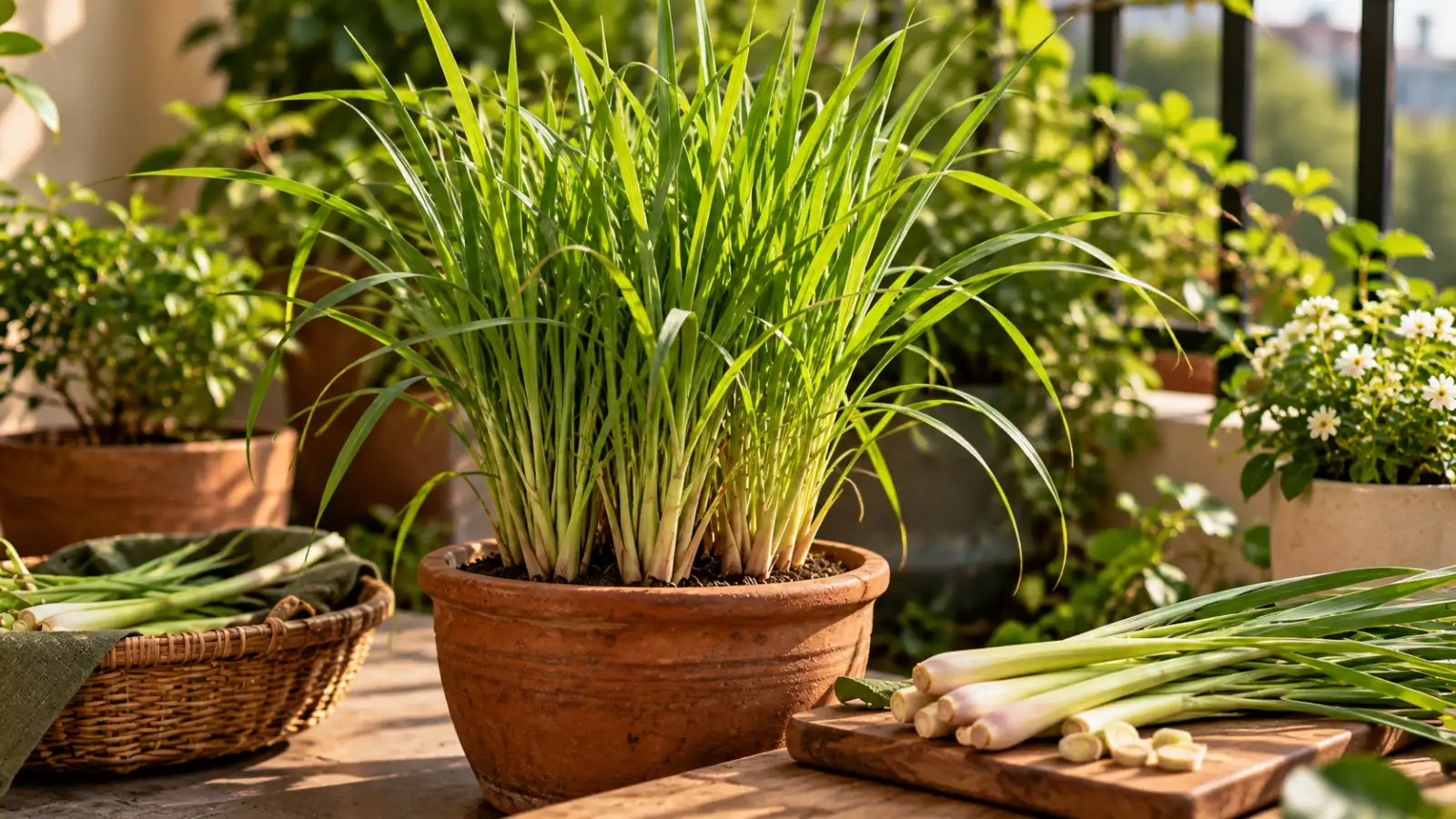
One of the advantages of growing lemongrass at home is that it can produce fresh stalks over an extended period when cared for properly. The plant prefers warmth, plenty of sunlight, regular watering and well-draining soil. Once established, it is relatively straightforward to maintain, making it a practical choice for beginners interested in growing herbs at home.
Choose a pot around 30 to 40 centimetres wide and deep, preferably with several drainage holes at the bottom. A sturdy plastic, terracotta or ceramic pot can work well, provided excess water can escape easily. A larger container may be needed as the plant matures.
Avoid decorative pots without drainage unless you use a separate nursery pot inside them and remove excess water regularly. Waterlogged soil can damage the roots and cause the base of the plant to rot. If you have limited balcony space, start with one plant in a medium-sized container and move it to a larger pot as it grows.
If you want to grow lemongrass from a stalk purchased from a grocery shop, choose one with a firm, plump base. The bottom should be intact rather than completely trimmed away. Stalks that still have living tissue around the base are more likely to develop roots.
Place the stalks upright in a glass containing a few centimetres of clean water, keeping the lower portion submerged. Position the glass near a bright window and replace the water regularly. Roots may begin to appear within two to three weeks, although the timing varies with the freshness of the stalk and the growing conditions.
Once several healthy roots have developed, transfer the stalk to a pot filled with moist, well-draining potting mix. Handle the new roots gently and avoid burying the entire stalk too deeply.
A simple potting mix can contain garden soil, mature compost or cocopeat-based potting material, and coarse sand or perlite to improve drainage. Use clean, well-rotted compost rather than fresh organic waste. The aim is to provide nutrients while allowing excess water to flow freely through the container.
Fill the pot without compressing the mixture too firmly. Place the rooted stalk or nursery plant in the centre, keeping the crown at approximately the same level as it was growing previously. Cover the roots with soil, gently firm the surface and water thoroughly.
Do not fill the container right to the rim. Leaving a little space at the top makes watering easier and reduces the chance of soil spilling over the sides.
A sunny balcony, terrace, patio or outdoor windowsill can be suitable if it receives sufficient light. In Indian homes, a spot with good morning or moderate afternoon sunshine can work well, depending on the season and local temperatures.
If you are starting with a young plant that has been kept indoors, introduce it to stronger outdoor sunlight gradually. This gives the leaves time to adjust and helps reduce the risk of sun damage.
Lemongrass grown in insufficient light may produce thinner leaves and weaker growth. If the plant is becoming stretched, pale or sparse, consider moving the container to a brighter location. During extremely hot weather, monitor the leaves and soil closely, as a pot exposed to intense afternoon heat may dry out quickly.
Check the upper layer of soil regularly. If it begins to dry, water the plant thoroughly until excess water drains from the bottom. Empty any water collected in the saucer rather than allowing the pot to sit in it.
During hot, dry weather, the container may need watering more frequently because moisture evaporates quickly. During rainy periods or cooler weather, the soil may remain wet for longer, so reduce watering when necessary.
Avoid following a rigid daily watering schedule without checking the soil. A small pot in direct sunlight may dry much faster than a large pot in a sheltered spot. Yellowing leaves, a persistently wet growing medium or a soft, darkened base can indicate watering or drainage problems.
Mixing mature compost into the potting medium at planting time provides a useful starting point. During the growing season, you can supplement it with a balanced liquid fertiliser suitable for edible plants, following the product's recommended dilution and frequency.
Avoid applying concentrated fertiliser directly to the roots or adding excessive amounts in the hope of speeding up growth. Too much fertiliser can damage the plant and cause an accumulation of salts in the potting mix.
If growth slows during cooler weather, reduce feeding. New leaves and shoots should appear more readily when temperatures and sunlight become favourable again.
Use clean garden scissors to trim dead foliage. Handle the leaves carefully because their edges can be surprisingly sharp and may cause small cuts. Wearing gardening gloves is a sensible precaution.
Lemongrass also develops additional shoots around the original plant. Over time, these can fill the container and leave less room for healthy root growth. If the clump becomes overcrowded, divide it during a period of active growth. Separate sections with healthy roots and several shoots, then replant them in individual containers.
Regularly check the drainage holes and make sure roots have not filled the entire pot. If the plant dries out unusually quickly after watering or growth becomes restricted, it may need a larger container.
In winter, place the container in a sheltered, bright location if temperatures drop significantly. If your area experiences frost, move the pot indoors or into another protected space before freezing conditions arrive. A bright window or warm, well-lit area is preferable to a cold, dark corner.
During the summer, keep an eye on pots exposed to intense heat and drying winds. Water when needed and consider moving the container away from harsh afternoon exposure if the leaves are repeatedly scorching or the soil dries too rapidly.
Heavy monsoon rain also requires attention. Ensure the drainage holes remain clear and that the container does not sit in standing water. Consistently soggy soil can encourage root problems even when the plant is receiving plenty of natural rainfall.
Wait until the plant has produced a healthy clump with several sturdy stems. Select mature outer stalks rather than cutting all the new growth at once. Use a clean, sharp knife or garden shears to cut suitable stalks near the base, taking care not to damage the central growing area.
The thicker lower part of the stalk is commonly used in cooking because it has a strong lemon-like aroma. The leaves can also be used to flavour teas and infusions, although their texture is fibrous and they are usually removed before drinking or eating.
Avoid harvesting too much from a young plant. Taking only a portion of the mature stalks allows the remaining plant to continue growing and producing new shoots.
Another mistake is keeping the plant in a dim corner. Lemongrass needs plenty of light to produce strong foliage and healthy stalks. If your balcony receives little sunlight, choose the brightest available position and manage your expectations about how quickly the plant will grow.
Overwatering is equally problematic. The soil should remain evenly moist during active growth, not saturated. Use a free-draining potting mix, check the soil before watering and make sure the container has functional drainage holes.
Finally, do not expect an instant harvest from a newly rooted stalk. Give the plant time to develop roots, establish itself and produce several strong shoots. Consistent care is more useful than frequent changes to the growing conditions.
Growing lemongrass in a container at home is a practical way to enjoy a fresh supply of this aromatic herb without needing a garden. Choose a spacious pot with drainage holes, use fertile and well-draining soil, provide plenty of sunlight and water whenever the soil begins to dry.
With regular feeding, occasional pruning and protection from extreme cold, a healthy lemongrass plant can continue producing new shoots over time. Whether you grow it on a balcony, terrace or sunny patio, the most important factors are warmth, light and balanced watering. Start with one healthy plant, allow it to establish itself and harvest mature outer stalks gradually.
One of the advantages of growing lemongrass at home is that it can produce fresh stalks over an extended period when cared for properly. The plant prefers warmth, plenty of sunlight, regular watering and well-draining soil. Once established, it is relatively straightforward to maintain, making it a practical choice for beginners interested in growing herbs at home.
1. Choose the Right Container
The first step is to select a pot that gives lemongrass enough room to develop its roots and spread. Although a small pot may work for a young plant, lemongrass grows into a dense clump and can quickly outgrow a compact container.Choose a pot around 30 to 40 centimetres wide and deep, preferably with several drainage holes at the bottom. A sturdy plastic, terracotta or ceramic pot can work well, provided excess water can escape easily. A larger container may be needed as the plant matures.
Avoid decorative pots without drainage unless you use a separate nursery pot inside them and remove excess water regularly. Waterlogged soil can damage the roots and cause the base of the plant to rot. If you have limited balcony space, start with one plant in a medium-sized container and move it to a larger pot as it grows.
2. Select a Healthy Lemongrass Plant or Fresh Stalk
You can start growing lemongrass from a nursery plant, a rooted division or a fresh stalk with a healthy base. Buying a young plant is generally the easiest option because it already has roots and can establish itself more quickly.If you want to grow lemongrass from a stalk purchased from a grocery shop, choose one with a firm, plump base. The bottom should be intact rather than completely trimmed away. Stalks that still have living tissue around the base are more likely to develop roots.
Place the stalks upright in a glass containing a few centimetres of clean water, keeping the lower portion submerged. Position the glass near a bright window and replace the water regularly. Roots may begin to appear within two to three weeks, although the timing varies with the freshness of the stalk and the growing conditions.
Once several healthy roots have developed, transfer the stalk to a pot filled with moist, well-draining potting mix. Handle the new roots gently and avoid burying the entire stalk too deeply.
3. Prepare the Right Soil Mix
Lemongrass grows best in fertile soil that retains some moisture without becoming waterlogged. Ordinary garden soil alone may become too compact inside a pot, restricting airflow around the roots and making drainage less reliable.A simple potting mix can contain garden soil, mature compost or cocopeat-based potting material, and coarse sand or perlite to improve drainage. Use clean, well-rotted compost rather than fresh organic waste. The aim is to provide nutrients while allowing excess water to flow freely through the container.
Fill the pot without compressing the mixture too firmly. Place the rooted stalk or nursery plant in the centre, keeping the crown at approximately the same level as it was growing previously. Cover the roots with soil, gently firm the surface and water thoroughly.
Do not fill the container right to the rim. Leaving a little space at the top makes watering easier and reduces the chance of soil spilling over the sides.
4. Place the Pot in Adequate Sunlight
Sunlight plays a major role in the growth of lemongrass. The plant generally performs best with around six hours or more of direct sunlight daily, along with warm growing conditions.A sunny balcony, terrace, patio or outdoor windowsill can be suitable if it receives sufficient light. In Indian homes, a spot with good morning or moderate afternoon sunshine can work well, depending on the season and local temperatures.
If you are starting with a young plant that has been kept indoors, introduce it to stronger outdoor sunlight gradually. This gives the leaves time to adjust and helps reduce the risk of sun damage.
Lemongrass grown in insufficient light may produce thinner leaves and weaker growth. If the plant is becoming stretched, pale or sparse, consider moving the container to a brighter location. During extremely hot weather, monitor the leaves and soil closely, as a pot exposed to intense afternoon heat may dry out quickly.
5. Water Regularly Without Overwatering
Lemongrass prefers consistently moist soil, particularly during active growth. However, it does not tolerate permanently waterlogged roots. Finding the balance between moisture and drainage is one of the most important parts of growing it successfully in a container.Check the upper layer of soil regularly. If it begins to dry, water the plant thoroughly until excess water drains from the bottom. Empty any water collected in the saucer rather than allowing the pot to sit in it.
During hot, dry weather, the container may need watering more frequently because moisture evaporates quickly. During rainy periods or cooler weather, the soil may remain wet for longer, so reduce watering when necessary.
Avoid following a rigid daily watering schedule without checking the soil. A small pot in direct sunlight may dry much faster than a large pot in a sheltered spot. Yellowing leaves, a persistently wet growing medium or a soft, darkened base can indicate watering or drainage problems.
6. Feed the Plant During Active Growth
Lemongrass benefits from regular nutrients because container soil has a limited supply that gradually becomes depleted. Feeding can encourage fuller foliage and the development of new shoots.Mixing mature compost into the potting medium at planting time provides a useful starting point. During the growing season, you can supplement it with a balanced liquid fertiliser suitable for edible plants, following the product's recommended dilution and frequency.
Avoid applying concentrated fertiliser directly to the roots or adding excessive amounts in the hope of speeding up growth. Too much fertiliser can damage the plant and cause an accumulation of salts in the potting mix.
If growth slows during cooler weather, reduce feeding. New leaves and shoots should appear more readily when temperatures and sunlight become favourable again.
7. Maintain and Prune the Plant
As lemongrass grows, older leaves may become dry, brown or damaged. Removing these leaves helps keep the plant tidy and allows you to inspect the base for signs of rot or overcrowding.Use clean garden scissors to trim dead foliage. Handle the leaves carefully because their edges can be surprisingly sharp and may cause small cuts. Wearing gardening gloves is a sensible precaution.
Lemongrass also develops additional shoots around the original plant. Over time, these can fill the container and leave less room for healthy root growth. If the clump becomes overcrowded, divide it during a period of active growth. Separate sections with healthy roots and several shoots, then replant them in individual containers.
Regularly check the drainage holes and make sure roots have not filled the entire pot. If the plant dries out unusually quickly after watering or growth becomes restricted, it may need a larger container.
8. Protect Lemongrass From Extreme Weather
Lemongrass is a tropical plant that prefers warmth. It can grow well in warm Indian conditions, but prolonged cold weather can slow growth and damage the plant.In winter, place the container in a sheltered, bright location if temperatures drop significantly. If your area experiences frost, move the pot indoors or into another protected space before freezing conditions arrive. A bright window or warm, well-lit area is preferable to a cold, dark corner.
During the summer, keep an eye on pots exposed to intense heat and drying winds. Water when needed and consider moving the container away from harsh afternoon exposure if the leaves are repeatedly scorching or the soil dries too rapidly.
Heavy monsoon rain also requires attention. Ensure the drainage holes remain clear and that the container does not sit in standing water. Consistently soggy soil can encourage root problems even when the plant is receiving plenty of natural rainfall.
9. Harvest Lemongrass at the Right Time
Lemongrass needs time to establish itself before you begin harvesting regularly. Depending on the starting plant, temperature, sunlight and care, it may take several months to develop substantial stalks.Wait until the plant has produced a healthy clump with several sturdy stems. Select mature outer stalks rather than cutting all the new growth at once. Use a clean, sharp knife or garden shears to cut suitable stalks near the base, taking care not to damage the central growing area.
The thicker lower part of the stalk is commonly used in cooking because it has a strong lemon-like aroma. The leaves can also be used to flavour teas and infusions, although their texture is fibrous and they are usually removed before drinking or eating.
Avoid harvesting too much from a young plant. Taking only a portion of the mature stalks allows the remaining plant to continue growing and producing new shoots.
10. Common Mistakes to Avoid
One common mistake is choosing a container that is too small. Lemongrass can grow into a substantial clump, so insufficient root space may eventually restrict its development. Starting with a reasonably sized pot reduces the need for frequent repotting.Another mistake is keeping the plant in a dim corner. Lemongrass needs plenty of light to produce strong foliage and healthy stalks. If your balcony receives little sunlight, choose the brightest available position and manage your expectations about how quickly the plant will grow.
Overwatering is equally problematic. The soil should remain evenly moist during active growth, not saturated. Use a free-draining potting mix, check the soil before watering and make sure the container has functional drainage holes.
Finally, do not expect an instant harvest from a newly rooted stalk. Give the plant time to develop roots, establish itself and produce several strong shoots. Consistent care is more useful than frequent changes to the growing conditions.
Growing lemongrass in a container at home is a practical way to enjoy a fresh supply of this aromatic herb without needing a garden. Choose a spacious pot with drainage holes, use fertile and well-draining soil, provide plenty of sunlight and water whenever the soil begins to dry.
With regular feeding, occasional pruning and protection from extreme cold, a healthy lemongrass plant can continue producing new shoots over time. Whether you grow it on a balcony, terrace or sunny patio, the most important factors are warmth, light and balanced watering. Start with one healthy plant, allow it to establish itself and harvest mature outer stalks gradually.
Next Story