
Want Fresh Lemons at Home? A Simple Guide to Growing a Lemon Tree in a Pot

Growing lemons in pots is a practical way to enjoy a fruit-bearing plant even when you do not have a garden. A sunny balcony, terrace, patio or bright outdoor corner can provide enough space for a healthy lemon tree, provided its basic needs are met. The glossy green leaves, fragrant white flowers and bright yellow fruits also make it an attractive addition to a home.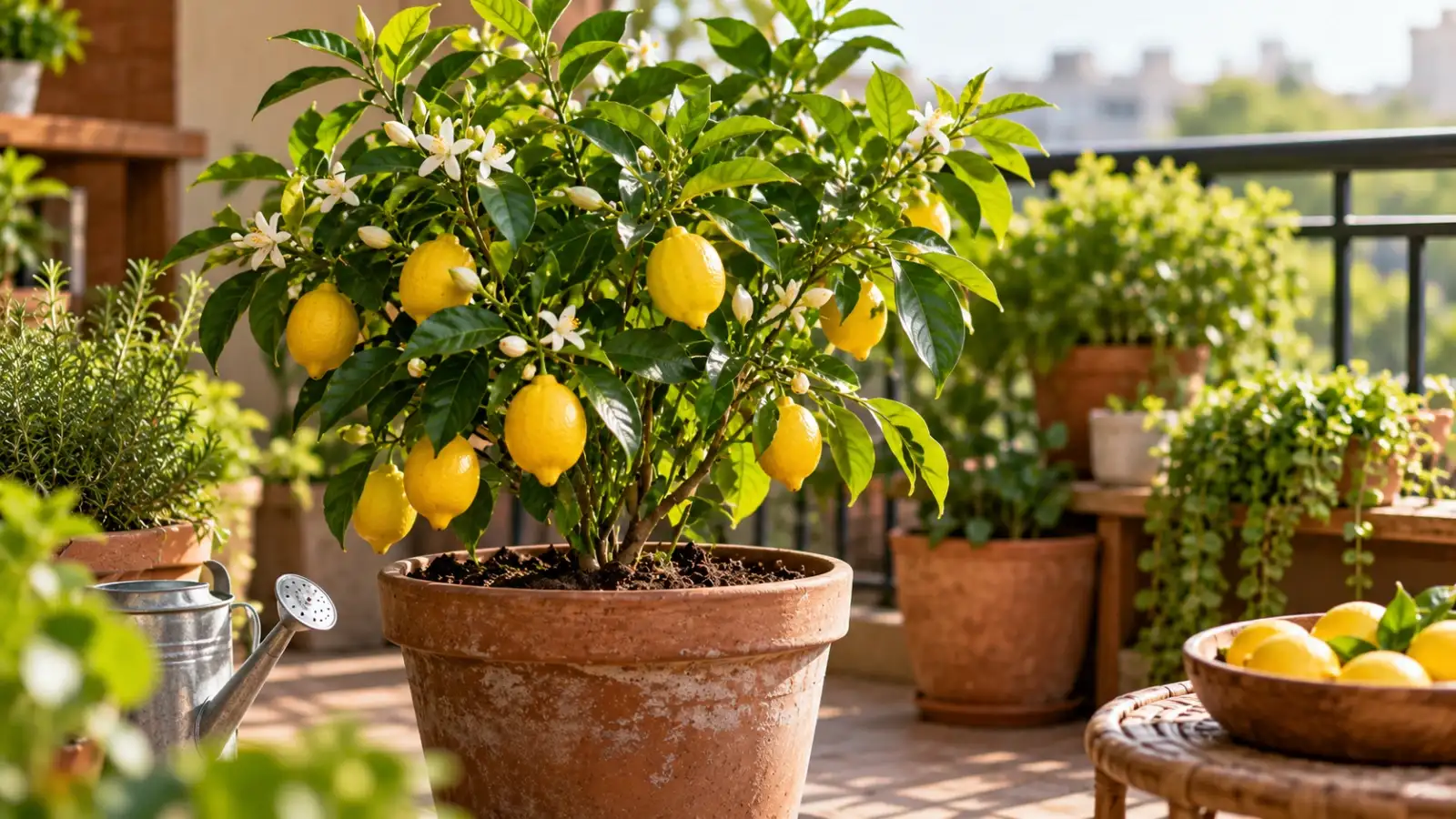
However, growing lemons successfully involves more than watering the plant occasionally. Sunlight, drainage, nutrition, pruning and seasonal weather all influence its growth. Understanding how these needs change throughout the year can help you maintain a healthier tree and improve its chances of producing fruit.
A container around 30 to 40 centimetres wide can be a reasonable starting point for a young plant, although the ideal size depends on the root system and the plant's growth. As the tree matures, it may need a larger pot.
Choose a container with several drainage holes at the bottom. Plastic, terracotta and glazed pots can all work, provided excess water can escape. Avoid placing a small plant directly into an excessively large container, as the unused potting mix can remain wet for too long.
Use a good-quality, well-draining potting mix designed for fruit trees or citrus plants. A suitable mix should retain some moisture while allowing excess water to drain freely. Avoid using dense garden soil by itself, particularly if it becomes compacted inside a container.
When planting, keep the root crown at approximately the same level as it was in the nursery pot. Do not bury the trunk deeply. After planting, water thoroughly and allow excess water to drain from the base.
A sunny terrace or balcony is often suitable, but observe how the light changes throughout the day. Buildings, railings and neighbouring trees may block sunlight even in apparently bright locations.
In very hot Indian summers, container-grown plants can experience heat stress, particularly when the pot is exposed to intense afternoon sun. If leaves begin to wilt or the potting mix dries unusually quickly, provide some protection during the harshest part of the day while maintaining adequate overall light.
If you move a plant from a shaded nursery to full sunlight, introduce stronger light gradually to reduce the risk of leaf scorch.
Check the upper few centimetres of soil with your finger. If the surface layer has begun to dry, water thoroughly until excess moisture drains from the bottom. Empty any saucer beneath the pot rather than allowing the roots to sit in standing water.
During hot, dry weather, a potted lemon tree may need watering much more frequently than it does during cooler months. In winter or during prolonged rainy periods, watering needs may decrease.
Yellowing leaves can result from several problems, including overwatering, underwatering and nutrient deficiencies. Check the soil and overall growing conditions before assuming that the plant simply needs more water.
Use a fertiliser formulated for citrus or fruit trees, following the product's recommended dose and frequency. Many growers feed more regularly during active growth in spring and summer, while reducing feeding when growth slows.
Avoid applying excessive fertiliser in the hope of getting more lemons. Too much can damage roots or encourage leafy growth at the expense of balanced development.
If the leaves become pale or yellow, inspect the plant carefully. Nutrient deficiency is one possible cause, but poor drainage and root stress can produce similar symptoms.
Remove dead or damaged branches using clean pruning tools. Avoid heavy pruning unless necessary, as excessive cutting can reduce the plant's productive growth.
Watch for new shoots and flower buds, and maintain consistent moisture without keeping the soil saturated.
Check soil moisture regularly and water thoroughly when needed. A light-coloured pot or a position that protects the container from extreme heat may help reduce stress.
During very hot weather, avoid unnecessary root disturbance and heavy pruning. Continue feeding according to the fertiliser instructions, but do not apply extra fertiliser to a plant that is severely stressed.
Move the plant to a sheltered position if it is repeatedly exposed to heavy rain or strong winds. Inspect the leaves and stems for pests, fungal problems and damaged growth.
Do not water automatically during the monsoon. Check the soil first, as the plant may already have enough moisture.
Lemons can take several months to develop and ripen after flowering, so fruit may remain on the tree for a considerable period. Their colour and maturity depend on the variety and local growing conditions.
Avoid changing several aspects of care at once if the plant is healthy. Stable light, appropriate watering and suitable nutrition are generally more useful than frequent interventions.
Container roots are more exposed to temperature fluctuations than roots in the ground. If unusually cold weather is expected, provide suitable protection and follow local horticultural guidance.
Growth may slow during cooler weather, so check the soil before watering and avoid excessive feeding when the plant is not actively growing.
Lemon trees can be self-fertile, although indoor plants may benefit from gentle hand-pollination if pollinating insects cannot reach the flowers. Outdoors, bees and other insects may help transfer pollen.
Keep the plant healthy while flowers and young fruits develop. Avoid moving it repeatedly between very different conditions, and do not allow the potting mix to swing between extreme dryness and waterlogging.
Be patient with young trees. A nursery-grown plant may take time to establish before producing a reliable crop.
Small infestations may sometimes be managed by washing affected areas with water or using an appropriate horticultural treatment according to its label. Avoid spraying during extreme heat and protect pollinators when the tree is flowering.
Leaf curling, sticky residue, webbing and unusual spots can provide clues about a problem. Good airflow, sensible watering and regular inspection help identify issues before they become severe.
If leaves fall suddenly, check for recent changes in temperature, watering, light or location. Multiple causes can produce similar symptoms, so diagnosis should be based on the plant's overall condition.
A ripe lemon generally reaches its expected size and develops the colour and aroma typical of its variety. Some fruits can remain greenish even when mature in warm conditions, so colour alone is not always a reliable guide.
Harvest using clean scissors or pruning shears if the fruit does not detach easily. Avoid pulling hard, as this can damage branches or remove nearby developing fruit.
A well-cared-for lemon tree can produce fruit over multiple seasons, but the quantity depends on the variety, age, growing conditions and local climate.
Adjust care during intense summer heat, heavy monsoon rain and cooler winter conditions. Feed the tree appropriately, inspect it for pests and give it time to establish before expecting a substantial harvest.
With consistent attention and realistic expectations, a potted lemon tree can provide fragrant flowers, attractive foliage and home-grown fruit without requiring a large garden.
However, growing lemons successfully involves more than watering the plant occasionally. Sunlight, drainage, nutrition, pruning and seasonal weather all influence its growth. Understanding how these needs change throughout the year can help you maintain a healthier tree and improve its chances of producing fruit.
1. Choose the Right Lemon Plant and Pot
Start by selecting a healthy nursery-grown lemon plant. Compact or dwarf varieties are often suitable for container gardening because they are easier to manage in limited spaces. Choose a variety recommended for your local climate and ask the nursery about its expected size and fruiting habits.A container around 30 to 40 centimetres wide can be a reasonable starting point for a young plant, although the ideal size depends on the root system and the plant's growth. As the tree matures, it may need a larger pot.
Choose a container with several drainage holes at the bottom. Plastic, terracotta and glazed pots can all work, provided excess water can escape. Avoid placing a small plant directly into an excessively large container, as the unused potting mix can remain wet for too long.
2. Use Soil That Drains Well
Lemon trees need moisture, but their roots do not tolerate prolonged waterlogging. Heavy soil that stays soggy can deprive roots of oxygen and encourage root rot.Use a good-quality, well-draining potting mix designed for fruit trees or citrus plants. A suitable mix should retain some moisture while allowing excess water to drain freely. Avoid using dense garden soil by itself, particularly if it becomes compacted inside a container.
When planting, keep the root crown at approximately the same level as it was in the nursery pot. Do not bury the trunk deeply. After planting, water thoroughly and allow excess water to drain from the base.
3. Give the Tree Plenty of Sunlight
Sunlight is essential for healthy leaves, flowering and fruit development. Place your lemon tree in a location that receives around six to eight hours of direct sunlight when possible.A sunny terrace or balcony is often suitable, but observe how the light changes throughout the day. Buildings, railings and neighbouring trees may block sunlight even in apparently bright locations.
In very hot Indian summers, container-grown plants can experience heat stress, particularly when the pot is exposed to intense afternoon sun. If leaves begin to wilt or the potting mix dries unusually quickly, provide some protection during the harshest part of the day while maintaining adequate overall light.
If you move a plant from a shaded nursery to full sunlight, introduce stronger light gradually to reduce the risk of leaf scorch.
4. Water According to Soil Moisture
Watering is one of the most important parts of lemon tree care . A fixed watering schedule does not always work because temperature, wind, pot size and soil composition affect how quickly the mix dries.Check the upper few centimetres of soil with your finger. If the surface layer has begun to dry, water thoroughly until excess moisture drains from the bottom. Empty any saucer beneath the pot rather than allowing the roots to sit in standing water.
During hot, dry weather, a potted lemon tree may need watering much more frequently than it does during cooler months. In winter or during prolonged rainy periods, watering needs may decrease.
Yellowing leaves can result from several problems, including overwatering, underwatering and nutrient deficiencies. Check the soil and overall growing conditions before assuming that the plant simply needs more water.
5. Feed the Plant During Active Growth
Lemon trees need nutrients to develop new leaves, flowers and fruit. Container plants have a limited supply of nutrients because regular watering gradually carries some of them out of the pot.Use a fertiliser formulated for citrus or fruit trees, following the product's recommended dose and frequency. Many growers feed more regularly during active growth in spring and summer, while reducing feeding when growth slows.
Avoid applying excessive fertiliser in the hope of getting more lemons. Too much can damage roots or encourage leafy growth at the expense of balanced development.
If the leaves become pale or yellow, inspect the plant carefully. Nutrient deficiency is one possible cause, but poor drainage and root stress can produce similar symptoms.
6. Understand the Seasonal Needs of a Lemon Tree
Lemon trees may produce flowers and fruits at different times depending on the variety, climate and growing conditions. Rather than expecting the same routine throughout the year, adjust care according to the season.Spring: Encourage Fresh Growth
Spring is often a useful time for repotting a root-bound tree, refreshing the upper layer of potting mix and beginning regular feeding as new growth appears.Remove dead or damaged branches using clean pruning tools. Avoid heavy pruning unless necessary, as excessive cutting can reduce the plant's productive growth.
Watch for new shoots and flower buds, and maintain consistent moisture without keeping the soil saturated.
Summer: Protect Against Heat Stress
Summer can be demanding for lemon trees grown in pots. Strong sunlight and hot winds can dry the soil quickly, while the container itself may heat up.Check soil moisture regularly and water thoroughly when needed. A light-coloured pot or a position that protects the container from extreme heat may help reduce stress.
During very hot weather, avoid unnecessary root disturbance and heavy pruning. Continue feeding according to the fertiliser instructions, but do not apply extra fertiliser to a plant that is severely stressed.
Monsoon: Prevent Waterlogging
Rainy weather may provide natural moisture, but repeated downpours can leave a pot saturated. Make sure drainage holes remain clear and raise the container slightly if water tends to collect beneath it.Move the plant to a sheltered position if it is repeatedly exposed to heavy rain or strong winds. Inspect the leaves and stems for pests, fungal problems and damaged growth.
Do not water automatically during the monsoon. Check the soil first, as the plant may already have enough moisture.
Autumn: Support Fruit Development
As temperatures begin to moderate, continue checking soil moisture and maintain balanced nutrition where the tree is actively growing.Lemons can take several months to develop and ripen after flowering, so fruit may remain on the tree for a considerable period. Their colour and maturity depend on the variety and local growing conditions.
Avoid changing several aspects of care at once if the plant is healthy. Stable light, appropriate watering and suitable nutrition are generally more useful than frequent interventions.
Winter: Adjust Watering and Protect the Plant
In regions with mild winters, a lemon tree may continue growing outdoors. In colder areas, protect the pot from chilling winds and move it to a sheltered location when necessary.Container roots are more exposed to temperature fluctuations than roots in the ground. If unusually cold weather is expected, provide suitable protection and follow local horticultural guidance.
Growth may slow during cooler weather, so check the soil before watering and avoid excessive feeding when the plant is not actively growing.
7. Help the Flowers Develop Into Fruit
Flowering does not always guarantee a large harvest. Some flowers naturally fall, and young fruits may drop if the plant experiences heat stress, irregular watering or insufficient nutrition.Lemon trees can be self-fertile, although indoor plants may benefit from gentle hand-pollination if pollinating insects cannot reach the flowers. Outdoors, bees and other insects may help transfer pollen.
Keep the plant healthy while flowers and young fruits develop. Avoid moving it repeatedly between very different conditions, and do not allow the potting mix to swing between extreme dryness and waterlogging.
Be patient with young trees. A nursery-grown plant may take time to establish before producing a reliable crop.
8. Watch for Common Pests and Problems
Potted lemon trees can attract aphids, scale insects, spider mites and other pests. Inspect the undersides of leaves, tender shoots and stems regularly.Small infestations may sometimes be managed by washing affected areas with water or using an appropriate horticultural treatment according to its label. Avoid spraying during extreme heat and protect pollinators when the tree is flowering.
Leaf curling, sticky residue, webbing and unusual spots can provide clues about a problem. Good airflow, sensible watering and regular inspection help identify issues before they become severe.
If leaves fall suddenly, check for recent changes in temperature, watering, light or location. Multiple causes can produce similar symptoms, so diagnosis should be based on the plant's overall condition.
9. When Should You Harvest Lemons?
Lemons do not all ripen at the same speed. Depending on the variety and climate, fruits may take several months to mature after flowering.A ripe lemon generally reaches its expected size and develops the colour and aroma typical of its variety. Some fruits can remain greenish even when mature in warm conditions, so colour alone is not always a reliable guide.
Harvest using clean scissors or pruning shears if the fruit does not detach easily. Avoid pulling hard, as this can damage branches or remove nearby developing fruit.
A well-cared-for lemon tree can produce fruit over multiple seasons, but the quantity depends on the variety, age, growing conditions and local climate.
Final Tips for Growing Lemons in Pots
Growing lemons at home becomes easier when you understand the plant's changing needs. Start with a suitable variety, provide plenty of sunlight, use a well-draining potting mix and water according to soil moisture rather than a rigid timetable.Adjust care during intense summer heat, heavy monsoon rain and cooler winter conditions. Feed the tree appropriately, inspect it for pests and give it time to establish before expecting a substantial harvest.
With consistent attention and realistic expectations, a potted lemon tree can provide fragrant flowers, attractive foliage and home-grown fruit without requiring a large garden.
Next Story