
How to Grow Marigolds From Seeds for a Long Flowering Season

Marigolds are among the easiest flowering plants to grow at home, making them a practical choice for balconies, terraces, garden beds and sunny windowsills. Their cheerful yellow, orange and golden blooms brighten outdoor spaces, while their relatively straightforward care makes them suitable for beginners. In India, marigolds are also popular for festive decorations, garlands and everyday home gardening.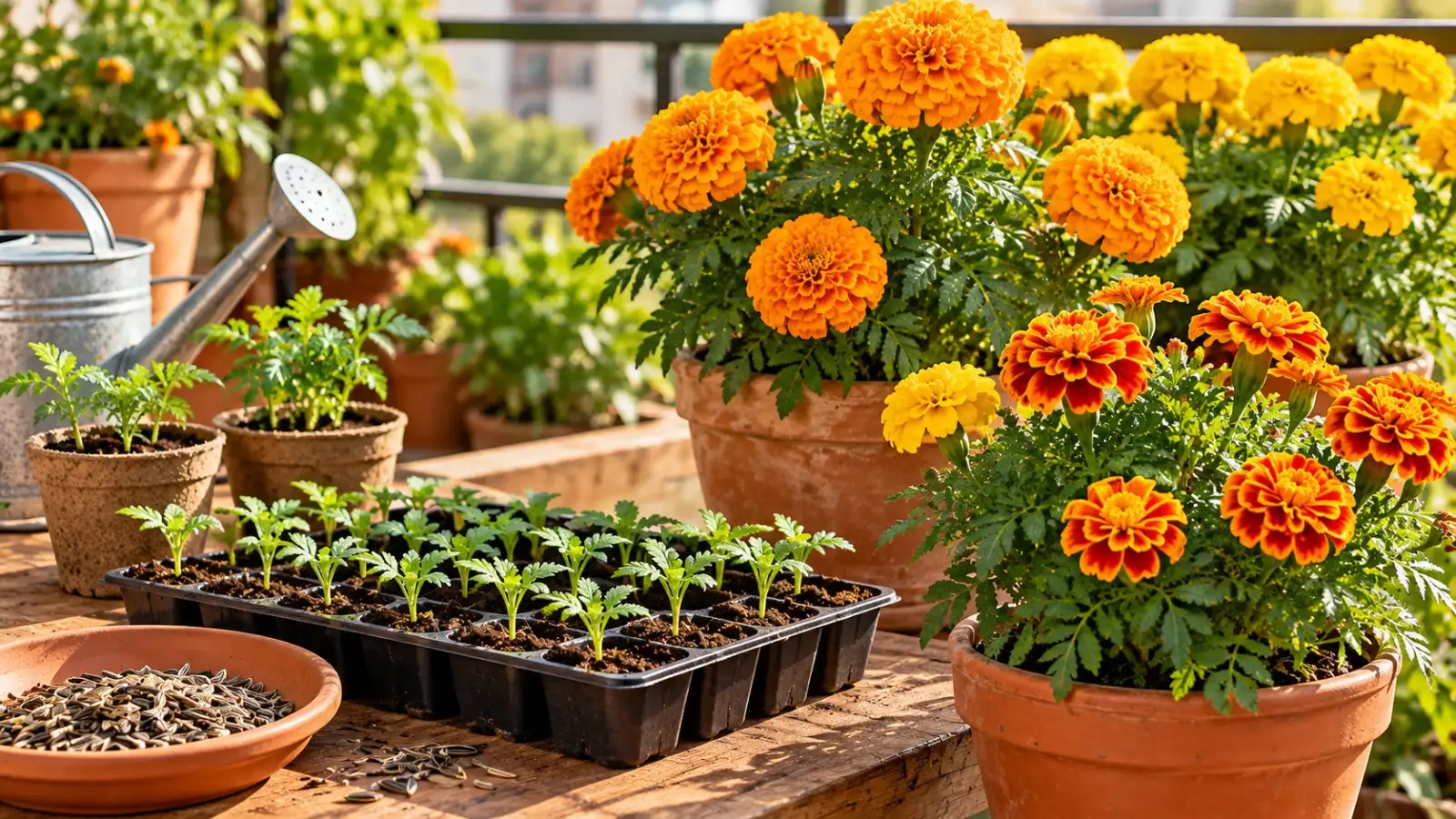
Growing marigolds from seeds is inexpensive, and a little planning can help you enjoy flowers over a longer period rather than having every plant bloom at once. The key is to choose a suitable variety, provide enough sunlight, water correctly and remove fading flowers regularly. Sowing fresh batches at intervals can also help maintain a steady supply of blooms.
African marigolds generally grow taller and produce large, rounded flowers in shades of yellow and orange. They can make an attractive centrepiece in garden beds or larger containers. French marigolds tend to be more compact, with smaller flowers and a bushier growth habit. Their size makes them useful for balcony pots, borders and smaller garden spaces.
Choose seeds according to the mature size of the plant, not just the appearance of the flowers on the packet. If you have limited space, compact varieties are often easier to manage. If you want larger blooms for decorative arrangements, taller varieties may be more suitable.
For a longer flowering display, consider growing more than one variety. Their growth habits and flowering times can differ, giving your garden a varied appearance throughout the season.
In many parts of North India, including Delhi and surrounding areas, late winter and the post-monsoon period can be suitable for sowing, provided extreme heat or cold is not expected. In regions with milder temperatures, the planting window may be broader. Very hot weather can stress young seedlings, while frost can damage established plants.
For a long flowering season, avoid sowing every seed on the same day. Instead, sow a small batch and repeat after about two to three weeks, adjusting the schedule to local weather conditions. This staggered approach helps spread flowering across a longer period.
Marigolds commonly begin flowering around two to three months after sowing, although the exact timing varies by variety and growing conditions. Check the seed packet for the expected time to maturity and work backwards from when you want the flowers to appear.
For containers, use a suitable potting mix that allows excess water to escape. A mixture of garden soil, mature compost and a material such as cocopeat can work, provided the final mix remains loose and well drained. Avoid using heavy soil that becomes compacted after watering.
Choose a pot with drainage holes. Compact French marigolds can grow well in appropriately sized balcony containers, while larger African varieties need more room for their roots and mature growth. Always check the expected size of the variety before choosing the pot.
If you are sowing directly into a garden bed, loosen the soil and remove weeds and large stones. Mix in a modest amount of mature compost if the soil needs improvement. Fresh manure and excessive fertiliser are unnecessary for starting seeds and may harm young roots.
Cover the seeds lightly with a thin layer of growing medium, following the instructions on the seed packet. They should not be buried too deeply. Water gently using a spray bottle or a fine watering rose so that the seeds remain in place.
Keep the growing medium evenly moist while the seeds germinate, but do not leave it soaked. Under suitable conditions, germination often takes around four to ten days, although some batches may take longer.
Once seedlings emerge, provide bright light. If they remain in a dim location, they may develop long, weak stems. As the seedlings grow, remove the weaker ones if they are crowded, leaving enough room for healthy plants to develop.
Water the seedlings lightly before transplanting so that the roots and growing medium are easier to handle. Lift each plant carefully, holding the root ball rather than pulling on the stem. Place it into a prepared pot or garden bed at approximately the same depth at which it was growing before.
Give the plants enough space to develop good airflow. Compact varieties need less room than tall African marigolds, so follow the spacing recommendations for your selected seeds.
Water after transplanting and protect the young plants from severe midday heat while they settle. Once established, gradually move them into their usual sunny position. Avoid disturbing the roots repeatedly, as this can slow growth and delay flowering.
A sunny balcony, terrace or open garden bed is usually a good location. If your space receives strong afternoon heat during peak summer, monitor the plants for wilting and rapidly drying soil. Some temporary protection from extreme heat may help, particularly for young plants.
Rotate containers occasionally if the plants lean towards one direction. This encourages more even growth and helps maintain an attractive shape.
Good sunlight also supports stronger stems and healthier foliage. However, light alone cannot guarantee continuous flowering. Regular watering, appropriate spacing and the removal of fading blooms all contribute to a longer display.
Check the soil before watering rather than following a rigid daily schedule. Water near the base of the plant and allow excess moisture to drain. Constantly wet soil can lead to root problems, while repeated severe drying may cause wilting and reduce flowering.
A modest application of balanced fertiliser or mature compost can support healthy growth if the growing medium is poor. Follow the product instructions and avoid overfeeding, particularly with nitrogen-rich fertilisers. Excess nitrogen can encourage leafy growth at the expense of flowers.
Healthy marigolds need a balance of nutrients rather than frequent heavy feeding. If the plants are growing well and producing buds, additional fertiliser may not be necessary.
When a healthy seedling has several sets of true leaves and is growing actively, pinch or snip off the very tip of the main stem using clean fingers or scissors. This encourages side shoots to develop, which can eventually produce additional flowering stems.
Do not pinch weak, stressed or newly transplanted seedlings. Allow them to establish first. Also check the growth habit of your chosen variety, as some compact types naturally branch well without much intervention.
Pinching can delay the first flowers slightly, but it may help create a fuller plant with more flowering branches over time. It is most useful when your priority is a bushy display rather than the earliest possible bloom.
Inspect your marigolds every few days. Use clean scissors or pinch off the fading flower head along with its short stem, cutting just above a healthy set of leaves or a side shoot.
Do not remove healthy buds or new growth while deadheading. If you want to collect seeds for the next season, leave a few healthy flower heads on the plant until they mature and dry. Collecting seeds from open-pollinated varieties can be useful, although plants grown from hybrid seeds may not resemble the parent plant.
Regular deadheading will not keep a plant flowering indefinitely, but it can extend its productive period when combined with suitable weather, sunlight and watering.
Start with your first batch, then sow another small batch two or three weeks later. Continue at suitable intervals while temperatures and growing conditions remain favourable. This creates a succession of plants, so younger ones can begin flowering as older plants produce fewer blooms.
You can also combine varieties with different growth habits. Compact French marigolds can fill the front of a container arrangement, while taller varieties provide height and larger blooms behind them.
Keep in mind that sowing intervals are a guide rather than a guarantee. Extreme heat, heavy rain, poor light or unsuitable soil can delay flowering. Adjust your schedule to local conditions and the maturity period given on the seed packet.
Insufficient sunlight can also result in fewer blooms. If your marigolds produce long stems and lots of leaves but very few flowers, check how much direct light they receive. Moving containers to a sunnier location may help.
Overcrowding limits airflow and can increase the risk of fungal problems. Thin seedlings and space mature plants according to their expected size. Avoid excessive nitrogen fertiliser, which can promote leaf growth at the expense of flowers.
Finally, do not ignore fading blooms. Removing them regularly encourages the plant to continue producing flowers rather than allowing every flower head to mature into seeds.
Growing marigolds from seeds is a straightforward way to add colour to a balcony, terrace or garden. Choose a suitable variety, sow seeds at the right time, use well-draining soil and provide generous sunlight. Once the plants are established, careful watering, moderate feeding and occasional pinching can help them develop a healthy, branching shape.
For a longer flowering season, sow fresh batches at intervals and remove spent blooms regularly. Although weather and variety affect how long individual plants flower, these simple practices can help maintain a colourful display for much of the suitable growing season.
Growing marigolds from seeds is inexpensive, and a little planning can help you enjoy flowers over a longer period rather than having every plant bloom at once. The key is to choose a suitable variety, provide enough sunlight, water correctly and remove fading flowers regularly. Sowing fresh batches at intervals can also help maintain a steady supply of blooms.
1. Choose the Right Marigold Variety
Before sowing seeds, decide which type of marigold suits your available space and gardening plans. Two popular types are African marigolds and French marigolds, both belonging to the Tagetes genus.African marigolds generally grow taller and produce large, rounded flowers in shades of yellow and orange. They can make an attractive centrepiece in garden beds or larger containers. French marigolds tend to be more compact, with smaller flowers and a bushier growth habit. Their size makes them useful for balcony pots, borders and smaller garden spaces.
Choose seeds according to the mature size of the plant, not just the appearance of the flowers on the packet. If you have limited space, compact varieties are often easier to manage. If you want larger blooms for decorative arrangements, taller varieties may be more suitable.
For a longer flowering display, consider growing more than one variety. Their growth habits and flowering times can differ, giving your garden a varied appearance throughout the season.
2. Sow Seeds at the Right Time
Marigolds prefer warm growing conditions and plenty of light. The best sowing period depends on your local climate, the variety and whether you plan to grow the plants in pots or directly in the garden.In many parts of North India, including Delhi and surrounding areas, late winter and the post-monsoon period can be suitable for sowing, provided extreme heat or cold is not expected. In regions with milder temperatures, the planting window may be broader. Very hot weather can stress young seedlings, while frost can damage established plants.
For a long flowering season, avoid sowing every seed on the same day. Instead, sow a small batch and repeat after about two to three weeks, adjusting the schedule to local weather conditions. This staggered approach helps spread flowering across a longer period.
Marigolds commonly begin flowering around two to three months after sowing, although the exact timing varies by variety and growing conditions. Check the seed packet for the expected time to maturity and work backwards from when you want the flowers to appear.
3. Prepare a Well-Draining Growing Medium
Marigolds grow best in reasonably fertile soil that drains well. Waterlogged soil can damage roots and encourage disease, so drainage is more important than using an expensive potting mix.For containers, use a suitable potting mix that allows excess water to escape. A mixture of garden soil, mature compost and a material such as cocopeat can work, provided the final mix remains loose and well drained. Avoid using heavy soil that becomes compacted after watering.
Choose a pot with drainage holes. Compact French marigolds can grow well in appropriately sized balcony containers, while larger African varieties need more room for their roots and mature growth. Always check the expected size of the variety before choosing the pot.
If you are sowing directly into a garden bed, loosen the soil and remove weeds and large stones. Mix in a modest amount of mature compost if the soil needs improvement. Fresh manure and excessive fertiliser are unnecessary for starting seeds and may harm young roots.
4. Sow the Seeds Correctly
Marigold seeds are slender and relatively easy to handle. Fill a seed tray, small pot or clean container with moist growing medium, then scatter the seeds with enough space between them to reduce overcrowding.Cover the seeds lightly with a thin layer of growing medium, following the instructions on the seed packet. They should not be buried too deeply. Water gently using a spray bottle or a fine watering rose so that the seeds remain in place.
Keep the growing medium evenly moist while the seeds germinate, but do not leave it soaked. Under suitable conditions, germination often takes around four to ten days, although some batches may take longer.
Once seedlings emerge, provide bright light. If they remain in a dim location, they may develop long, weak stems. As the seedlings grow, remove the weaker ones if they are crowded, leaving enough room for healthy plants to develop.
5. Transplant Seedlings Without Damaging Their Roots
Seedlings are usually ready to move when they have developed several true leaves and are large enough to handle safely. Depending on the variety and growing conditions, this may take around three to four weeks after sowing.Water the seedlings lightly before transplanting so that the roots and growing medium are easier to handle. Lift each plant carefully, holding the root ball rather than pulling on the stem. Place it into a prepared pot or garden bed at approximately the same depth at which it was growing before.
Give the plants enough space to develop good airflow. Compact varieties need less room than tall African marigolds, so follow the spacing recommendations for your selected seeds.
Water after transplanting and protect the young plants from severe midday heat while they settle. Once established, gradually move them into their usual sunny position. Avoid disturbing the roots repeatedly, as this can slow growth and delay flowering.
6. Provide Plenty of Sunlight
Marigolds flower best when they receive generous sunlight. Aim for around six hours of direct sun daily, or more where conditions are suitable for the variety. Plants growing in deep shade may develop plenty of foliage but produce fewer flowers and weaker stems.A sunny balcony, terrace or open garden bed is usually a good location. If your space receives strong afternoon heat during peak summer, monitor the plants for wilting and rapidly drying soil. Some temporary protection from extreme heat may help, particularly for young plants.
Rotate containers occasionally if the plants lean towards one direction. This encourages more even growth and helps maintain an attractive shape.
Good sunlight also supports stronger stems and healthier foliage. However, light alone cannot guarantee continuous flowering. Regular watering, appropriate spacing and the removal of fading blooms all contribute to a longer display.
7. Water Carefully and Feed Moderately
Water young marigolds whenever the growing medium begins to dry, adjusting the frequency according to temperature, pot size and weather. During hot periods, containers may need more frequent watering than garden beds. During rainy or cooler weather, they may need considerably less.Check the soil before watering rather than following a rigid daily schedule. Water near the base of the plant and allow excess moisture to drain. Constantly wet soil can lead to root problems, while repeated severe drying may cause wilting and reduce flowering.
A modest application of balanced fertiliser or mature compost can support healthy growth if the growing medium is poor. Follow the product instructions and avoid overfeeding, particularly with nitrogen-rich fertilisers. Excess nitrogen can encourage leafy growth at the expense of flowers.
Healthy marigolds need a balance of nutrients rather than frequent heavy feeding. If the plants are growing well and producing buds, additional fertiliser may not be necessary.
8. Pinch Young Plants to Encourage More Branches
Pinching is a useful technique for encouraging bushier marigold plants. Instead of allowing a young plant to grow mainly from one central stem, you remove the growing tip once it has established enough leaves.When a healthy seedling has several sets of true leaves and is growing actively, pinch or snip off the very tip of the main stem using clean fingers or scissors. This encourages side shoots to develop, which can eventually produce additional flowering stems.
Do not pinch weak, stressed or newly transplanted seedlings. Allow them to establish first. Also check the growth habit of your chosen variety, as some compact types naturally branch well without much intervention.
Pinching can delay the first flowers slightly, but it may help create a fuller plant with more flowering branches over time. It is most useful when your priority is a bushy display rather than the earliest possible bloom.
9. Remove Faded Flowers Regularly
Deadheading, or removing spent flowers, is one of the simplest ways to encourage continued blooming. As flowers fade, the plant may begin directing energy towards seed development. Removing old blooms before seeds mature can encourage the plant to produce additional flowers.Inspect your marigolds every few days. Use clean scissors or pinch off the fading flower head along with its short stem, cutting just above a healthy set of leaves or a side shoot.
Do not remove healthy buds or new growth while deadheading. If you want to collect seeds for the next season, leave a few healthy flower heads on the plant until they mature and dry. Collecting seeds from open-pollinated varieties can be useful, although plants grown from hybrid seeds may not resemble the parent plant.
Regular deadheading will not keep a plant flowering indefinitely, but it can extend its productive period when combined with suitable weather, sunlight and watering.
10. Sow New Batches for a Longer Flowering Season
Even well-cared-for marigold plants eventually slow down as they age or encounter unsuitable weather. The easiest way to maintain colour for longer is to grow plants at different stages of development.You may also like
- Swadesh Anniversary 2026: Ambani Women Showcase Traditional Elegance and Modern Style
- mental health: IITs Plan Dedicated Cadre for Campus
- Bigg Boss 20 Wild Card Entry: Manish Goel's Career, Popular Shows and More
- Arijit Singh's 'Phir Se' Enters Grammy Consideration Alongside Dhurandhar: The Revenge Soundtrack
- Imran Khan Detained at Mumbai CJP Protest, Kirit Somaiya Demands Investigation
Start with your first batch, then sow another small batch two or three weeks later. Continue at suitable intervals while temperatures and growing conditions remain favourable. This creates a succession of plants, so younger ones can begin flowering as older plants produce fewer blooms.
You can also combine varieties with different growth habits. Compact French marigolds can fill the front of a container arrangement, while taller varieties provide height and larger blooms behind them.
Keep in mind that sowing intervals are a guide rather than a guarantee. Extreme heat, heavy rain, poor light or unsuitable soil can delay flowering. Adjust your schedule to local conditions and the maturity period given on the seed packet.
Common Mistakes That Reduce Flowering
Overwatering is a frequent problem, particularly with marigolds grown in containers without adequate drainage. Wet roots can weaken the plant and make it more susceptible to disease. Allow excess water to escape and check the soil before watering again.Insufficient sunlight can also result in fewer blooms. If your marigolds produce long stems and lots of leaves but very few flowers, check how much direct light they receive. Moving containers to a sunnier location may help.
Overcrowding limits airflow and can increase the risk of fungal problems. Thin seedlings and space mature plants according to their expected size. Avoid excessive nitrogen fertiliser, which can promote leaf growth at the expense of flowers.
Finally, do not ignore fading blooms. Removing them regularly encourages the plant to continue producing flowers rather than allowing every flower head to mature into seeds.
Growing marigolds from seeds is a straightforward way to add colour to a balcony, terrace or garden. Choose a suitable variety, sow seeds at the right time, use well-draining soil and provide generous sunlight. Once the plants are established, careful watering, moderate feeding and occasional pinching can help them develop a healthy, branching shape.
For a longer flowering season, sow fresh batches at intervals and remove spent blooms regularly. Although weather and variety affect how long individual plants flower, these simple practices can help maintain a colourful display for much of the suitable growing season.






Loving Newspoint? Download the app now
