
How to Grow Mint at Home in Pots: A Beginner's Gardening Guide

Fresh mint can add a cooling aroma to chutneys, raita, drinks and many everyday dishes. Growing it at home makes it easier to pick a small quantity when needed, without buying a whole bunch for every recipe.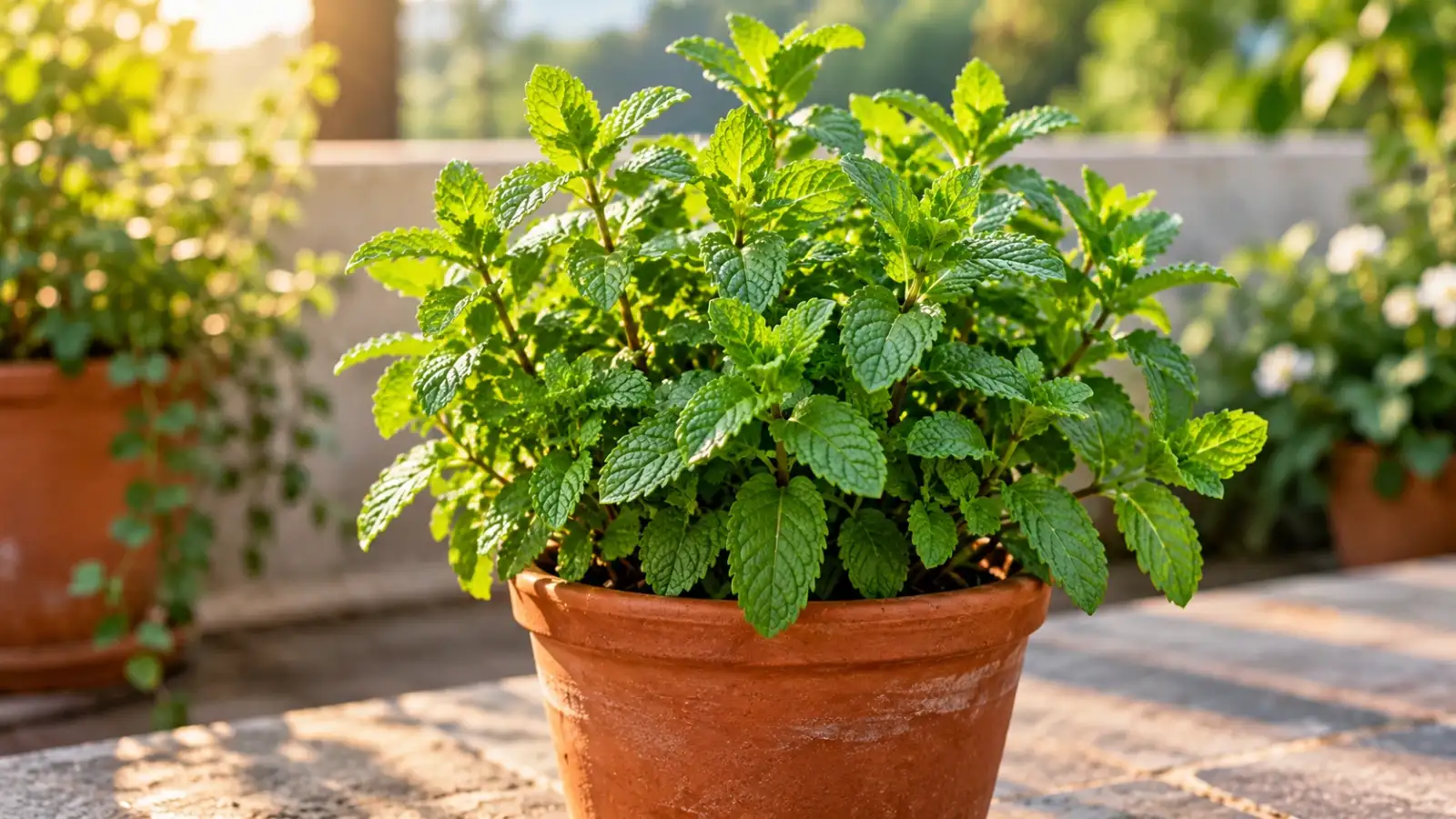
Mint is a useful choice for container gardening because it can spread vigorously under suitable conditions. Keeping it in a pot helps manage its growth and makes it easier to position the plant where it receives appropriate light.
A successful home-grown plant depends less on complicated equipment than on choosing the right container and paying attention to moisture and growth.
A medium-sized pot is a reasonable starting point for a small plant. If you intend to grow several plants, use separate containers or allow enough space for growth.
Mint spreads through underground stems, so planting it directly into a garden bed can make it difficult to contain. A pot provides a practical boundary.
If using a cutting, select a healthy, non-flowering stem and remove the leaves from the lower section. Place the stem in water until roots develop, then transfer it carefully to a potting medium.
Keep the growing medium lightly moist while the plant establishes itself. Avoid leaving the pot standing in a tray of water for long periods.
A nursery plant is another straightforward option for beginners. Choose one with healthy leaves and stems, and check the pot for signs of poor drainage or overcrowded roots.
Observe the plant after placing it in its chosen location. If the leaves appear scorched or the pot dries extremely quickly, consider moving it to a more sheltered spot.
Plants grown in deep shade may become weak or leggy, so aim for a balance between adequate light and protection from excessive heat.
Check the top layer of the growing medium regularly. If it is beginning to dry, water thoroughly and allow excess moisture to drain.
Containers may dry more quickly in hot, windy weather than during cooler periods. Adjust the frequency according to the plant's actual needs instead of following a rigid daily schedule.
Harvest small quantities at a time, using clean scissors. Avoid removing too many leaves from a young plant, as it needs foliage to continue growing.
Inspect the plant periodically for damaged leaves and unwanted pests. Remove affected material and maintain good airflow around the foliage.
Mint can be added to coriander chutney, vegetable pulao, raita, salads and homemade drinks. You can also chop the leaves and freeze small portions for later cooking.
Growing mint at home is a practical way to introduce fresh herbs into everyday meals. With a suitable pot, careful watering and regular trimming, even a small balcony can provide a convenient supply of fragrant leaves.
Mint is a useful choice for container gardening because it can spread vigorously under suitable conditions. Keeping it in a pot helps manage its growth and makes it easier to position the plant where it receives appropriate light.
A successful home-grown plant depends less on complicated equipment than on choosing the right container and paying attention to moisture and growth.
Choose a suitable container
Select a pot with drainage holes. A container that is too shallow may dry out quickly, while one that holds excess water can leave the growing medium saturated.A medium-sized pot is a reasonable starting point for a small plant. If you intend to grow several plants, use separate containers or allow enough space for growth.
Mint spreads through underground stems, so planting it directly into a garden bed can make it difficult to contain. A pot provides a practical boundary.
Plant mint using a healthy cutting
Mint can be established from nursery plants or suitable stem cuttings.If using a cutting, select a healthy, non-flowering stem and remove the leaves from the lower section. Place the stem in water until roots develop, then transfer it carefully to a potting medium.
Keep the growing medium lightly moist while the plant establishes itself. Avoid leaving the pot standing in a tray of water for long periods.
A nursery plant is another straightforward option for beginners. Choose one with healthy leaves and stems, and check the pot for signs of poor drainage or overcrowded roots.
Find the right light
Mint generally grows well in bright conditions, with some direct sunlight depending on the climate and variety. In very hot Indian summers, a position with morning sunlight and protection from harsh afternoon heat may be more suitable than an exposed terrace.Observe the plant after placing it in its chosen location. If the leaves appear scorched or the pot dries extremely quickly, consider moving it to a more sheltered spot.
Plants grown in deep shade may become weak or leggy, so aim for a balance between adequate light and protection from excessive heat.
Water carefully
Mint prefers consistently moist growing conditions, but its roots should not remain waterlogged.You may also like
- IIT Madras graduate Shreeram Gobinath and his co-founders turned a model they built in a hostel room into Modulus Housing, which has now made more than 1,500 foldable buildings that travel to remote parts of India
- Why Flight Attendants Keep Their Hands Under Their Thighs During Flights
- When the Gut Speaks Up: Understanding IBS, the Everyday Struggle Few Talk About
- Reusing Old Diyas for Diwali Puja: Traditions, Cleaning Tips and DIY Ideas
- Exploring Puducherry: 5 Lesser-Known Places Every Traveller Should Visit
Check the top layer of the growing medium regularly. If it is beginning to dry, water thoroughly and allow excess moisture to drain.
Containers may dry more quickly in hot, windy weather than during cooler periods. Adjust the frequency according to the plant's actual needs instead of following a rigid daily schedule.
Prune and harvest regularly
Once the plant has established several healthy stems, pinch or cut the growing tips to encourage branching.Harvest small quantities at a time, using clean scissors. Avoid removing too many leaves from a young plant, as it needs foliage to continue growing.
Inspect the plant periodically for damaged leaves and unwanted pests. Remove affected material and maintain good airflow around the foliage.
Use fresh mint in the kitchen
Wash harvested leaves thoroughly under running water before use.Mint can be added to coriander chutney, vegetable pulao, raita, salads and homemade drinks. You can also chop the leaves and freeze small portions for later cooking.
Growing mint at home is a practical way to introduce fresh herbs into everyday meals. With a suitable pot, careful watering and regular trimming, even a small balcony can provide a convenient supply of fragrant leaves.






Loving Newspoint? Download the app now
