
How To Care For Monstera Deliciosa Indoors Like A Pro

With its large, glossy leaves and signature natural splits, the Monstera Deliciosa has become one of the most loved indoor plants. Native to tropical rainforests, this stunning houseplant is surprisingly easy to care for when given the right conditions. Here’s everything you need to know to help your Monstera grow healthy, lush, and beautiful.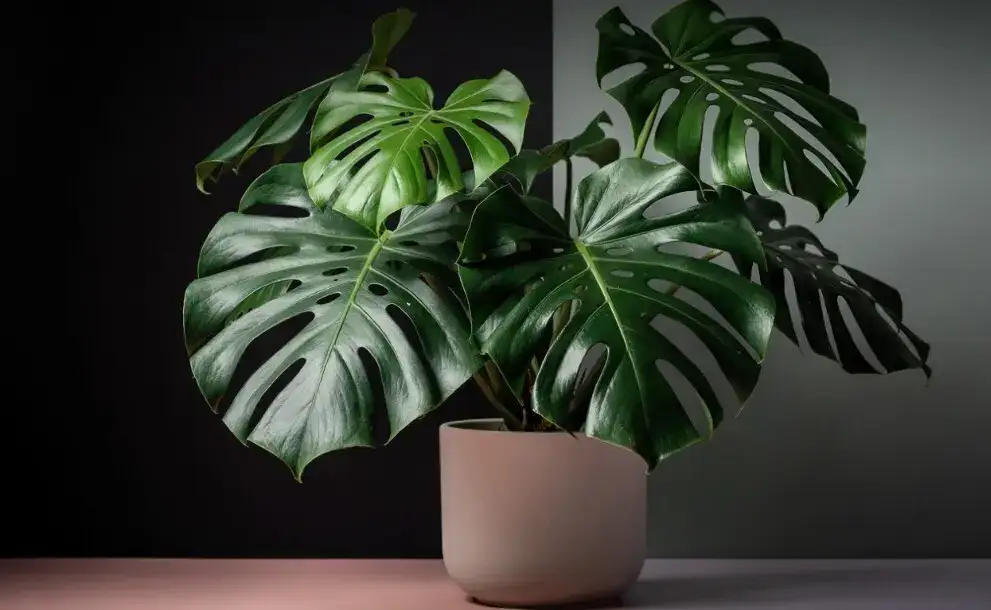
1. Give It Bright, Indirect Light
Monstera Deliciosa thrives in bright, filtered sunlight. Place it near an east- or north-facing window, or a few feet away from a south-facing window with a sheer curtain.
Avoid harsh direct sunlight, which can scorch the leaves. Too little light may slow growth and prevent the plant from developing its iconic split leaves.
2. Water Only When the Soil Dries
Monsteras prefer slightly moist soil, but they do not like soggy roots.
Check the top 2-3 inches of soil with your finger. If it feels dry, water thoroughly until excess water drains from the bottom. During winter, reduce watering frequency as growth slows down.
3. Use Well-Draining Soil
A chunky, airy potting mix works best. A blend of potting soil, perlite, coco coir, and orchid bark provides excellent drainage while retaining enough moisture.
This type of soil helps prevent root rot and encourages strong root development.
4. Maintain Warm Temperatures
Monstera Deliciosa grows best in temperatures between 18°C and 30°C.
Keep the plant away from cold drafts, air conditioners, and sudden temperature changes. Temperatures below 10°C can stress the plant.
5. Provide Moderate to High Humidity
As a tropical plant, Monstera loves humidity levels above 50%.
If your home is dry, especially during summer or winter, increase humidity by:
6. Fertilize During the Growing Season
Feed your Monstera once a month during spring and summer with a balanced liquid fertilizer diluted to half strength.
Skip fertilizing in autumn and winter when the plant naturally grows more slowly.
7. Support Its Climbing Habit
In nature, Monsteras climb trees using aerial roots. Indoors, they appreciate a moss pole or sturdy support.
Training your plant upward encourages larger leaves and a more dramatic appearance.
8. Repot Every 1-2 Years
When roots begin circling the pot or growing out of drainage holes, it’s time to repot.
Choose a container that is 2-3 inches larger in diameter than the current one. Refreshing the soil also replenishes nutrients.
9. Prune for Shape and Health
Trim yellow, damaged, or leggy stems using clean scissors.
Pruning helps maintain a tidy shape and encourages fuller growth. You can also propagate healthy stem cuttings in water or soil.
10. Watch for Common Problems
11. Keep Leaves Clean
Dust can block sunlight and reduce photosynthesis.
Wipe the leaves gently with a soft, damp cloth every few weeks to keep them glossy and healthy.
12. Is Monstera Deliciosa Toxic?
Yes, Monstera is toxic if ingested and may cause irritation in pets and humans.
Keep it out of reach of cats, dogs, and small children.
Monstera Deliciosa is a low-maintenance houseplant that rewards you with bold, tropical foliage. With bright indirect light, proper watering, and a bit of humidity, your Swiss Cheese Plant can grow into a stunning centerpiece that adds instant greenery and style to your home.
1. Give It Bright, Indirect Light
Monstera Deliciosa thrives in bright, filtered sunlight. Place it near an east- or north-facing window, or a few feet away from a south-facing window with a sheer curtain. Avoid harsh direct sunlight, which can scorch the leaves. Too little light may slow growth and prevent the plant from developing its iconic split leaves.
2. Water Only When the Soil Dries
Monsteras prefer slightly moist soil, but they do not like soggy roots. Check the top 2-3 inches of soil with your finger. If it feels dry, water thoroughly until excess water drains from the bottom. During winter, reduce watering frequency as growth slows down.
3. Use Well-Draining Soil
A chunky, airy potting mix works best. A blend of potting soil, perlite, coco coir, and orchid bark provides excellent drainage while retaining enough moisture. This type of soil helps prevent root rot and encourages strong root development.
4. Maintain Warm Temperatures
Monstera Deliciosa grows best in temperatures between 18°C and 30°C. Keep the plant away from cold drafts, air conditioners, and sudden temperature changes. Temperatures below 10°C can stress the plant.
5. Provide Moderate to High Humidity
As a tropical plant, Monstera loves humidity levels above 50%. If your home is dry, especially during summer or winter, increase humidity by:
- Using a humidifier
- Grouping plants together
- Placing a pebble tray filled with water beneath the pot
6. Fertilize During the Growing Season
Feed your Monstera once a month during spring and summer with a balanced liquid fertilizer diluted to half strength. Skip fertilizing in autumn and winter when the plant naturally grows more slowly.
7. Support Its Climbing Habit
In nature, Monsteras climb trees using aerial roots. Indoors, they appreciate a moss pole or sturdy support. Training your plant upward encourages larger leaves and a more dramatic appearance.
8. Repot Every 1-2 Years
When roots begin circling the pot or growing out of drainage holes, it’s time to repot. Choose a container that is 2-3 inches larger in diameter than the current one. Refreshing the soil also replenishes nutrients.
9. Prune for Shape and Health
Trim yellow, damaged, or leggy stems using clean scissors. Pruning helps maintain a tidy shape and encourages fuller growth. You can also propagate healthy stem cuttings in water or soil.
10. Watch for Common Problems
- Yellow Leaves: Usually caused by overwatering.
- Brown Leaf Edges: Often a sign of low humidity or inconsistent watering.
- Drooping Leaves: May indicate underwatering, overwatering, or lack of light.
- No Leaf Splits: Typically due to insufficient light or a young plant.
11. Keep Leaves Clean
Dust can block sunlight and reduce photosynthesis.Wipe the leaves gently with a soft, damp cloth every few weeks to keep them glossy and healthy.
12. Is Monstera Deliciosa Toxic?
Yes, Monstera is toxic if ingested and may cause irritation in pets and humans. Keep it out of reach of cats, dogs, and small children.
Monstera Deliciosa is a low-maintenance houseplant that rewards you with bold, tropical foliage. With bright indirect light, proper watering, and a bit of humidity, your Swiss Cheese Plant can grow into a stunning centerpiece that adds instant greenery and style to your home.
Next Story