
How to Grow Nasturtiums Indoors: Simple Tips for Colorful Home Gardening

If you’re searching for a bright and low-maintenance plant to uplift your indoor space, nasturtiums are a perfect choice.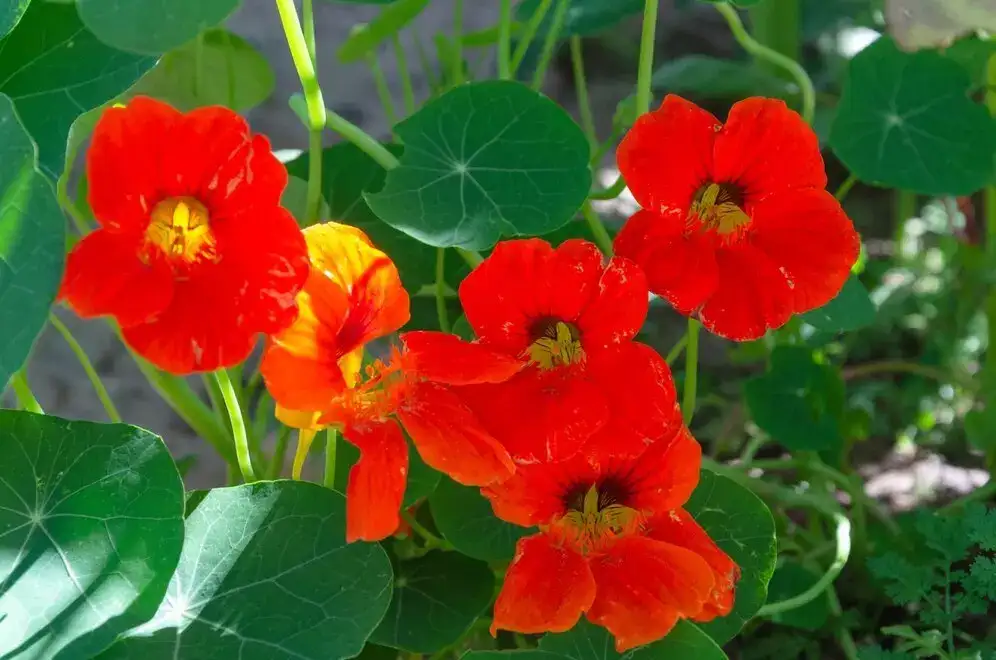
These cheerful plants not only offer eye-catching blooms but also have edible leaves and flowers, making them both decorative and useful.
Growing nasturtiums indoors is easier than you might think. With just a few simple tips, you can enjoy a splash of color on your windowsill or balcony all year round.
1. Choose the Right Container
Picking the correct pot is key for healthy nasturtium growth indoors.
Opt for containers that have proper drainage holes to prevent water from accumulating and damaging the roots.
A pot around 6 to 8 inches wide is ideal for one plant.
Terracotta pots are recommended since their breathable material helps regulate soil moisture effectively.
2. Use Well-Draining Soil
Nasturtiums thrive best in moderately fertile, well-draining soil.
Mix regular potting mix with sand or perlite to improve drainage.
Avoid nutrient-rich soil, as it promotes too much leafy growth at the expense of flowers.
Aim for a soil pH between 6.0 and 7.0—slightly acidic to neutral.
3. Provide Bright Light
These plants love sunlight. Place them near a south-facing window to ensure they receive at least six hours of light daily.
They can tolerate partial shade but will flower more in brighter conditions.
If sunlight is limited, especially during winter, consider using LED grow lights to maintain healthy growth.
4. Water Carefully
Watering nasturtiums the right way is crucial.
Allow the top inch of soil to dry out before watering again. Overwatering can lead to root rot.
In warmer months or when placed in bright light, watering may be needed more often.
Adjust frequency based on the environment and season.
5. Watch for Pests Indoors
Though indoor settings are generally safer from pests, aphids can occasionally appear on nasturtiums.
Check leaves regularly for yellowing or sticky residue.
If you notice pests, treat them with neem oil or insecticidal soap to avoid larger infestations.
Growing nasturtiums indoors is a rewarding experience that combines beauty and utility.
By choosing the right pot, maintaining good soil, providing adequate light, and watching for pests, you can enjoy blooming nasturtiums throughout the year—even from the comfort of your living room.
These cheerful plants not only offer eye-catching blooms but also have edible leaves and flowers, making them both decorative and useful.
Growing nasturtiums indoors is easier than you might think. With just a few simple tips, you can enjoy a splash of color on your windowsill or balcony all year round.
1. Choose the Right Container
Picking the correct pot is key for healthy nasturtium growth indoors.
Opt for containers that have proper drainage holes to prevent water from accumulating and damaging the roots.
A pot around 6 to 8 inches wide is ideal for one plant.
Terracotta pots are recommended since their breathable material helps regulate soil moisture effectively.
2. Use Well-Draining Soil
Nasturtiums thrive best in moderately fertile, well-draining soil.
Mix regular potting mix with sand or perlite to improve drainage.
Avoid nutrient-rich soil, as it promotes too much leafy growth at the expense of flowers.
Aim for a soil pH between 6.0 and 7.0—slightly acidic to neutral.
3. Provide Bright Light
These plants love sunlight. Place them near a south-facing window to ensure they receive at least six hours of light daily.
They can tolerate partial shade but will flower more in brighter conditions.
If sunlight is limited, especially during winter, consider using LED grow lights to maintain healthy growth.
4. Water Carefully
Watering nasturtiums the right way is crucial.
Allow the top inch of soil to dry out before watering again. Overwatering can lead to root rot.
In warmer months or when placed in bright light, watering may be needed more often.
Adjust frequency based on the environment and season.
5. Watch for Pests Indoors
Though indoor settings are generally safer from pests, aphids can occasionally appear on nasturtiums.
Check leaves regularly for yellowing or sticky residue.
If you notice pests, treat them with neem oil or insecticidal soap to avoid larger infestations.
Growing nasturtiums indoors is a rewarding experience that combines beauty and utility.
By choosing the right pot, maintaining good soil, providing adequate light, and watching for pests, you can enjoy blooming nasturtiums throughout the year—even from the comfort of your living room.
Next Story