
How to Grow Pomegranates at Home in Pots: Easy Tips for Juicy Fruits in Small Spaces

How to grow pomegranates at home in pots is a question many urban gardeners ask, especially when space is limited. The good news is that you don’t need a big garden to enjoy fresh, juicy pomegranates. With the right approach, even a small balcony or terrace can turn into a fruitful mini garden.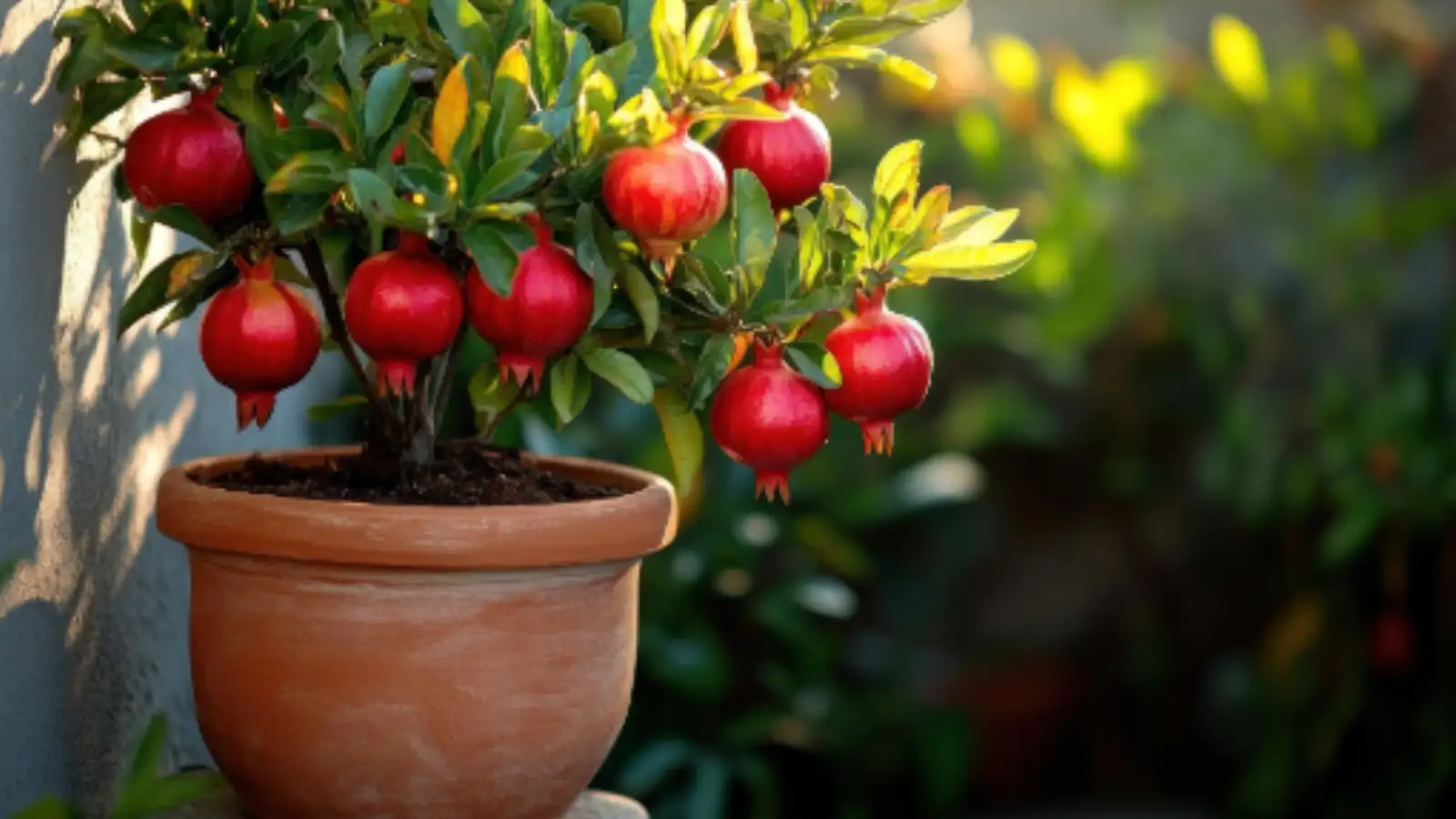
Why Pomegranates Are Perfect for Container Gardening
Pomegranate plants are surprisingly adaptable and thrive well in pots when given proper care. They are low-maintenance, resilient, and can produce delicious fruits even in compact spaces. This makes them an excellent choice for city dwellers looking to grow their own produce.
Choose the Right Pomegranate Plant
Selecting the right plant is the foundation of successful growth. Always go for a healthy, grafted plant from a reliable nursery, as it starts fruiting much earlier than seed-grown plants.
For small spaces, dwarf varieties are the best choice:
These varieties are compact, easy to maintain, and well-suited for container gardening.
Pick the Ideal Pot for Healthy Growth
The size and type of pot play a crucial role in plant development. A container that is too small can restrict root growth and affect fruiting.
Keep these points in mind:
Good drainage prevents water accumulation, which can otherwise damage the roots.
Prepare the Perfect Soil Mix
Healthy soil is essential for strong plant growth and fruit production. The ideal mix should balance drainage and moisture retention.
A simple and effective combination includes:
Mix all components in equal parts. This ensures the roots get enough nutrients while avoiding waterlogging.
Planting the Pomegranate Correctly
Proper planting helps the plant settle quickly and grow steadily. Start by placing small stones at the base of the pot to keep drainage holes clear.
Fill the pot halfway with soil, position the plant in the centre, and gently add the remaining soil. Avoid pressing too hard, as roots need space to breathe. Water thoroughly after planting to help the roots establish.
Ensure Adequate Sunlight
Pomegranate plants love sunlight and require it for healthy growth and fruiting. Place your pot in a location that receives at least 6–8 hours of direct sunlight daily.
A balcony or terrace with good sun exposure works best. Rotating the pot occasionally ensures even growth on all sides.
Watering: Find the Right Balance
Watering needs to be done carefully, as both overwatering and underwatering can harm the plant.
Maintaining the right moisture level during flowering and fruiting stages leads to better-quality fruits.
Feed Your Plant for Better Yield
Regular feeding keeps the plant healthy and boosts fruit production. Use organic compost or a balanced fertiliser every three to four weeks.
Avoid excessive nitrogen, as it encourages leaf growth rather than fruiting. A balanced approach ensures strong branches and more flowers.
Pruning and Pest Care
Routine care helps maintain plant health and productivity. Trim dry or weak branches to encourage new growth. Keep an eye out for common pests like aphids and mealybugs. If needed, use natural remedies or mild treatments to protect the plant without harming it.
Growing pomegranates at home in pots is easier than it seems. With the right plant, proper sunlight, balanced watering, and regular care, you can enjoy fresh, juicy fruits even in a small space. A little effort goes a long way in turning your home into a thriving fruit garden.
Why Pomegranates Are Perfect for Container Gardening
Pomegranate plants are surprisingly adaptable and thrive well in pots when given proper care. They are low-maintenance, resilient, and can produce delicious fruits even in compact spaces. This makes them an excellent choice for city dwellers looking to grow their own produce.
Choose the Right Pomegranate Plant
Selecting the right plant is the foundation of successful growth. Always go for a healthy, grafted plant from a reliable nursery, as it starts fruiting much earlier than seed-grown plants.
For small spaces, dwarf varieties are the best choice:
- ‘Bhagwa’
- ‘Ganesh’
These varieties are compact, easy to maintain, and well-suited for container gardening.
Pick the Ideal Pot for Healthy Growth
The size and type of pot play a crucial role in plant development. A container that is too small can restrict root growth and affect fruiting.
Keep these points in mind:
- Choose a pot that is 16–20 inches deep and wide
- Ensure proper drainage holes at the bottom
- Use materials like clay, ceramic, or sturdy plastic
Good drainage prevents water accumulation, which can otherwise damage the roots.
Prepare the Perfect Soil Mix
Healthy soil is essential for strong plant growth and fruit production. The ideal mix should balance drainage and moisture retention.
A simple and effective combination includes:
- Garden soil
- Organic compost
- Sand or cocopeat
Mix all components in equal parts. This ensures the roots get enough nutrients while avoiding waterlogging.
Planting the Pomegranate Correctly
Proper planting helps the plant settle quickly and grow steadily. Start by placing small stones at the base of the pot to keep drainage holes clear.
Fill the pot halfway with soil, position the plant in the centre, and gently add the remaining soil. Avoid pressing too hard, as roots need space to breathe. Water thoroughly after planting to help the roots establish.
Ensure Adequate Sunlight
Pomegranate plants love sunlight and require it for healthy growth and fruiting. Place your pot in a location that receives at least 6–8 hours of direct sunlight daily.
A balcony or terrace with good sun exposure works best. Rotating the pot occasionally ensures even growth on all sides.
Watering: Find the Right Balance
Watering needs to be done carefully, as both overwatering and underwatering can harm the plant.
- Water only when the top inch of soil feels dry
- Increase frequency during hot weather
- Reduce watering during the rainy season
Maintaining the right moisture level during flowering and fruiting stages leads to better-quality fruits.
Feed Your Plant for Better Yield
Regular feeding keeps the plant healthy and boosts fruit production. Use organic compost or a balanced fertiliser every three to four weeks.
Avoid excessive nitrogen, as it encourages leaf growth rather than fruiting. A balanced approach ensures strong branches and more flowers.
Pruning and Pest Care
Routine care helps maintain plant health and productivity. Trim dry or weak branches to encourage new growth. Keep an eye out for common pests like aphids and mealybugs. If needed, use natural remedies or mild treatments to protect the plant without harming it.
Growing pomegranates at home in pots is easier than it seems. With the right plant, proper sunlight, balanced watering, and regular care, you can enjoy fresh, juicy fruits even in a small space. A little effort goes a long way in turning your home into a thriving fruit garden.
Next Story