
Snake Plant Care: How to Grow This Indoor Plant at Home

With its upright leaves and distinctive patterns, the snake plant is a popular choice for homes, offices and balconies. Its architectural appearance makes it suitable for different interior styles, while its ability to tolerate lower-light conditions gives it an advantage in spaces that do not receive strong sunlight.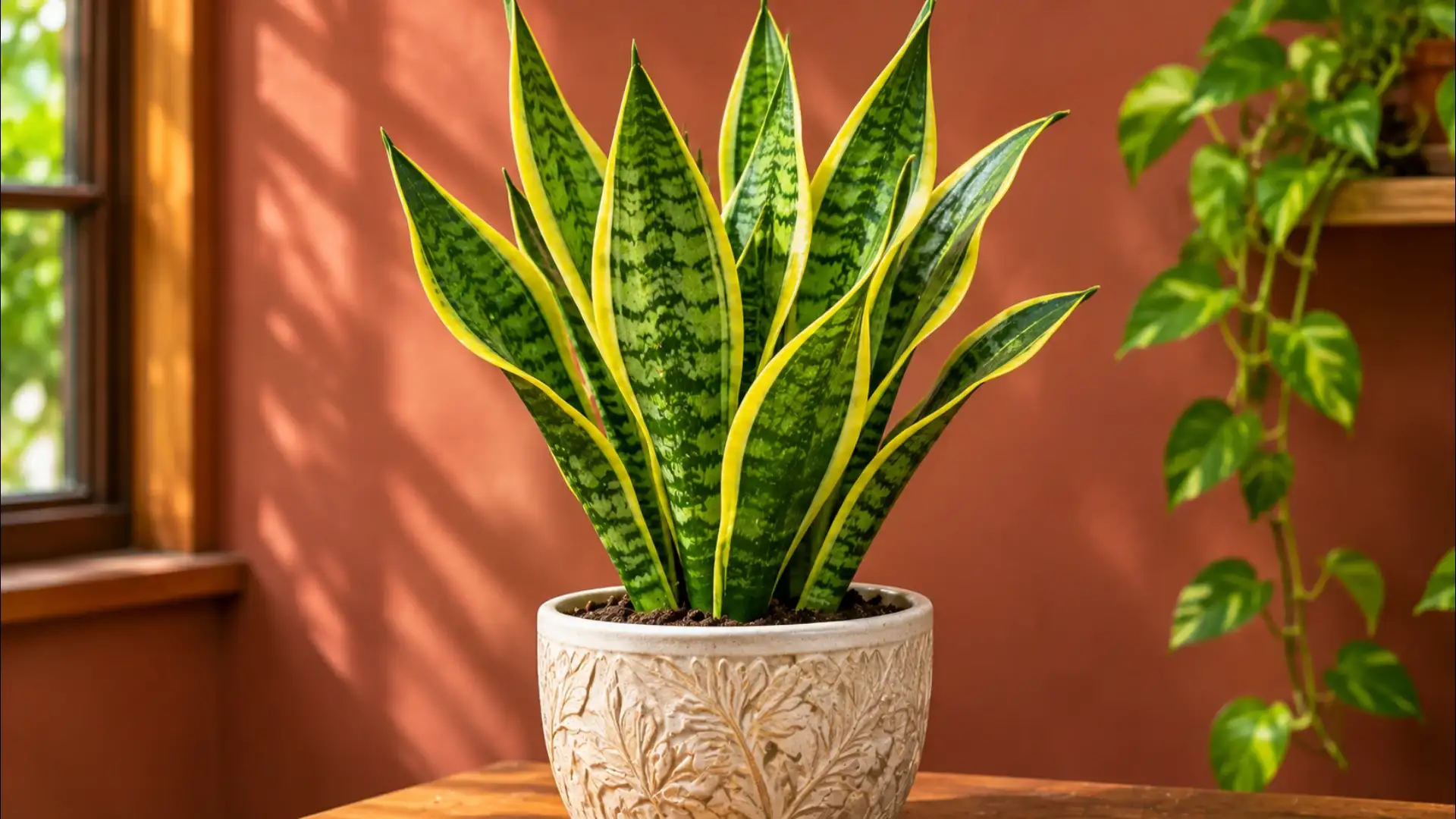
Known botanically as Dracaena trifasciata , the plant was previously classified as Sansevieria trifasciata. It is native to central Africa and grows in clumps with firm, upright foliage.
Terracotta pots are a practical option because they allow moisture to evaporate through their sides. A plastic or ceramic pot can also work, provided the soil drains properly.
When repotting, select a container only slightly larger than the existing one. An oversized pot can hold excess moisture for longer than the roots need.
Avoid compact garden soil that becomes dense inside containers. If using a regular potting mix, adding coarse sand or another suitable drainage material can improve its texture.
Avoid placing a plant that has been growing indoors directly under intense afternoon sunlight without allowing it time to adjust. Sudden changes in light exposure can affect its leaves.
A corner near a bright window can work well, provided the plant receives enough natural light to support steady growth.
Check the soil before adding water. Allow it to dry between watering sessions, and make sure the container does not remain filled with water in its saucer.
The frequency will depend on the room temperature, light and potting mixture. During cooler or less active growing periods, the soil may take longer to dry.
Remove damaged leaves with clean cutting tools. Wipe dust from the foliage occasionally with a soft, damp cloth to keep the leaves looking neat.
Snake plants are a useful option for people who want an indoor plant with a strong visual form and relatively simple care requirements. Consistent light, suitable soil and careful watering are the main factors that help maintain healthy growth.
Known botanically as Dracaena trifasciata , the plant was previously classified as Sansevieria trifasciata. It is native to central Africa and grows in clumps with firm, upright foliage.
Choose the Right Pot
A snake plant does not need an unusually large container. Choose a sturdy pot with drainage holes at the bottom so that excess water can escape.Terracotta pots are a practical option because they allow moisture to evaporate through their sides. A plastic or ceramic pot can also work, provided the soil drains properly.
When repotting, select a container only slightly larger than the existing one. An oversized pot can hold excess moisture for longer than the roots need.
Use Well-Drained Soil
The plant grows best in a loose potting mixture that does not remain waterlogged. A cactus or succulent potting mix is a suitable option because it allows water to drain more easily.Avoid compact garden soil that becomes dense inside containers. If using a regular potting mix, adding coarse sand or another suitable drainage material can improve its texture.
Find a Suitable Spot
Snake plants tolerate lower-light conditions, but they can also grow in brighter locations. A position with indirect light or a few hours of gentle sunlight is generally suitable.Avoid placing a plant that has been growing indoors directly under intense afternoon sunlight without allowing it time to adjust. Sudden changes in light exposure can affect its leaves.
You may also like
- Essential Vitamins for Healthy Hair During Winter
- Enhancing Your Home's Energy: Vastu Tips for Main Entrance Curtains
- Winter pollution making your eyes itchy, red and watery? Doctor explains symptoms, risks and prevention tips
- The Importance of Allowing Children to Face Disappointment
- Unlock Radiant Skin with Gram Flour and Turmeric Ubtan
A corner near a bright window can work well, provided the plant receives enough natural light to support steady growth.
Water Carefully
Overwatering is one of the most common mistakes in snake plant care . The plant has thick leaves that store moisture, so it does not require frequent watering.Check the soil before adding water. Allow it to dry between watering sessions, and make sure the container does not remain filled with water in its saucer.
The frequency will depend on the room temperature, light and potting mixture. During cooler or less active growing periods, the soil may take longer to dry.
Propagation and Maintenance
Snake plants can be propagated by dividing established clumps. When repotting, separate a section that has its own roots and plant it in a suitable container.Remove damaged leaves with clean cutting tools. Wipe dust from the foliage occasionally with a soft, damp cloth to keep the leaves looking neat.
Snake plants are a useful option for people who want an indoor plant with a strong visual form and relatively simple care requirements. Consistent light, suitable soil and careful watering are the main factors that help maintain healthy growth.






Loving Newspoint? Download the app now
