
How to Handle Separation Anxiety in Dogs and Help Your Pet Feel Safe When Left Alone

Dogs are social animals that naturally form strong emotional bonds with their owners. While attachment is healthy, some dogs struggle to cope when left alone for even short periods. This condition, known as separation anxiety in dogs , can affect emotional wellbeing and lead to behavioural problems if ignored.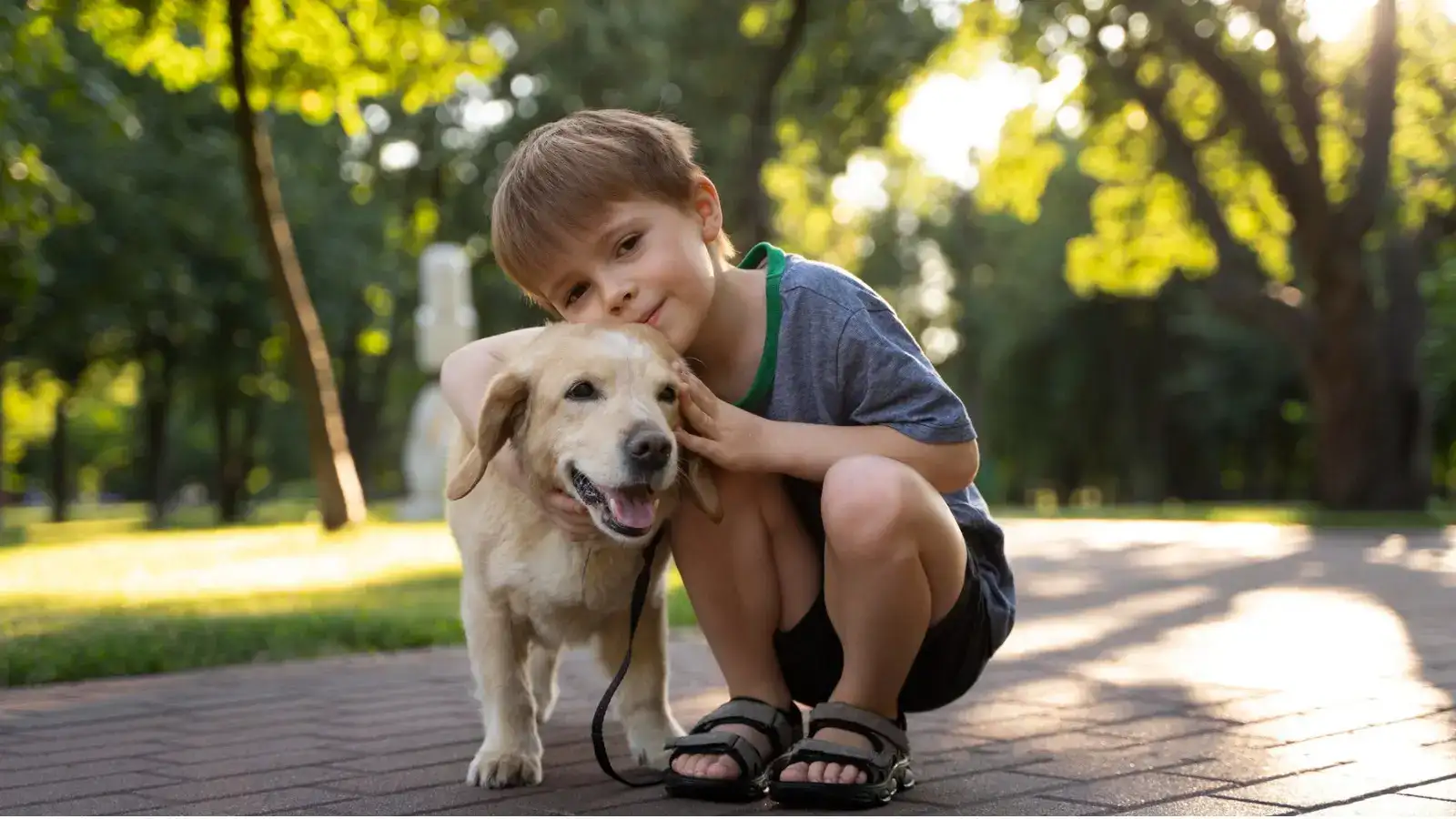
Many pet owners mistake anxious behaviour for stubbornness or poor training. However, separation anxiety is often rooted in fear, insecurity or sudden routine changes. Dogs experiencing anxiety may bark excessively, damage furniture, scratch doors or display signs of panic after their owners leave home.
Understanding the causes and learning how to respond calmly can help reduce stress and improve a dog’s emotional confidence over time. With patience and consistency, most dogs can gradually learn to feel safer when alone.
One of the most common dog anxiety symptoms is excessive barking or whining immediately after the owner leaves. Some dogs may pace constantly, drool excessively or attempt to escape confined spaces. Others may chew furniture, tear cushions or scratch at doors and windows.
Toileting accidents inside the home, even in previously trained dogs, may also signal emotional distress. In severe cases, anxious dogs may refuse food or display trembling and restlessness before their owners even leave the house.
Understanding these warning signs helps pet owners respond with empathy instead of punishment.
Dogs adopted from shelters or rescue environments may also be more vulnerable due to past abandonment or trauma. Puppies that were never gradually trained to stay alone can struggle to develop independence later.
Even highly affectionate dogs can become overly dependent if they are constantly surrounded by attention without learning how to self-soothe.
Leaving the house at random times for short durations may teach dogs that departures are temporary and not something to fear. Calm departures and arrivals are equally important. Overly emotional greetings can unintentionally reinforce anxious behaviour.
Instead of making leaving the house dramatic, pet owners should aim to normalise short separations gradually. Predictability helps anxious dogs feel safer and more emotionally balanced.
Regular walks, active play sessions and mental stimulation before departure can help dogs feel calmer and more relaxed afterwards. Interactive toys, food puzzles and chew items may also keep dogs occupied during alone time.
Mental stimulation is especially important because boredom can intensify anxious behaviour. Dogs that remain engaged are less likely to focus entirely on their owner’s absence.
Shouting or scolding can increase insecurity and damage trust between dogs and owners. Instead, positive reinforcement techniques are generally considered more effective for building confidence and encouraging calm behaviour.
Rewarding dogs when they remain relaxed during short absences can gradually help create positive associations with being alone.
Many trainers recommend starting with very short separations, sometimes lasting only a few minutes, before slowly increasing the duration. Returning home calmly without excessive excitement also teaches dogs that departures and reunions are normal parts of daily life.
Creating a comfortable safe space with familiar bedding, toys and calming sounds may help reduce stress during training sessions.
In certain cases, anxiety may be linked to medical conditions or deeper behavioural challenges. Professional guidance can help identify personalised treatment strategies suited to the dog’s emotional needs.
Early intervention is often more effective than waiting for anxiety patterns to become deeply established.
Building confidence gradually through routine, exercise and positive reinforcement can help anxious dogs feel more secure when separated from their owners. Small improvements should be recognised and encouraged rather than expecting immediate changes.
A calm environment, emotional reassurance and patient training can make a significant difference in helping dogs develop healthier coping habits. By understanding their pet’s emotional needs, owners can create stronger bonds and support long-term emotional wellbeing naturally.
Many pet owners mistake anxious behaviour for stubbornness or poor training. However, separation anxiety is often rooted in fear, insecurity or sudden routine changes. Dogs experiencing anxiety may bark excessively, damage furniture, scratch doors or display signs of panic after their owners leave home.
Understanding the causes and learning how to respond calmly can help reduce stress and improve a dog’s emotional confidence over time. With patience and consistency, most dogs can gradually learn to feel safer when alone.
Common Signs of Separation Anxiety in Dogs
Recognising the early signs of anxiety is important for preventing the condition from worsening. Dogs communicate emotional stress through behaviour, body language and vocal sounds.One of the most common dog anxiety symptoms is excessive barking or whining immediately after the owner leaves. Some dogs may pace constantly, drool excessively or attempt to escape confined spaces. Others may chew furniture, tear cushions or scratch at doors and windows.
Toileting accidents inside the home, even in previously trained dogs, may also signal emotional distress. In severe cases, anxious dogs may refuse food or display trembling and restlessness before their owners even leave the house.
Understanding these warning signs helps pet owners respond with empathy instead of punishment.
Sudden Changes Can Trigger Anxiety
Separation anxiety often develops after major life changes or disruptions in routine. Moving to a new home, changes in work schedules, the arrival of a new pet or family member, or long periods of constant companionship can sometimes contribute to emotional insecurity.Dogs adopted from shelters or rescue environments may also be more vulnerable due to past abandonment or trauma. Puppies that were never gradually trained to stay alone can struggle to develop independence later.
Even highly affectionate dogs can become overly dependent if they are constantly surrounded by attention without learning how to self-soothe.
Create a Calm and Predictable Routine
Dogs feel more secure when they can predict daily activities. Creating a consistent routine for feeding, walks, playtime and rest can help reduce anxiety levels significantly.Leaving the house at random times for short durations may teach dogs that departures are temporary and not something to fear. Calm departures and arrivals are equally important. Overly emotional greetings can unintentionally reinforce anxious behaviour.
Instead of making leaving the house dramatic, pet owners should aim to normalise short separations gradually. Predictability helps anxious dogs feel safer and more emotionally balanced.
Exercise Helps Reduce Stress and Excess Energy
Physical activity plays an important role in managing dog behaviour problems linked to anxiety. Dogs with excess energy are often more likely to become restless or destructive when left alone.Regular walks, active play sessions and mental stimulation before departure can help dogs feel calmer and more relaxed afterwards. Interactive toys, food puzzles and chew items may also keep dogs occupied during alone time.
Mental stimulation is especially important because boredom can intensify anxious behaviour. Dogs that remain engaged are less likely to focus entirely on their owner’s absence.
Avoid Punishment for Anxious Behaviour
Punishing dogs for barking, chewing or accidents caused by anxiety may worsen the situation. Fear-based reactions are not acts of disobedience but signs of emotional distress.Shouting or scolding can increase insecurity and damage trust between dogs and owners. Instead, positive reinforcement techniques are generally considered more effective for building confidence and encouraging calm behaviour.
Rewarding dogs when they remain relaxed during short absences can gradually help create positive associations with being alone.
Gradual Training Builds Independence
Helping dogs overcome separation anxiety requires patience and gradual training. Leaving a dog alone for long hours immediately may increase fear rather than improve tolerance.Many trainers recommend starting with very short separations, sometimes lasting only a few minutes, before slowly increasing the duration. Returning home calmly without excessive excitement also teaches dogs that departures and reunions are normal parts of daily life.
Creating a comfortable safe space with familiar bedding, toys and calming sounds may help reduce stress during training sessions.
Recognising Severe Anxiety Cases
Some dogs experience intense separation anxiety that may require professional support. If a dog harms itself, shows extreme panic or fails to improve despite training, consulting a qualified veterinarian or canine behaviour specialist may be necessary.In certain cases, anxiety may be linked to medical conditions or deeper behavioural challenges. Professional guidance can help identify personalised treatment strategies suited to the dog’s emotional needs.
Early intervention is often more effective than waiting for anxiety patterns to become deeply established.
Patience and Emotional Support Matter Most
Learning how to calm anxious dogs takes time, consistency and understanding. Every dog responds differently depending on personality, past experiences and emotional sensitivity.Building confidence gradually through routine, exercise and positive reinforcement can help anxious dogs feel more secure when separated from their owners. Small improvements should be recognised and encouraged rather than expecting immediate changes.
A calm environment, emotional reassurance and patient training can make a significant difference in helping dogs develop healthier coping habits. By understanding their pet’s emotional needs, owners can create stronger bonds and support long-term emotional wellbeing naturally.






More from our partners


Loving Newspoint? Download the app now
